
Beautiful Plants For Your Interior
Beautiful Plants For Your Interior
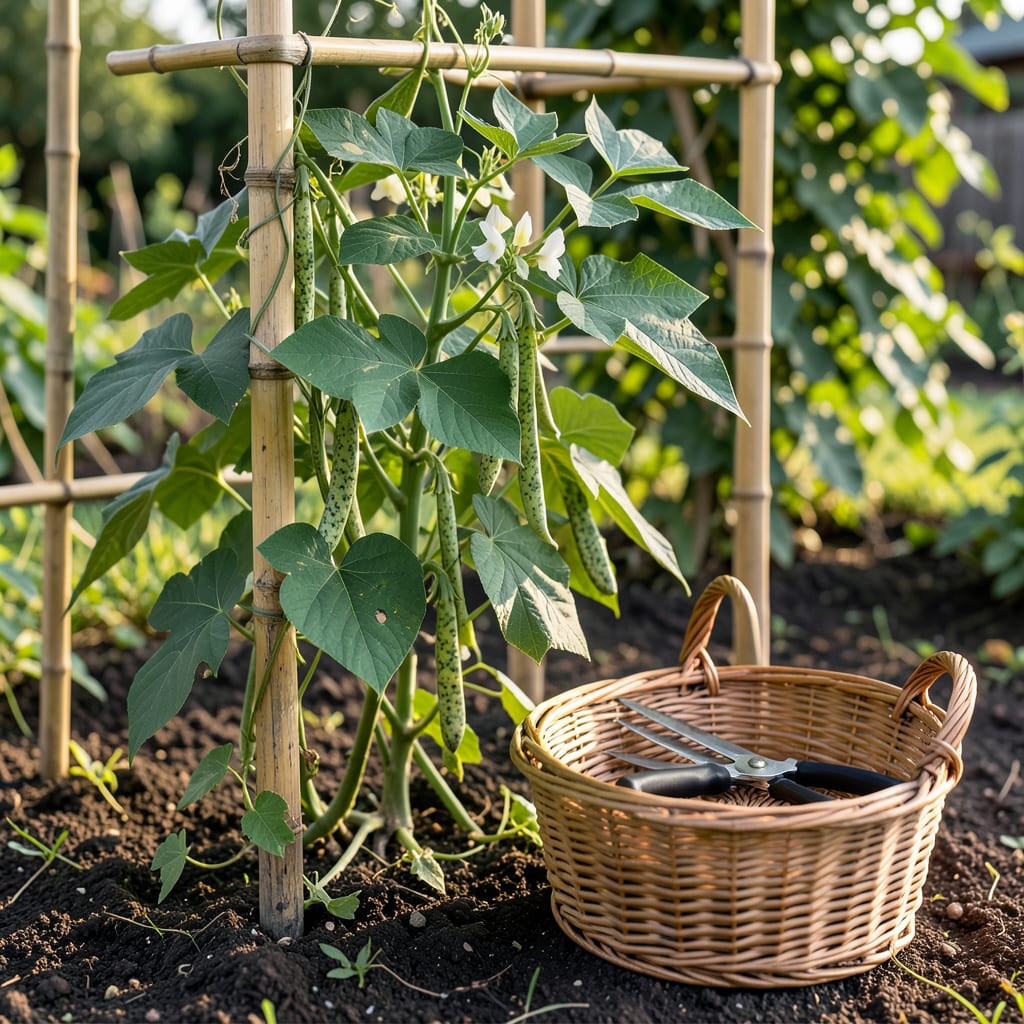
Timing your Pinto Bean 🌱 harvest perfectly can make or break your crop. Picking at the right moment ensures the best flavor and seed quality for your efforts.
From pod dryness to seed hardness, I’ll show you the key signs to watch for. Let’s make sure your harvest is a success this season.


Harvesting Pinto Beans at the right time ensures maximum flavor and seed viability. The key is watching for visual and tactile cues that signal maturity.
I look for pod color changes first—when they shift from bright green to pale yellow or tan, it’s a strong indicator. This happens as the beans inside mature and dry out.
| Sign | Description |
|---|---|
| Pod Color | Turns pale yellow or tan |
| Dryness | Crisp and brittle to touch |
| Seed Hardness | Hard and firm when pressed |
| Rattling Sound | Beans rattle inside dry pods |
The dryness test is another reliable method. When pods feel crisp and brittle, they’re likely ready. I gently press the pods—if they resist and feel hard, the beans inside are mature.
A rattling sound when you shake the pods confirms the seeds are fully dry. This means they’ve reached the ideal stage for harvesting and storing.
For shelling beans, pick when pods are plump and green but beans inside are visible as bumps. This is the perfect time for fresh use rather than drying.
If pods are still soft and green, the seeds aren’t ready. Wait until they lose moisture and take on a dull finish.
Check the beans inside by splitting a pod. If the seeds are firm and uniform in color, they’re ready. If they’re soft or discolored, give them more time.
Harvest in the morning after dew dries for the best results. This prevents moisture damage and ensures the pods are at their driest.
Store harvested beans in a cool, dry place to maintain quality. Properly dried beans can last up to a year without losing flavor or viability.
Harvesting Pinto Beans at the perfect stage ensures the best texture and flavor. I always start by checking the pod dryness and seed hardness before picking.
Timing matters too—morning harvests after dew dries are ideal. This prevents moisture damage and keeps the pods at their driest for storage.
The right tools make harvesting easier. I recommend sharp scissors or pruning shears to snip pods cleanly without harming the vines.
After picking, spread the pods in a single layer in a well-ventilated area. This ensures even drying and prevents mold growth.
For shelling beans, pick when pods are plump and green but seeds are visible. These are perfect for fresh use rather than long-term storage.
Store fully dried beans in airtight containers in a cool, dark place. This preserves their quality for up to a year. ✂️
Harvesting Pinto Beans at the wrong time can ruin your hard work. I’ve seen gardeners lose entire crops by picking too early or waiting too long.
One common mistake is harvesting when pods are still bright green and soft. This means the beans inside aren’t mature enough for storage or optimal flavor.
⚠️ Avoid These Harvesting Pitfalls
Picking too early leads to underdeveloped seeds that won’t store well.
Waiting too long risks pod splitting and seed loss from weather.
Improper drying methods can cause mold growth or uneven moisture.
Another error is ignoring the rattling sound test. If you don’t hear beans moving inside dry pods, they’re not ready for harvest.
Mishandling pods during picking can also damage the seed quality. Always use sharp tools and avoid crushing the pods.
Finally, skipping the morning harvest can introduce excess moisture. Dew or rain can compromise the drying process and lead to spoilage. ☀️
Pods should feel crisp and brittle when pressed. A sure sign is hearing the beans rattle inside when shaken.
Look for a shift from bright green to pale yellow or tan. This color change signals the beans inside are mature and ready.
Yes, but only if you plan to use them fresh as shelling beans. For storage, wait until pods are fully dry and beans are hard.
Overripe pods may split open, causing seed loss from weather or pests. Harvest promptly once pods turn tan or yellow.
