
Beautiful Plants For Your Interior
Beautiful Plants For Your Interior
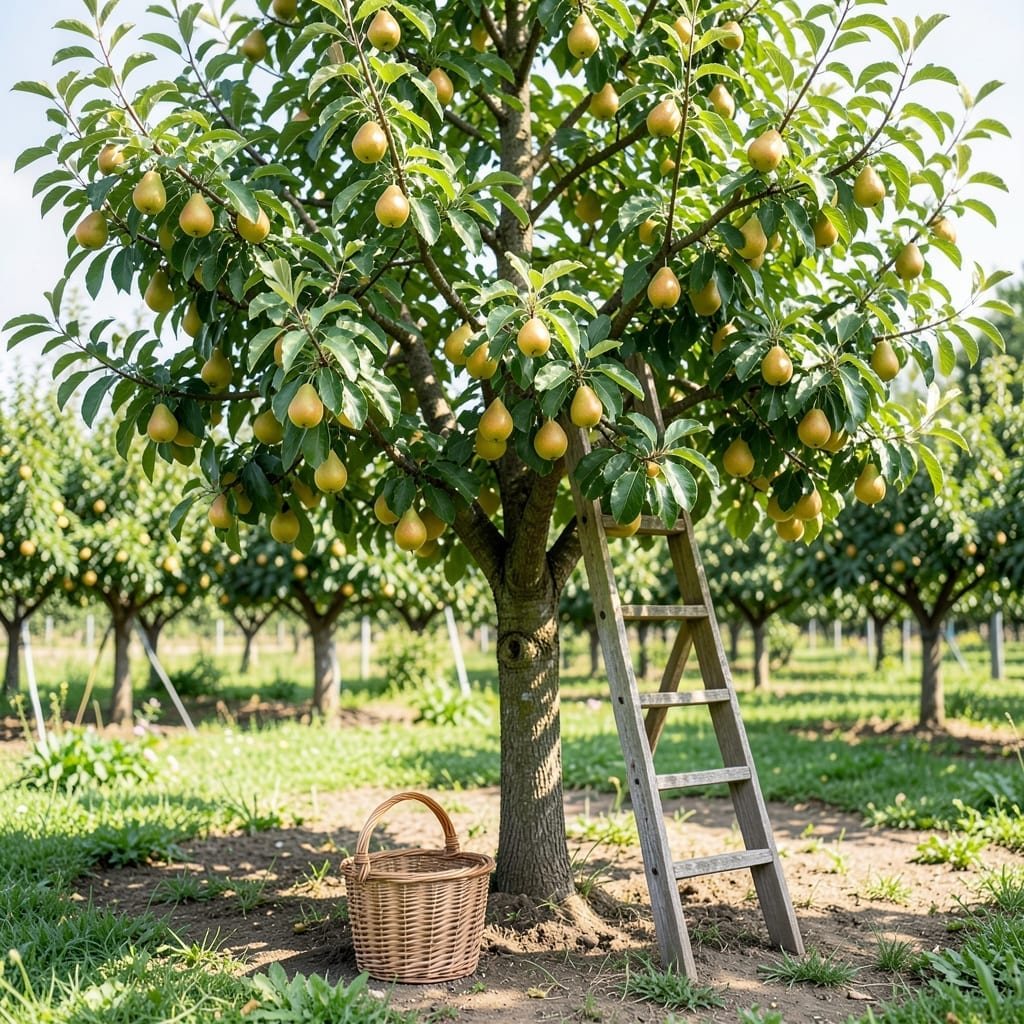
There’s nothing quite like biting into a perfectly ripe Pear you’ve grown yourself. In Michigan, timing that harvest just right makes all the difference between a mediocre and an exceptional crop.
Our state’s unique climate in zones 5b-6a means you can’t rely on a one-size-fits-all approach. Different varieties have their own perfect window for picking, and knowing these nuances is the key to success.
I’ve learned through experience that watching for subtle signs of ripeness beats any calendar date. The fruit will literally tell you when it’s ready if you know what to look for.
Let me walk you through how to identify that perfect moment for your Pear harvest, from early season varieties to those that hold out until the first frost threatens.


Michigan’s USDA zones 4-6 create unique conditions for pear cultivation. The timing for pear harvest varies significantly by variety, with early types ready in August and late varieties holding until October. I’ve found that understanding these windows is crucial for optimal flavor and storage life.
From Bartlett pears that ripen first to Bosc pears that wait until fall, each type has distinct visual cues. The color change from green to yellow or red is often the first sign, but there are other indicators I always check before picking.
| Variety | Harvest Window | Ripeness Cues |
|---|---|---|
| Bartlett | Mid-August to early September | Yellow color, sweet aroma |
| Anjou | Late September to early October | Green to yellow-green, slight softness |
| Bosc | Mid-October | Russeted skin, firm texture |
| Asian Pear | Late August to September | Brown speckles, crisp bite |
In Zone 5b, where much of Michigan falls, Bartlett pears typically ripen about 2 weeks earlier than in cooler Zone 4. I recommend checking your specific microclimate, as areas near Lake Michigan may have slightly extended growing seasons due to the lake’s moderating effect.
The tilt test works well for most varieties: gently lift the pear and tilt it. If it separates easily from the stem, it’s ready. For Bosc pears, which are firmer, I look for a color shift from green to brownish-russet before testing the tilt.
Asian pears are unique because they’re often crisp when ripe, unlike European varieties that soften. I harvest these when they develop their characteristic speckled appearance and have a slight give when pressed near the stem.
Weather plays a big role in Michigan. A warm spring can accelerate ripening by 7-10 days, while a cool summer might delay it. I always keep an eye on the 10-day forecast as harvest time approaches, especially watching for early frosts that could damage late varieties.
For the best flavor, I pick pears when they’re mature but not fully ripe. Most varieties continue to ripen off the tree, which is perfect for Michigan’s unpredictable fall weather. I store them in a cool, dark place to let them reach peak sweetness.
Remember that tree age affects harvest time too. Younger trees often produce fruit that ripens 1-2 weeks earlier than mature trees. My 5-year-old Bartlett tree consistently ripens its fruit before my neighbor’s 20-year-old specimen.
Lastly, taste testing is the best way to confirm ripeness. I sample one or two pears from different parts of the tree to ensure consistency. When they taste just right, I know it’s time for the full pear harvest in my Michigan orchard 🌳
Timing your pear harvest in Michigan is crucial for the best flavor and texture. Since pears ripen from the inside out, you can’t rely on external softness alone. I always check for color changes and stem separation first. ☀️
For most Michigan pear varieties, the fruit will shift from green to yellow or red when ready. The tilt test is my go-to: gently lift the pear and tilt it. If it separates easily from the branch, it’s time to pick. ✂️
Another reliable method is the gentle pressure test. Apply light pressure near the stem with your thumb. If it gives slightly, the pear is likely ready. Remember that Bartlett pears change color more dramatically than others. 🌱
For Asian pears, which are popular in Michigan, look for a golden hue and a crisp texture. These varieties often ripen earlier than European types, sometimes as early as late July. Always check multiple fruits on the tree.
I’ve found that morning harvesting works best when the fruit is cool. Avoid picking after heavy rain, as excess moisture can dilute the sugar content. Store your pears at room temperature to allow them to fully ripen indoors.
Finally, keep notes on your harvest dates each year. Michigan’s weather can vary, and your records will help you refine your timing for future seasons. 🌿