
Beautiful Plants For Your Interior
Beautiful Plants For Your Interior
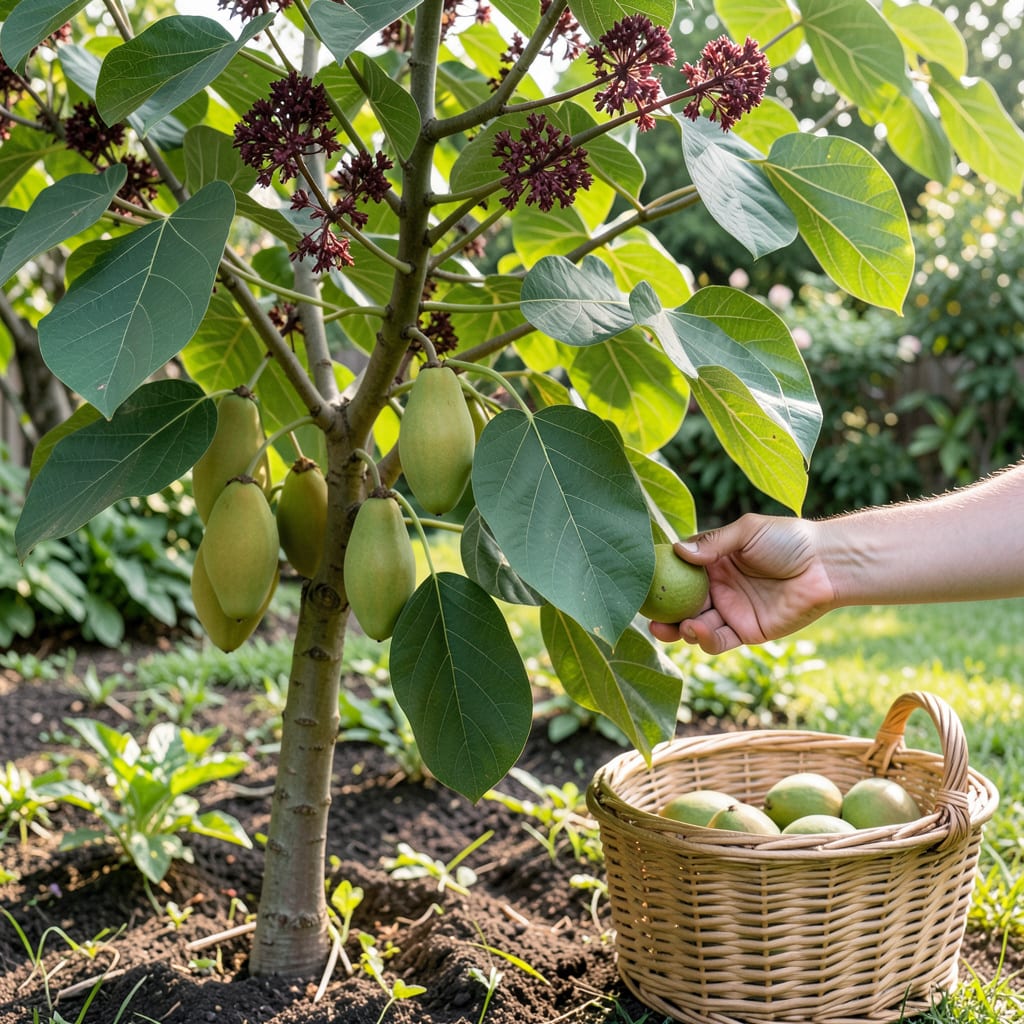
Timing your pawpaw 🥭 harvest perfectly means the difference between sweet, custard-like perfection and a disappointing, mushy mess.
I’ll show you the exact signs to look for so you can pick these native fruits at their peak flavor. No more guessing—just confident harvesting every time.


Harvesting pawpaws at the right moment is all about observing subtle changes. The fruit color shifts from bright green to a yellowish-brown hue as it nears ripeness, signaling the start of its sweet transformation.
Gently press the fruit surface—a ripe pawpaw will yield slightly, like a soft avocado, indicating the custard-like flesh inside is developing its signature texture.
| Sign | Description |
|---|---|
| Color Change | Green to yellow-brown |
| Softness | Gentle give to touch |
| Aroma | Sweet tropical scent |
| Stem Separation | Easy twist from tree |
The aroma is your most reliable indicator. A ripe pawpaw emits a strong sweet smell, often noticeable before you even see the fruit. This fragrance intensifies as the fruit approaches peak ripeness.
Another clear sign is how the pawpaw detaches from the tree. When ripe, it should come away with a gentle twist, without resistance. Pulling too hard can damage both the fruit and the branch.
Watch for dark spots or slight blemishes on the skin. These imperfections often appear as the fruit ripens and are a normal part of the process, not a cause for concern.
If the pawpaw is still hard and firm, it’s not ready. The flesh inside will be underdeveloped and taste bitter or bland. Patience is key—wait for the telltale softness.
For the best flavor, I recommend checking your pawpaws daily as they near maturity. The window between perfectly ripe and overripe can be just 2-3 days, especially in warm weather.
Once picked, pawpaws continue to ripen off the tree. If you harvest them slightly early, place them in a paper bag with a banana or apple to speed up the process.
Remember, pawpaws don’t ripen all at once. Staggered harvesting is normal, so check each fruit individually. This ensures you enjoy the sweetest, most flavorful pawpaws possible. ☀️
The timing for pawpaw harvesting varies by region and climate. In warmer Southern zones, you may start picking as early as August, while cooler Northern areas often see ripening in September or October.
Drought conditions can accelerate ripening, while excessive rain may delay it. Always monitor your local weather and adjust your harvest expectations accordingly.
Soil type also plays a role. Well-draining, slightly acidic soil tends to produce earlier harvests compared to heavy clay soils, which may slow ripening.
If you’ve had a cool spring, expect a later harvest. Pawpaws need warm summer days to fully develop their sweetness. A late frost can also delay the entire growing season.
For container-grown pawpaws, the harvest window may shift slightly earlier due to the controlled environment. However, they still follow the same ripeness cues as ground-planted trees.
I always recommend keeping a garden journal to track your harvest dates each year. This helps you predict future ripening times based on your specific growing conditions. 🌿
Harvesting pawpaws too early is a common mistake that results in bitter, underdeveloped fruit. The flesh won’t have developed its sweet custard-like texture, leaving you disappointed with the flavor.
Waiting too long is equally problematic. Overripe pawpaws become mushy and may fall off the tree, attracting pests or rotting before you can enjoy them.
Using the wrong technique can damage both the fruit and the tree. Instead of pulling, use a gentle twisting motion to detach the pawpaw from its stem.
Harvesting during wet conditions can lead to mold or rot. Always pick pawpaws when the weather is dry to ensure the best storage life and flavor preservation.
I’ve learned that ignoring the scent test often leads to harvesting unripe fruit. The sweet aroma is your best indicator that the pawpaw is ready to be picked and enjoyed. 🌿
Gently press the fruit—it should yield slightly like a soft avocado. Also, a ripe pawpaw will emit a strong sweet aroma and its color shifts from green to yellowish-brown.
Early harvesting results in bitter, underdeveloped fruit. The flesh won’t have its signature custard-like sweetness, and the texture will be firm rather than creamy.
Yes! Place them in a paper bag with a banana or apple to speed up ripening. Check daily, as they can go from firm to overripe in 2-3 days.
This usually means they’re overripe. Overripe pawpaws become mushy and detach easily. Harvest them sooner next time to avoid losing fruit to the ground.
