
Beautiful Plants For Your Interior
Beautiful Plants For Your Interior
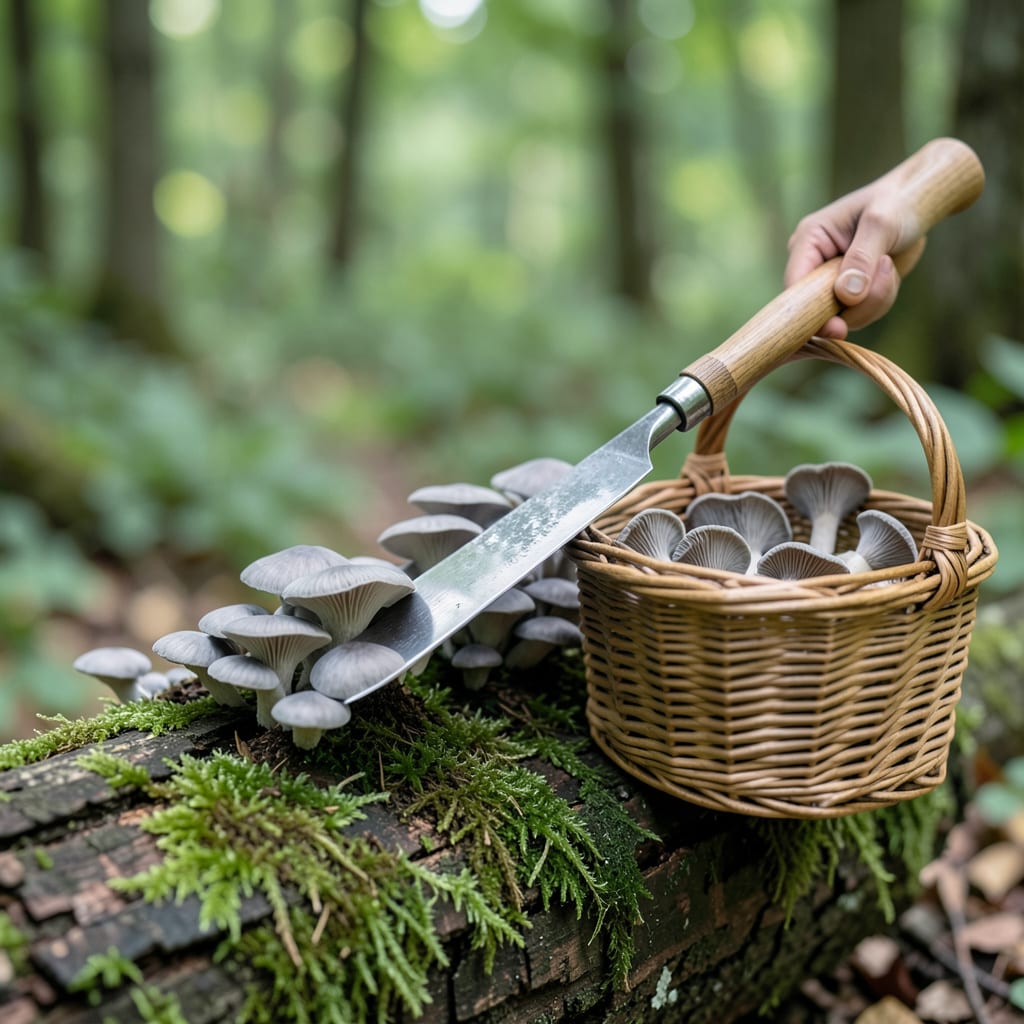
I remember the first time I grew Oyster Mushroom 🍄 – I nearly missed the perfect picking window. Those subtle signs are easy to overlook if you don’t know what to look for.
Timing is everything with these delicate fungi. Discover the exact visual cues that tell you your mushrooms are at peak flavor and ready for harvest.


I’ve learned that Oyster Mushrooms give clear signals when they’re ready for harvest. The most telling sign is when the cap edges begin to flatten out but still retain a slight curl. This is nature’s way of saying they’re at peak maturity.
Another key indicator is the cap diameter. When your mushrooms reach 2-6 inches across, they’re typically ready. The stems should also be firm and white, not thin or rubbery.
| Harvest Sign | Description |
|---|---|
| Cap Diameter | Reaches 2-6 inches across |
| Cap Edges | Flattening but still slightly curled |
| Stem Condition | Firm and white, not rubbery |
| Cluster Density | Appears dense and healthy |
Color is another excellent indicator. Your Oyster Mushrooms should display a rich, even color across the caps. If the color appears pale or uneven, they’re not quite ready for picking.
I always check the cluster density too. A mature cluster will look full and vibrant. If the mushrooms are sparse or the caps are still tightly curled, give them a few more days.
Remember that timing varies by strain and growing conditions. Cooler temperatures may slow growth, while warmer, humid conditions can speed it up. Keep a close eye on your mushrooms daily.
If you notice the edges fully flattening or starting to curl upward, it’s a sign they’re past their prime. Harvest immediately to avoid tough or woody textures.
The stems should never be ignored. Thin or rubbery stems indicate immaturity, while thick, firm stems signal readiness. I’ve found that gentle pressure on the stem can confirm firmness.
For outdoor growers, morning harvests are ideal. The mushrooms are at their freshest after a cool night, and the humidity levels are typically higher, which helps preserve their texture.
Lastly, trust your instincts. If the mushrooms look healthy and vibrant, they’re likely ready. With practice, you’ll recognize these visual cues instantly and enjoy a perfect harvest every time. 🌱
I’ve seen many gardeners ruin their mushroom harvest by picking too early or waiting too long. Oyster mushrooms won’t ripen after picking, so timing is critical. 🌱
Another common error is using dull tools that crush the delicate stems. Always use sharp, clean scissors or a knife to avoid damaging the mycelium.
⚠️ Harvesting Pitfalls
Avoid picking wet mushrooms to prevent mold. Never pull mushrooms—always cut at the base to protect the mycelium.
Overlooking environmental conditions can also lead to poor harvests. High humidity speeds up growth, while dry air stunts it. Monitor your growing space closely.
Some gardeners harvest too late, waiting for caps to fully flatten. By then, the texture may be tough or woody. Aim for slightly curled edges for the best flavor.
Ignoring cluster density is another mistake. If mushrooms are crowded, they compete for nutrients, leading to smaller, weaker yields. Thin clusters as needed.
Finally, don’t forget post-harvest care. Store picked mushrooms in a paper bag in the fridge to maintain freshness. ✂️
I’ve noticed that weather conditions play a huge role in when my Oyster Mushrooms are ready to harvest. Temperature and humidity can either speed up or slow down their growth significantly.
Warm, humid conditions make mushrooms grow faster, often ready in as little as 21 days. In contrast, cooler temperatures may extend the timeline to 40 days or more.
🌱 Weather Impact on Harvest
Monitor temperature and humidity closely. Ideal conditions are 60-75°F with 80-90% humidity for fastest growth.
I always check my mushrooms more frequently during warm, humid spells. The combination of heat and moisture can cause them to reach maturity days earlier than expected.
Conversely, in dry or cold conditions, I give them extra time. The mycelium grows slower, and the mushrooms take longer to develop their characteristic cap shape and firm stems.
Outdoor growers should also consider light exposure. While Oyster Mushrooms prefer low light, too much shade can slow growth. A balanced environment is key for consistent harvests. ☀️
Look for caps with edges that have fully flattened or started curling upward. At this stage, the texture becomes tough or woody. Harvest immediately if you notice this.
No, tightly curled edges mean they’re not mature enough. Wait until caps reach 2-6 inches in diameter and edges begin to flatten but still have a slight curl.
Morning is ideal, especially after a cool night. The mushrooms are at their freshest and humidity levels are higher, which helps preserve texture.
In warm, humid conditions they may be ready in 21 days. Cooler temps can extend this to 40 days or more. Monitor daily in warm weather.
