
Beautiful Plants For Your Interior
Beautiful Plants For Your Interior
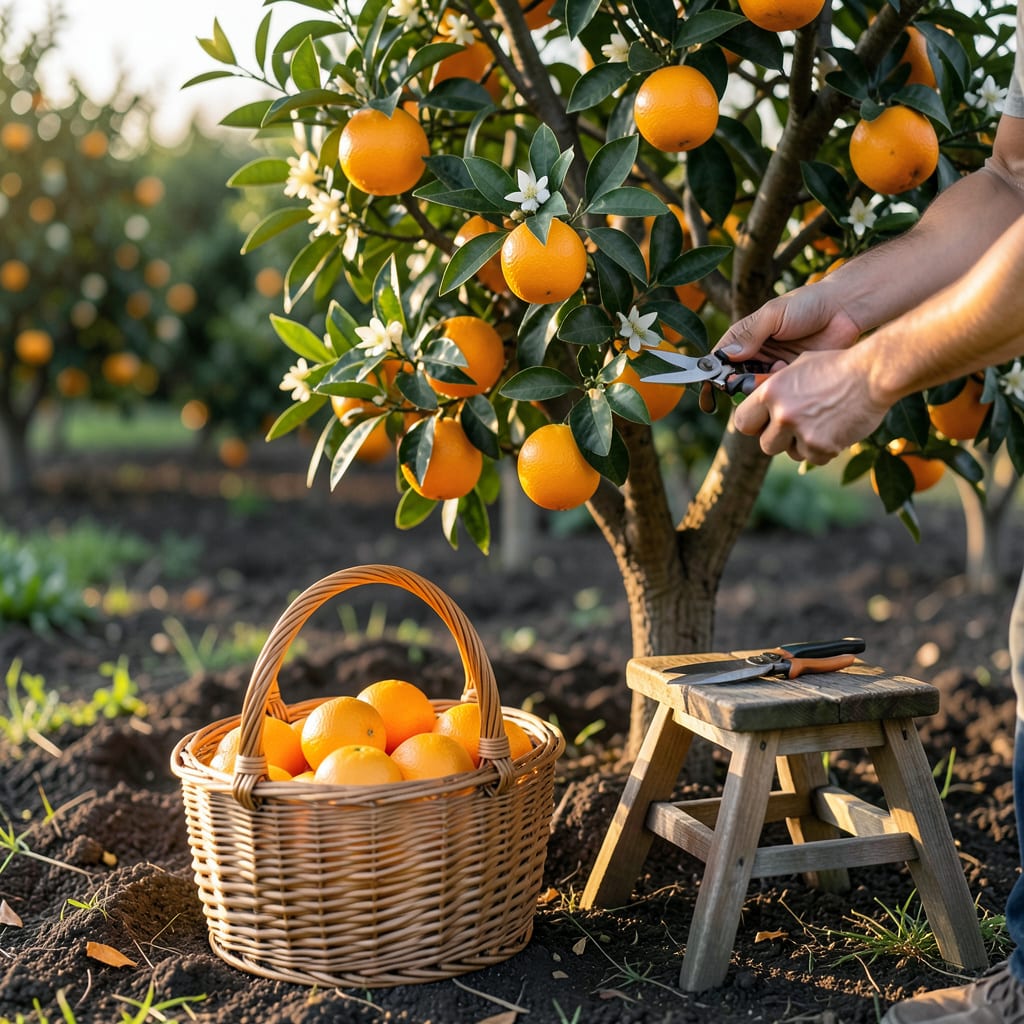
Timing is everything when it comes to harvesting 🍊 Orange trees in Arizona. Pick too early, and you’ll get a mouthful of sour disappointment.
Wait too long, and that perfect sweetness slips away. I’ll show you the most important signs to watch for so you never miss that ideal harvest window again.


In Arizona, the orange harvest season varies by region and variety. The state’s unique climate, with its low desert and high desert zones, creates distinct ripening windows. I’ve found that timing your pick right means sweeter, juicier fruit every time.
For most home gardeners, the Low Desert (like Phoenix and Tucson) sees harvests from November to March, while High Desert areas (such as Flagstaff) may shift later due to cooler temperatures.
| Variety | Region | Harvest Window |
|---|---|---|
| Navel | Low Desert | Dec – Feb |
| Valencia | Low Desert | Jan – Apr |
| Blood Orange | Intermediate | Feb – Mar |
| Navel | High Desert | Jan – Mar |
The Navel oranges are typically the first to ripen, often ready by early December in the Low Desert. Their thick skin and seedless flesh make them a favorite for fresh eating. I always check for a deep orange color before picking.
Valencia oranges, on the other hand, often ripen later, sometimes lingering on the tree until April. These are perfect for juicing, and their thin skin can be a bit more delicate to handle during harvest.
In the High Desert, where temperatures drop lower, oranges may take a bit longer to ripen. I’ve noticed that cold snaps can actually enhance the sweetness of the fruit, but be sure to protect your trees from hard freezes.
For Blood oranges, the Intermediate zones (like the areas around Prescott) are ideal. These varieties thrive with a bit of cool weather, which helps develop their signature reddish flesh and complex flavor.
Remember, these are general guidelines. Local microclimates can shift your harvest window by a few weeks. If you’re unsure, I recommend testing a few fruits for sugar content and ripeness before committing to a full harvest.
I also keep an eye on the weather forecast. A sudden heatwave can speed up ripening, while a cold spell might delay it. Staying flexible is key to getting the best flavor from your Arizona oranges.
Finally, don’t forget that tree health and soil conditions play a role too. Well-drained soil and consistent watering help ensure your oranges reach their peak ripeness right on schedule.
With a little practice, you’ll get a feel for when your oranges are at their best. 🌿
Testing orange ripeness in Arizona is simpler than you might think. I rely on a few trusted methods to ensure I’m harvesting at the peak of sweetness every time.
First, I check the color and texture. A fully ripe orange should have a uniform orange hue with no green patches, and the skin should feel slightly soft to the touch.
The squeeze test is my go-to method. A ripe orange will yield just a little when gently pressed, but it shouldn’t feel mushy or hard. If it’s rock-solid, it’s not ready yet.
For a more scientific approach, I use a Brix meter. This handy tool measures the sugar content of the juice. Anything above 12% is typically sweet enough for harvesting, but I aim for 14% or higher for the best flavor.
Don’t forget the taste test—it’s the most reliable way to confirm ripeness. I always sample one or two oranges from different parts of the tree. If they taste sweet and juicy, the rest are likely ready too.
One common mistake I see is relying solely on color. Some varieties, like Valencia oranges, can stay greenish even when ripe. That’s why combining multiple tests gives the best results.
Finally, I avoid picking after heavy rain. Excess water can dilute the sugar content, leading to bland fruit. Instead, I wait a few days for the tree to recover and the flavor to concentrate again.
With these methods, you’ll never have to guess when your Arizona oranges are ready. ✂️
Once you’ve picked your Arizona oranges, proper storage is key to maintaining their freshness and flavor. I’ve learned that even the sweetest fruit can turn bland if not handled correctly after harvest.
For short-term storage, keep oranges at room temperature for up to a week. This works well if you plan to enjoy them quickly. For longer storage, I recommend moving them to the refrigerator, where they’ll stay fresh for 2-3 weeks.
💡 Pro Tip: Store oranges in a mesh bag or perforated container to allow airflow and prevent moisture buildup, which can lead to mold.
If you’ve harvested a large batch, consider freezing the juice or zest. I freeze orange juice in ice cube trays for easy portioning, and the zest can be dried and stored in an airtight container for up to a year.
Valencia oranges tend to last longer than Navel varieties due to their thicker skin. However, both benefit from being stored away from direct sunlight and heat sources, which can speed up spoilage.
Watch for signs of spoilage, like soft spots, mold, or a fermented smell. If you notice any of these, it’s best to use or discard the fruit immediately to avoid affecting the rest of your harvest.
With these storage tips, your Arizona oranges will stay delicious long after picking. 🌿
Most varieties hold their peak sweetness for 2-4 weeks once fully ripe. Navels may start to decline after 3 weeks, while Valencias can stay fresh for up to 6 weeks in ideal conditions.
Color doesn’t always mean sweetness. In Arizona’s desert climate, oranges may develop full color before sugars peak. Always do a taste test or use a Brix meter to confirm ripeness.
Yes, but avoid harvesting when fruit is frozen or temperatures are below 32°F. Cold snaps can sweeten oranges, but frozen fruit may become mushy when thawed.
Pick in the early morning when temperatures are cool. This preserves the fruit’s moisture and flavor. Avoid midday heat, which can stress the tree.
