
Beautiful Plants For Your Interior
Beautiful Plants For Your Interior
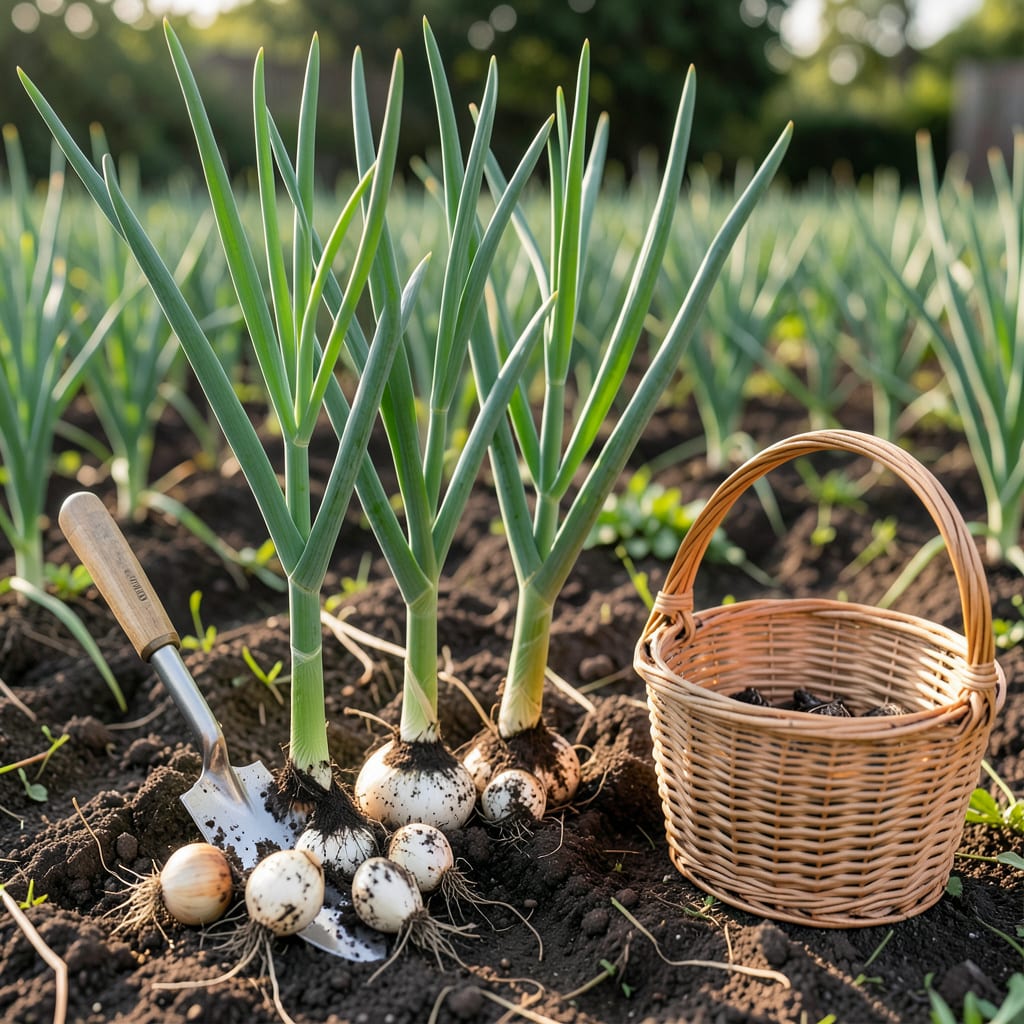
Nothing beats the satisfaction of pulling a perfect onion from your garden at just the right moment. With 🧅 Onion, timing is everything, and the plant gives you clear signals when it’s ready.
I’ll show you how to read those key signs—like softening necks and toppling greens—that mean your harvest window has arrived. Let’s make sure you don’t miss it.


Timing your onion harvest perfectly starts with watching for two key visual cues. The first is neck softening, where the stem just above the bulb loses its rigidity. This happens as the plant redirects energy from the leaves to the bulb.
The second sign is toppling, when the green tops naturally flop over. This isn’t damage—it’s the plant signaling that bulb development is complete. Both signs typically appear 90-120 days after planting, depending on the variety. 🌱
| Maturity Sign | What to Look For | Why It Matters |
|---|---|---|
| Neck Softening | Stem above bulb feels spongy | Energy shifts to bulb |
| Toppling | Green tops fall over naturally | Bulb is fully developed |
| Yellowing Leaves | Lower leaves turn brown or yellow | Nutrient redistribution complete |
| Papery Skin | Outer bulb skin is dry | Ready for storage |
I always check for neck softening first by gently squeezing the stem about 1-2 inches above the bulb. If it feels hollow or soft rather than firm, that’s your first green light. This change happens as the plant stops sending water to the leaves.
The toppling process is even more dramatic. Healthy onion tops will suddenly bend at the neck, often within 24-48 hours. Don’t prop them up—this is nature’s way of saying the bulb has reached its full size and is ready for curing. ☀️
For sweet onion varieties like Vidalia, these signs may appear slightly earlier, around 80-90 days. Storage onions, like yellow or red types, often take the full 100-120 days. The exact timing depends on your climate and planting date.
I’ve found that morning harvesting works best. The bulbs are firmer after a cool night, making them easier to pull without damage. Use a fork to gently loosen the soil before pulling to avoid bruising the bulbs.
Remember that weather conditions can affect these signs. In very wet seasons, onions might take longer to show maturity. Conversely, drought-stressed plants may topple prematurely. Always combine visual cues with the days-to-maturity estimate for your variety. 🌿
If you’re growing green onions, the rules are different—you can harvest these at any time by pulling entire plants when they reach 6-8 inches tall. But for bulb onions, waiting for those two key signs ensures maximum flavor and storage potential.
After pulling, let your onions cure in a well-ventilated, shaded area for 1-2 weeks. This drying period is crucial for developing that papery outer skin that protects the bulb during storage. Proper curing can extend your harvest’s shelf life by months.
Deciding when to pick onions depends on your intended use. For fresh eating, you can harvest earlier when tops are still partially green. For long-term storage, wait until the plants show full maturity signs like complete toppling and neck softening. 🌱
Early harvesting gives you milder, sweeter onions that are perfect for immediate use. These bulbs haven’t developed their full papery skin yet, so they won’t store well but offer excellent flavor for summer meals.
| Harvest Type | When to Pick | Storage Potential |
|---|---|---|
| Fresh Use | Early, some green tops | 1-2 weeks |
| Storage | Full maturity signs | Several months |
| Green Onions | Any time, 6-8 inches tall | Not applicable |
For storage onions, I wait until 60-80% of the tops have fallen over. This ensures the bulbs have reached their full size and developed the protective outer layers needed for long-term keeping.
Sweet varieties like Vidalia or Walla Walla are best harvested at the first signs of maturity. Their higher sugar content makes them prone to spoilage, so don’t delay picking once they’re ready. ☀️
Storage onions like Yellow Granex or Red Creole benefit from staying in the ground longer. I’ve found these develop better flavor and longer shelf life when allowed to fully mature and cure properly.
Remember that weather conditions can affect your harvest timing. In wet climates, you might need to pull onions slightly early to prevent rot, while dry conditions may require additional watering to reach full maturity. 🌿
Harvesting onions at the wrong time can ruin months of careful growing. One of the most common mistakes I see is pulling bulbs too early, when necks are still firm and tops are upright. This results in underdeveloped bulbs with poor flavor. 🌱
Another frequent error is waiting too long after the tops have fallen over. When left in damp soil, mature onions can begin to rot. I recommend harvesting within 1-2 weeks of toppling to prevent this issue.
⚠️ Warning: Never harvest onions when the soil is wet. This can lead to rot during curing and reduce storage life significantly.
Many gardeners also make the mistake of cutting the tops before harvesting. This can introduce disease and interfere with the natural curing process. Instead, let the tops remain intact until after you’ve pulled the bulbs.
I’ve learned that harvesting in the heat of the day can cause the outer skins to crack. Early morning is ideal, when temperatures are cooler and the bulbs are firm. This makes them easier to handle and reduces the risk of damage. ☀️
Finally, don’t overlook the curing process. Skipping this step or doing it in a humid environment can lead to mold. I always cure my onions in a shaded, well-ventilated area for at least 1-2 weeks before storage.
Remember that variety matters. Sweet onions like Vidalias won’t store as long as storage varieties, so adjust your harvest timing accordingly. When in doubt, check the days-to-maturity for your specific type. 🌿
Look for two key signs: necks soften about 1-2 inches above the bulb, and tops naturally topple over. These indicate the plant has stopped sending energy to the leaves and shifted it to bulb development.
Yes, for fresh eating you can harvest earlier when tops are still green. However, for storage onions, wait until 60-80% of tops have fallen over to ensure full maturity and better shelf life.
Leaving mature onions in damp soil can cause rot. Harvest within 1-2 weeks of toppling to prevent this. Also, bulbs may split if left too long in the ground.
Sweet varieties like Vidalias are best picked at first signs of maturity (80-90 days). Storage types like Yellow Granex often need the full 100-120 days for optimal flavor and keeping quality.
