
Beautiful Plants For Your Interior
Beautiful Plants For Your Interior
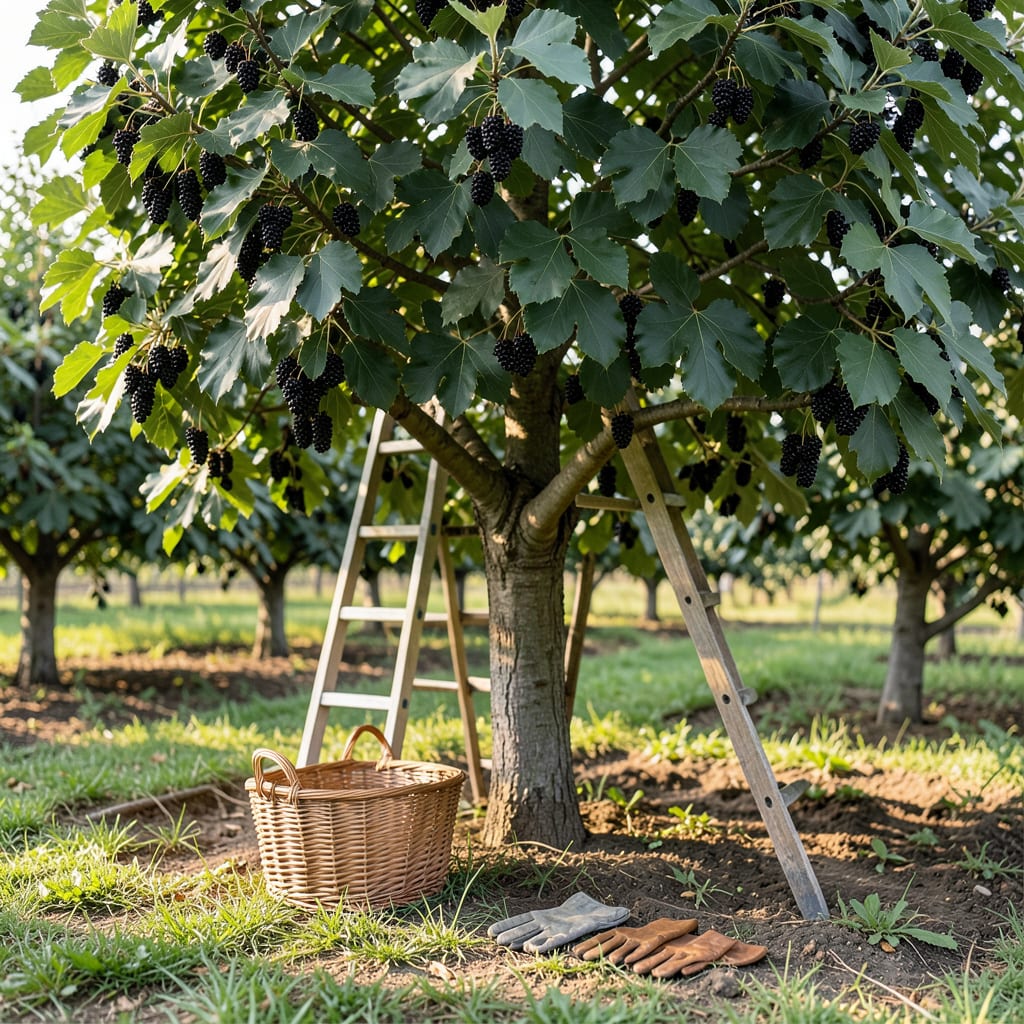
Nothing beats the taste of freshly picked 🍇 Mulberries, but timing is everything. Picking too soon leaves you with tart, unripe fruit.
I’ll show you the exact signs to look for so you can harvest at peak sweetness. From color changes to gentle touch tests, you’ll never miss the perfect window again.


Timing your mulberry harvest perfectly depends on your climate zone and the variety you’re growing. In warmer zones like 7-8, berries ripen earlier, often by late May or early June.
Cooler areas in zones 4-6 typically see ripe fruit from mid-June through July. I always watch for the first color change as my signal to start checking daily.
🌿 Mulberry Harvest Timeline by Zone
| Zone | Harvest Window | Peak Ripeness |
|---|---|---|
| 4-5 | June 15 – July 15 | Early July |
| 6 | June 1 – July 30 | Mid-June to July |
| 7-8 | May 20 – July 10 | Late May to June |
| 9+ | May 1 – June 15 | Early May to June |
Early varieties like Illinois Everbearing may produce two crops per season, with the first harvest in early summer and a second in late summer. I find these do best with consistent moisture during fruit set.
The color transformation is your first clue. Black mulberries turn from green to deep purple, while red varieties shift from pale pink to vibrant red. This change happens over 3-5 days of warm weather.
I check my trees daily once I see the first color shift. The berries will go from hard and green to slightly soft with full color in just a few days. A gentle squeeze test helps confirm they’re ready.
Temperature plays a big role too. 80°F days speed up ripening, while cool spells can delay it by weeks. I’ve noticed my northern trees often need an extra 7-10 days compared to southern gardens.
For container-grown mulberries, expect a slightly earlier harvest since pots warm up faster. Just ensure they get full sun and regular water to support fruit development.
Remember that rainy periods can cause berries to split if they’re nearly ripe. I always try to harvest just before a big storm to prevent this common issue.
The ease of picking is another telltale sign. Ripe mulberries come off with just a light tug, while unripe ones resist. This makes harvesting much quicker once they’re ready.
Finally, taste is the ultimate test. A perfectly ripe mulberry will be bursting with sweetness with just a hint of tartness. I sample a few from different branches to confirm the whole tree is ready. 🌳
Identifying ripe mulberries is all about using your senses. Look for deep color first—black, dark purple, or rich red depending on the variety. Unripe berries stay green or pale.
Next, check the texture. A ripe mulberry feels slightly soft and plump when gently squeezed. If it’s hard or firm, it needs more time on the tree.
🌿 5 Signs Your Mulberries Are Ready
The ease of picking is another key indicator. Ripe mulberries come off with just a light tug, while unripe ones require force. I always use a gentle twist to avoid damaging the fruit.
Taste testing is the final confirmation. Sample a few berries from different branches. A perfectly ripe mulberry will be sweet with minimal tartness. If it’s sour, wait another day or two.
Watch for overripeness too. Berries that are too soft or starting to wrinkle are past their prime. These can ferment quickly and attract pests like fruit flies or birds.
I recommend harvesting in the early morning when berries are cool and firm. This makes them easier to handle and reduces the risk of crushing. Always use a shallow container to prevent bruising the delicate fruit.
Finally, check the stem attachment. If the berry separates cleanly with the stem intact, it’s ready. If the stem stays on the tree, give it more time to ripen fully. 🌳
Timing your mulberry harvest wrong can ruin your crop. Picking too early gives you tart berries, while waiting too long risks overripe fruit that attracts pests.
I’ve learned the hard way that ignoring weather is a big mistake. Heavy rain can cause ripe berries to split, while drought conditions may delay ripening by weeks.
⚠️ Avoid These Mulberry Picking Errors
Harvesting too early results in sour, firm berries that won’t ripen off the tree.
Picking during rainy weather can lead to split fruit and mold growth.
Using rough handling crushes delicate berries and stains your hands.
Another common error is using the wrong tools. Never pull berries with force—this damages the fruit and the tree. Instead, use a gentle twisting motion with your fingers.
Birds and squirrels love mulberries too. If you don’t harvest at the right time, you might lose your crop to wildlife. I use netting if I can’t pick immediately.
Finally, avoid picking when berries are wet from dew. This makes them slippery and prone to bruising. Wait until mid-morning when they’ve dried but are still cool. 🌳
Deep purple, black, or rich red signals ripeness depending on variety. Green or pale berries need more time. The color change typically happens over 3-5 days of warm weather.
Gently squeeze a berry—it should feel slightly soft and plump. Ripe ones also detach easily with a light tug. If it resists, wait another day or two.
Harvest in the early morning when berries are cool and firm. This makes handling easier and reduces crushing. Avoid picking when wet from dew or rain.
Overripe berries become too soft, may split, and attract pests like birds or fruit flies. They can also ferment quickly, ruining the flavor.
