
Beautiful Plants For Your Interior
Beautiful Plants For Your Interior
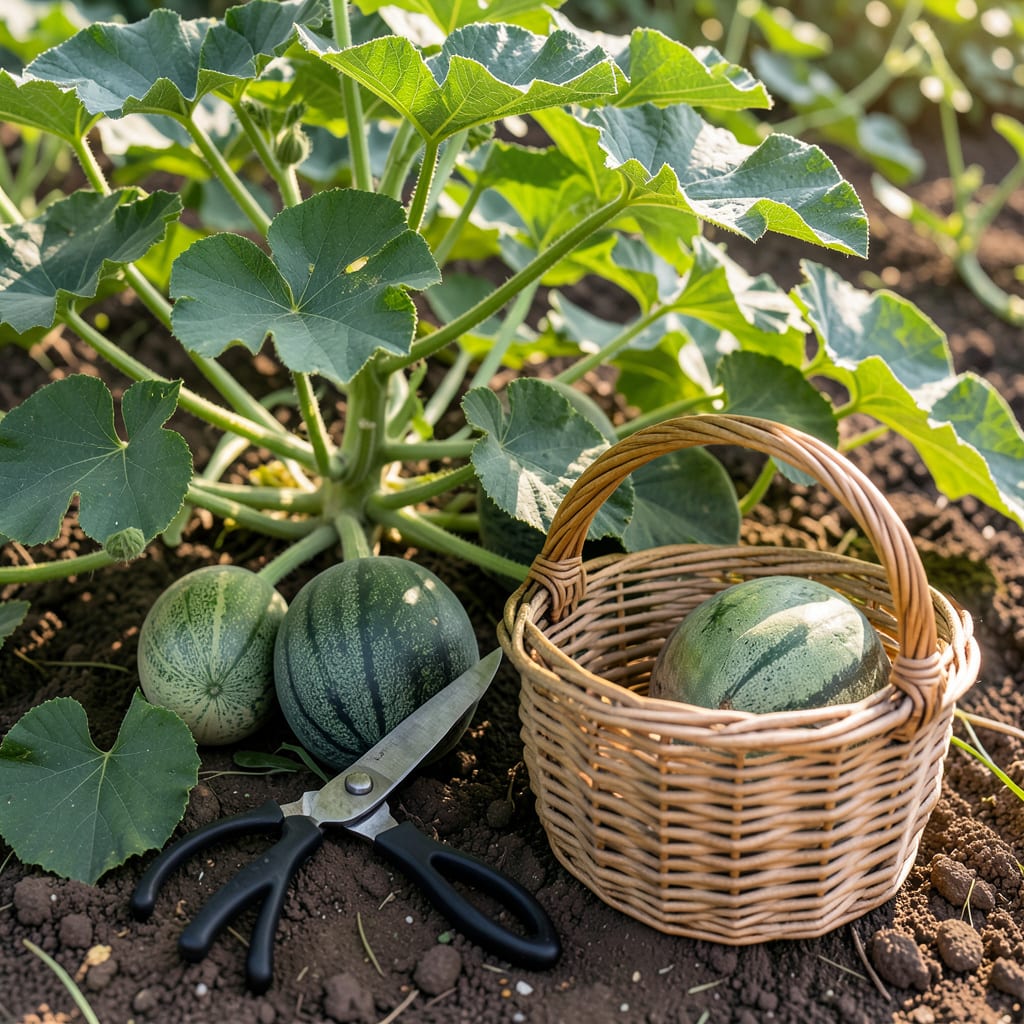
Nothing beats the taste of a perfectly ripe 🍈 Melon fresh from your garden, but knowing when to harvest can feel like guessing. Those subtle signs of ripeness are easy to miss if you’re not sure what to look for.
I’ll show you the key indicators—from netting patterns to aroma—that guarantee your Melons are at peak sweetness. With these tips, you’ll never pick one too early or too late again.


Timing your melon harvest perfectly starts with observing visual cues. For cantaloupes, look for a beige netting pattern under the stem, while honeydews develop a creamy yellow tint on the rind.
Another key indicator is the stem separation. A ripe melon often has a stem that detaches cleanly from the vine, known as a “full slip.” If it doesn’t separate easily, it’s not ready yet.
| Melon Type | Ripeness Sign | Color Change |
| Cantaloupe | Beige netting under stem | Green to beige/tan |
| Honeydew | Creamy rind texture | Pale green to creamy yellow |
| Watermelon | Dull rind and white underside | Bright green to dull matte |
The aroma test is another reliable method. A ripe melon emits a sweet, strong fragrance at the blossom end. If you don’t smell anything, give it a few more days.
For watermelons, check the underside where it touches the soil. A white or yellow spot indicates ripeness, while a green spot means it’s still growing.
Don’t forget the vein appearance. On cantaloupes and honeydews, the veins on the rind become less pronounced as they ripen, signaling it’s time to pick.
If you’re growing canary melons, their bright yellow rind deepens slightly when ready. The stem end also softens, making it easier to identify.
Weather plays a role too. Hot, dry days speed up ripening, while cool, wet conditions can delay it. Always check multiple signs to confirm readiness.
Once you’ve confirmed these visual and aroma cues, use a sharp knife or pruners to harvest. Leave a short stem attached to prevent damage.
Harvesting at the right time ensures maximum sweetness and juiciness. With practice, you’ll recognize these signs instinctively, making every harvest a success.☀️
The thump test is a classic method I rely on for watermelons. Tap the melon with your knuckles—a deep, hollow sound means it’s ripe, while a high-pitched sound indicates it needs more time.
For cantaloupes and honeydews, press gently on the blossom end (opposite the stem). A ripe melon will give slightly, like a ripe avocado, while an unripe one stays firm.
Another foolproof method is the stem check. If the stem separates cleanly from the vine with minimal effort, called a full slip, your melon is ready to pick.
For honeydews, the blossom end should feel slightly soft when pressed. This is different from cantaloupes, where the entire melon may feel firm but the blossom end yields.
Don’t overlook the weight test. A ripe melon feels heavier than it looks because of its high water content. Compare similar-sized melons to gauge this.
Combining these tests gives the most accurate results. I always use at least two methods to confirm ripeness before harvesting. With practice, you’ll develop an instinct for that perfect moment.🌱
Even experienced gardeners can make harvesting mistakes that cost them the sweetest melons. One of the most common is picking too early, which results in underripe, bland fruit.
Another frequent error is ignoring weather conditions. Harvesting during rainy periods can dilute sugars, while extreme heat may cause melons to split prematurely.
⚠️ Warning: Never harvest melons when the vine is wet. This can spread disease and reduce storage life.
Also avoid twisting or pulling melons from the vine—always use pruners or a sharp knife to prevent damage.
Many gardeners also overlook the blossom end when checking ripeness. This area often shows color changes or softening first, especially in honeydews and cantaloupes.
Storing melons improperly after harvest is another pitfall. Uncut melons should never be refrigerated, as cold temperatures can degrade flavor and texture. Instead, keep them at room temperature.
Finally, don’t rely on just one ripeness test. Combine visual cues, aroma, and tactile methods for the most accurate results. With these precautions, every harvest will be your best yet.🌿
Look for a beige netting pattern under the stem and a sweet aroma at the blossom end. The stem should detach easily with minimal effort.
A ripe honeydew develops a creamy yellow tint on the rind. The blossom end will also soften slightly when pressed.
Yes! Tap the melon—if you hear a deep, hollow sound, it’s ripe. A high-pitched sound means it needs more time.
Pick melons in the early morning when temperatures are cooler. This helps preserve their sweetness and freshness.
