
Beautiful Plants For Your Interior
Beautiful Plants For Your Interior
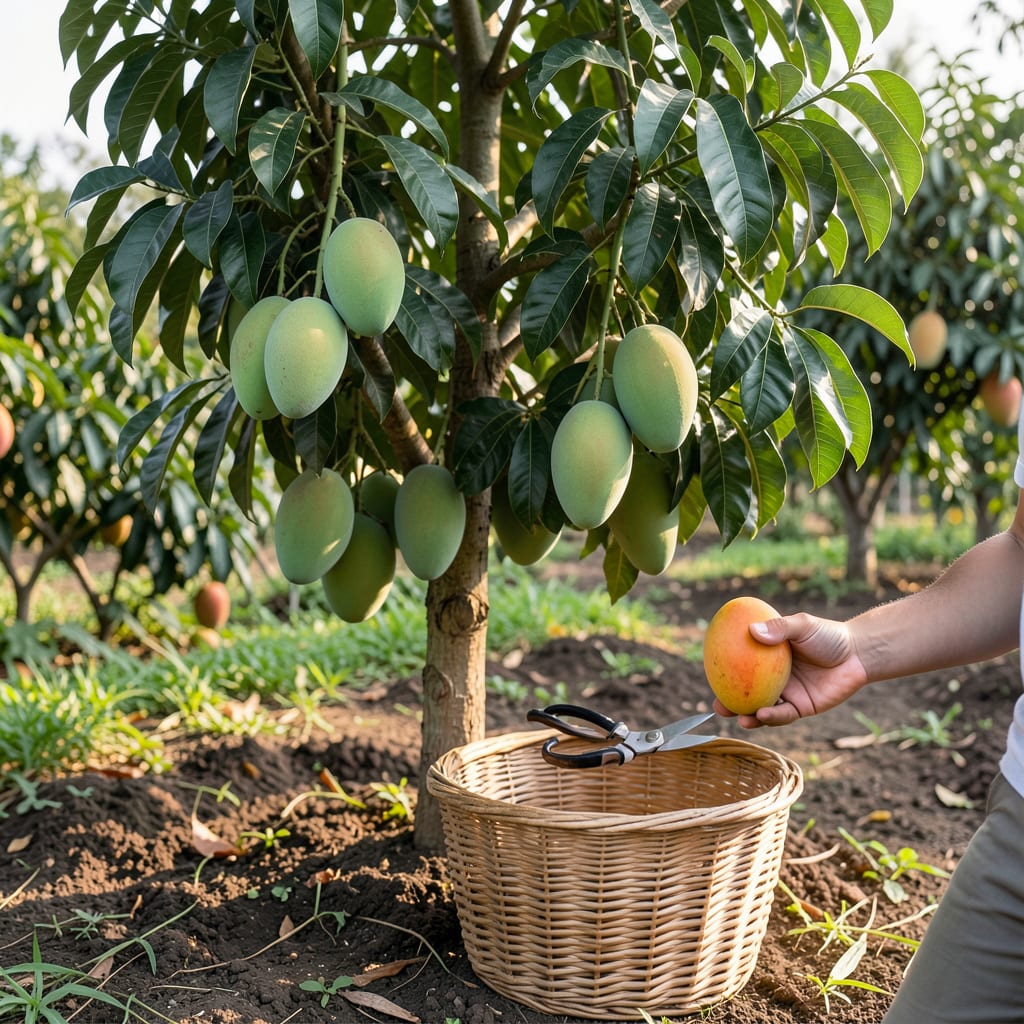
There’s nothing worse than cutting into a mango only to find it’s not quite ready. With the 🥭 perfect timing, you can enjoy sweet, juicy fruit every time.
I’ve learned that watching for color changes and a sweet aroma at the stem makes all the difference. Discover the simple signs that guarantee your mangos are ripe for picking.


Timing your mango harvest perfectly depends on the variety you’re growing. Different types ripen at different times, even in the same climate. I’ve found that knowing your specific mango helps avoid disappointment.
Climate plays a huge role too. In tropical zones, you might harvest year-round, while cooler areas see a shorter window. Watch for seasonal shifts to plan your picking schedule.
| Variety | Harvest Season | Key Ripeness Sign |
|---|---|---|
| Tommy Atkins | June – July | Deep red blush |
| Keitt | August – September | Green with pink hints |
| Kent | May – June | Yellow-green skin |
| Ataulfo | March – May | Golden yellow color |
In Florida and California, the main harvest runs from May to September. Early varieties like Ataulfo start the season, while Keitt mangos finish it strong.
For tropical climates, mangos may produce multiple crops per year. I’ve seen trees bear fruit in winter and summer when conditions are ideal. Keep an eye on flowering cycles to predict harvests.
If you’re growing dwarf varieties, expect a slightly shorter season. These trees often ripen 2-4 weeks earlier than standard types. Their compact size makes harvesting easier too.
Color is the first clue, but don’t rely on it alone. Some mangos stay green when ripe, while others turn vibrant red or yellow. I always check for a sweet aroma at the stem.
A gentle squeeze should yield slight give, like a ripe avocado. If it’s rock hard, it’s not ready. But if it’s too soft, it might be overripe. Practice makes perfect here.
In cooler zones, mangos may need longer to ripen. I’ve noticed that trees in containers often produce later in the season. Patience is key for the best flavor.
Remember, weather affects timing. A late frost can delay blooming, pushing back your harvest. Similarly, drought conditions might speed up ripening. Stay flexible and observe your tree closely. 🌳
I always look for color changes first—most mangos shift from green to yellow, red, or orange as they ripen. The exact hue depends on the variety, but a vibrant, uniform color is a great sign.
Another key indicator is texture. Gently squeeze the fruit; a ripe mango will give slightly, like a peach or avocado, but it shouldn’t feel mushy.
🥭 5 Ripeness Signs for Mangos
A ripe mango will also have a sweet, fruity aroma near the stem. If it smells strong and pleasant, it’s likely ready. Avoid fruit with no scent or a sour odor.
The stem area is another clue. When the fruit is ripe, the stem often dries out and may pull away slightly from the mango. This is a natural part of the ripening process.
For tree-ripened mangos, I check if the fruit easily separates with a gentle twist. If it resists, leave it for a few more days. Overripe mangos may fall off on their own.
Finally, weight matters. A ripe mango feels heavy for its size, indicating juicy flesh inside. Lighter fruits are often underripe.
With these signs, you’ll never pick a mango too early again. Happy harvesting! 🌿
Picking mangos at the wrong time can ruin your harvest. I’ve seen early picking result in sour, starchy fruit, while late harvesting leads to mushy, overripe messes. Timing is everything with this tropical favorite.
One common error is ignoring the weather conditions. A sudden rainstorm can cause fruit to split, while drought stress may speed up ripening unevenly. Always check the forecast before harvesting.
⚠️ Avoid These Mango Picking Mistakes
Another mistake is mishandling the fruit. Mangos bruise easily, so I always use a gentle twisting motion to detach them from the tree. Pulling too hard can damage both the fruit and the branch.
Don’t forget to check the stem area. If the stem is still green and firmly attached, the mango isn’t ready. I wait until it starts to dry and loosen slightly before picking.
Finally, avoid harvesting all fruit at once. Mangos on the same tree can ripen at different rates. I pick the ripest ones first and leave the rest to mature for a staggered harvest.
With these tips, you’ll enjoy perfect mangos every time. Happy picking! 🌳
Most varieties peak from June to September, but it varies by type. Ataulfo mangos ripen earliest (March-May), while Keitt finishes late (August-September).
Look for a sweet aroma at the stem and a slight color shift from green. A ripe mango will also give a little when gently pressed, like a ripe avocado.
Yes, but they won’t be as sweet. Mangos picked early often stay starchy. For best flavor, wait until they show ripeness signs on the tree.
Overripe mangos may fall off the tree, bruise easily, or become mushy. They’ll also attract pests. Harvest when they’re just ready for the best taste and texture.
