
Beautiful Plants For Your Interior
Beautiful Plants For Your Interior
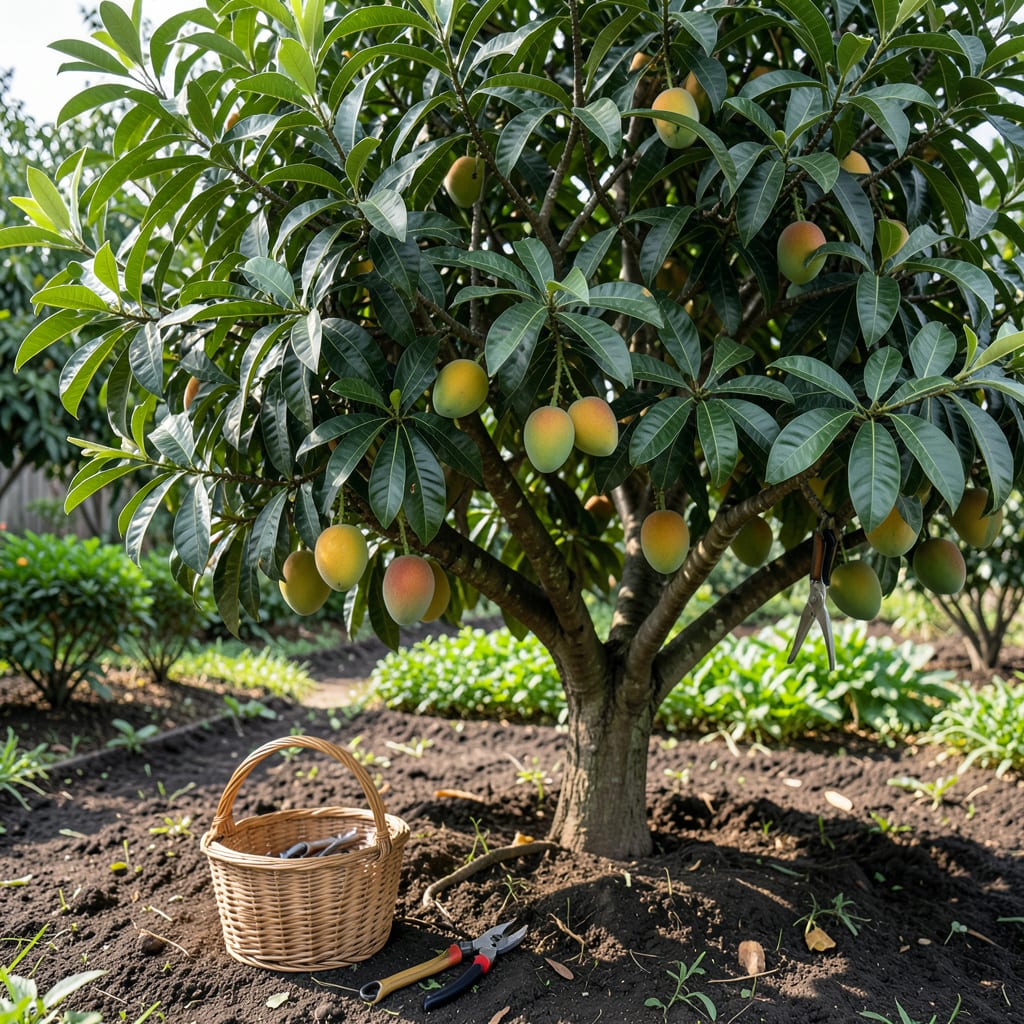
Nothing beats the taste of a perfectly ripe 🥭 Mango, but timing is everything. Picking too early means fibrous disappointment, while waiting too long risks overripeness.
I’ll show you the exact signs to look for – from color changes to that telltale sweet aroma – so you can harvest at peak flavor every time.


I’ve learned that mango ripeness isn’t just about color—it’s a multi-sensory experience. The first sign I look for is a color shift from green to yellow, orange, or red, depending on the variety.
But color alone can be misleading, especially with green-skinned varieties like Keitt. That’s why I always check for a sweet aroma at the stem end—this is nature’s way of saying it’s ready.
| Sign | Description |
|---|---|
| Color Change | Shifts to yellow, orange, or red |
| Sweet Aroma | Strong scent at stem end |
| Shoulder Touch | Slight give when pressed |
| Stem Check | Easily separates from branch |
| Days from Flower | 100-150 days depending on variety |
The shoulder touch test is my go-to method. I gently squeeze the fruit near the stem—if there’s a slight give, like an avocado, it’s ready. But be careful not to press too hard or you’ll bruise the fruit.
For Ataulfo mangoes, which stay green, I rely on the aroma test and a subtle softness at the stem. Keitt mangoes, on the other hand, turn from green to a bright yellow when ripe.
Another trick I use is checking the stem attachment. When a mango is ready to pick, the stem will separate easily from the branch with a gentle twist. If it resists, it needs more time.
Timing also depends on the variety. Alphonso mangoes typically ripen in 120-130 days after flowering, while Keitt can take up to 150 days. I keep a harvest journal to track these.
The days from flowering method works best when combined with visual cues. I start checking my trees at the 100-day mark and watch for the other signs to confirm ripeness.
Remember, mangoes ripen from the inside out. Even if the skin looks perfect, the flesh might still be green. That’s why I always use multiple indicators to be sure.
For the sweetest flavor, I pick my mangoes in the early morning when temperatures are cooler. This helps preserve the fruit’s natural sugars and freshness.
With these field-tested signs, I never have to guess when to harvest. Every mango I pick is at its peak of juicy perfection ☀️
Timing your mango harvest depends heavily on your growing zone. In tropical areas like Hawaii, mangoes ripen year-round, while subtropical regions such as Florida see peak harvests from May to July. ☀️
California growers often harvest from June to September, as cooler springs delay ripening. Young trees may take 3-5 years to bear fruit, with first harvests typically smaller and later in the season.
Weather patterns play a huge role. A warm, dry spring speeds up ripening, while cool, wet conditions can delay it by weeks. I always check the 10-day forecast before planning my harvest.
For Alphonso mangoes, popular in India and Florida, the ideal window is April to June. Keitt mangoes, common in California, often ripen later, from July to September. 🌳
If you’re growing dwarf varieties in containers, expect a slightly shorter season. These trees are more sensitive to temperature swings, so harvest when fruits show full color and a sweet aroma.
Remember, local microclimates can shift these timelines. I’ve seen trees in sheltered urban areas ripen 2-3 weeks earlier than those in windy, exposed spots. Always observe your tree’s unique signals.
I’ve seen many gardeners ruin a perfect harvest by picking mangoes at the wrong time. The biggest mistake is harvesting too early when the fruit is still hard and green. This leads to fibrous, tasteless mangoes that never ripen properly.
Another common error is waiting too long. Overripe mangoes on the tree attract pests and diseases, and the flesh can become mushy. I always check my trees daily once they start showing ripeness signs.
⚠️ Warning: Never pull mangoes from the tree. Always use pruning shears or twist gently to avoid damaging the fruit and tree.
Ignoring variety-specific cues is another pitfall. What works for Alphonso mangoes won’t work for Keitt. I research each variety in my garden to know its unique ripening signs and timeline.
Improper handling during harvest can bruise the fruit. I use a soft basket to collect mangoes and avoid stacking them. Even a small bruise can lead to premature spoilage.
Finally, many gardeners forget that mangoes continue ripening after picking. I pick mine when they’re mature but firm, then let them ripen indoors. This prevents bird damage and ensures I don’t miss the perfect window.
By avoiding these common mistakes, I enjoy a bountiful harvest of perfectly ripe mangoes every season 🌳
Check for a sweet aroma at the stem end and a slight give when gently pressed. Color changes to yellow/red also indicate ripeness.
Alphonso mangoes ripen in 120-130 days, while Keitt can take up to 150 days. Always research your specific variety.
Yes, but only if they’re mature. Green mangoes can ripen indoors if they’ve reached full size and show a sweet aroma at the stem.
Early morning is ideal. Cooler temperatures help preserve the fruit’s natural sugars and freshness.
