
Beautiful Plants For Your Interior
Beautiful Plants For Your Interior
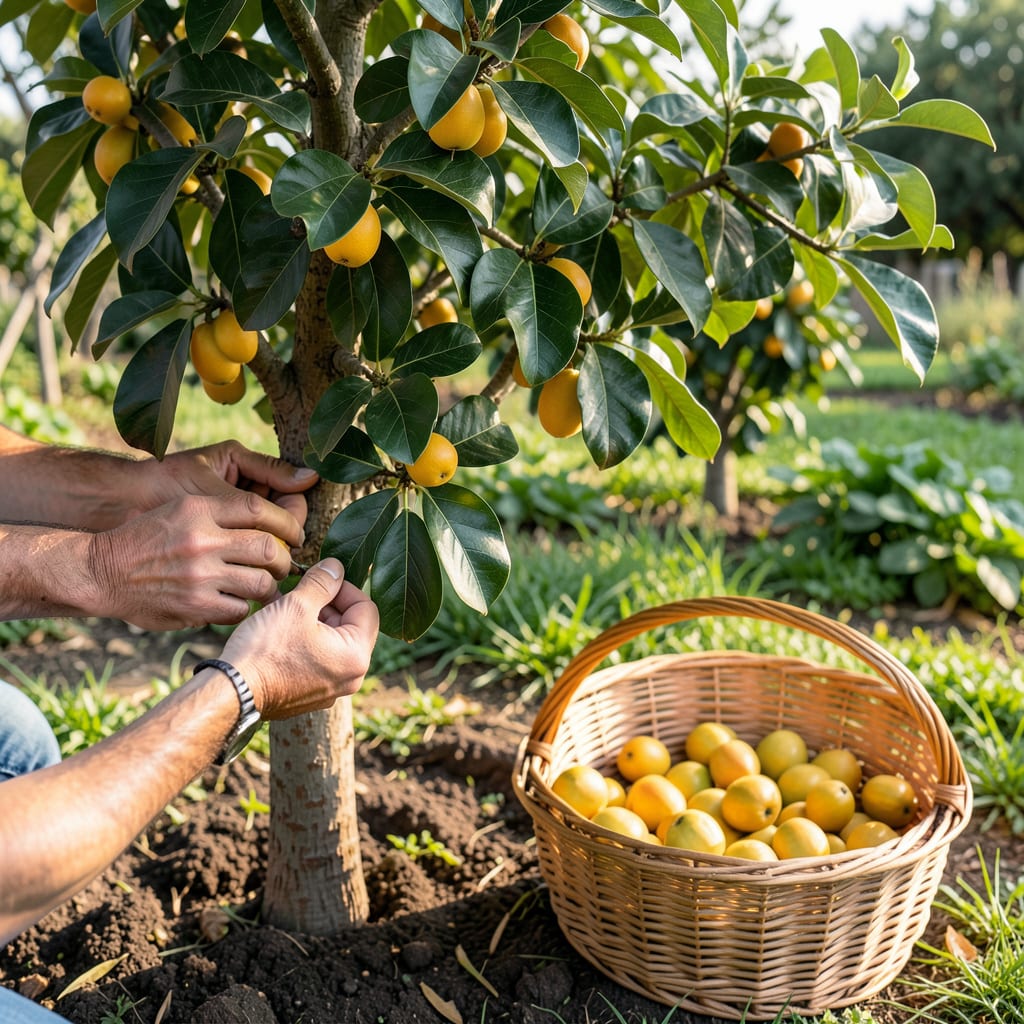
There’s nothing quite like biting into a perfectly ripe 🍈 Loquat straight from the tree. But knowing the right moment to harvest can be tricky.
I’ll show you the key signs to look for and when to pick for the sweetest flavor. With these tips, you’ll never miss that ideal harvest window again.


I always tell fellow gardeners that loquat fruit reveals its readiness through visual changes. The most obvious sign is the color shift from green to a vibrant yellow-orange hue.
This transformation typically occurs in late winter to early spring, depending on your climate. But color alone isn’t enough—you’ll want to check for other indicators too.
| Sign | Description |
|---|---|
| Color Change | Fruit turns yellow-orange from green |
| Texture | Slightly soft when gently pressed |
| Aroma | Sweet scent near the stem end |
| Seed Color | Seeds turn brown when ripe |
The texture test is my go-to method. Gently squeeze the fruit—if it gives slightly, it’s likely ready. A hard loquat needs more time, while an overly soft one may be past its prime.
Another reliable indicator is the aroma. Ripe loquats emit a sweet, tropical fragrance near the stem. If you don’t smell anything, wait a few more days.
🌳Don’t forget to check the seeds inside. When you cut open a fruit, brown seeds signal full ripeness. Green seeds mean the fruit isn’t ready yet.
In warmer climates like USDA zones 9-10, loquats may ripen earlier. Cooler areas in zone 8 might see a later harvest. Always adjust for your local conditions.
I’ve found that morning harvesting works best. The fruit is firmer, and the cool temperatures help preserve freshness. Avoid picking after rain, as wet fruit can spoil faster.
If you’re unsure, try the taste test. Sample one fruit from different parts of the tree. Consistent sweetness means the rest are likely ready too.
🌿Remember, loquats don’t ripen further once picked. So, wait for full ripeness on the tree. With these signs, you’ll harvest at the perfect moment every time.
I’ve learned that loquat harvest timing varies significantly by climate zone. In USDA zones 9-10, where winters are mild, you’ll typically start seeing ripe fruit as early as February.
For gardeners in zone 8, the harvest window shifts slightly later, usually beginning in March and extending through April. The key is monitoring your tree closely as the seasons change.
In my experience, microclimates can create variations even within the same zone. A sheltered, sunny spot might produce fruit 2-3 weeks earlier than a cooler, shadier location.
Early varieties like ‘Big Jim’ often ripen 1-2 weeks before standard types. If you’ve planted a late-bearing cultivar, expect to wait until the end of your zone’s window.
🌳I recommend starting your harvest checks about 4 weeks before your zone’s typical window. This gives you time to spot the first color changes and plan accordingly.
Remember, frost can damage developing fruit. In zone 8, a late cold snap might delay ripening. Always protect your tree if freezing temperatures are forecasted.
🌿I’ve seen many gardeners make the same picking errors with loquats. The most common is harvesting too early when fruit is still hard and green. Patience is key—wait for the full color change.
Another frequent mistake is ignoring weather conditions. Picking after heavy rain can lead to split fruit or mold. Always check the forecast first and harvest during dry spells.
I always recommend using a gentle twisting motion with a slight upward lift. This prevents stem damage and keeps the tree healthy for future harvests. Never pull forcefully.
Storage is another area where mistakes happen. Leaving loquats in direct sunlight after picking causes them to overripen quickly. Store them in a cool, shaded area instead.
Finally, don’t forget to check all branches. Loquats often ripen at different rates on the same tree. A thorough inspection ensures you don’t miss any perfectly ripe fruit hidden in the canopy.
🌿Look for a yellow-orange color and a slightly soft texture when gently pressed. A sweet aroma near the stem is another clear sign they’re ready to pick.
No, loquats often ripen at different rates. Check each fruit individually and harvest as they reach maturity. This ensures you don’t miss any at their peak.
Unripe loquats will be hard and tart. Unlike some fruits, they won’t continue ripening after being picked, so patience is key.
Avoid harvesting in wet conditions. Picking after rain increases the risk of mold or splitting. Always wait for dry weather.
