
Beautiful Plants For Your Interior
Beautiful Plants For Your Interior
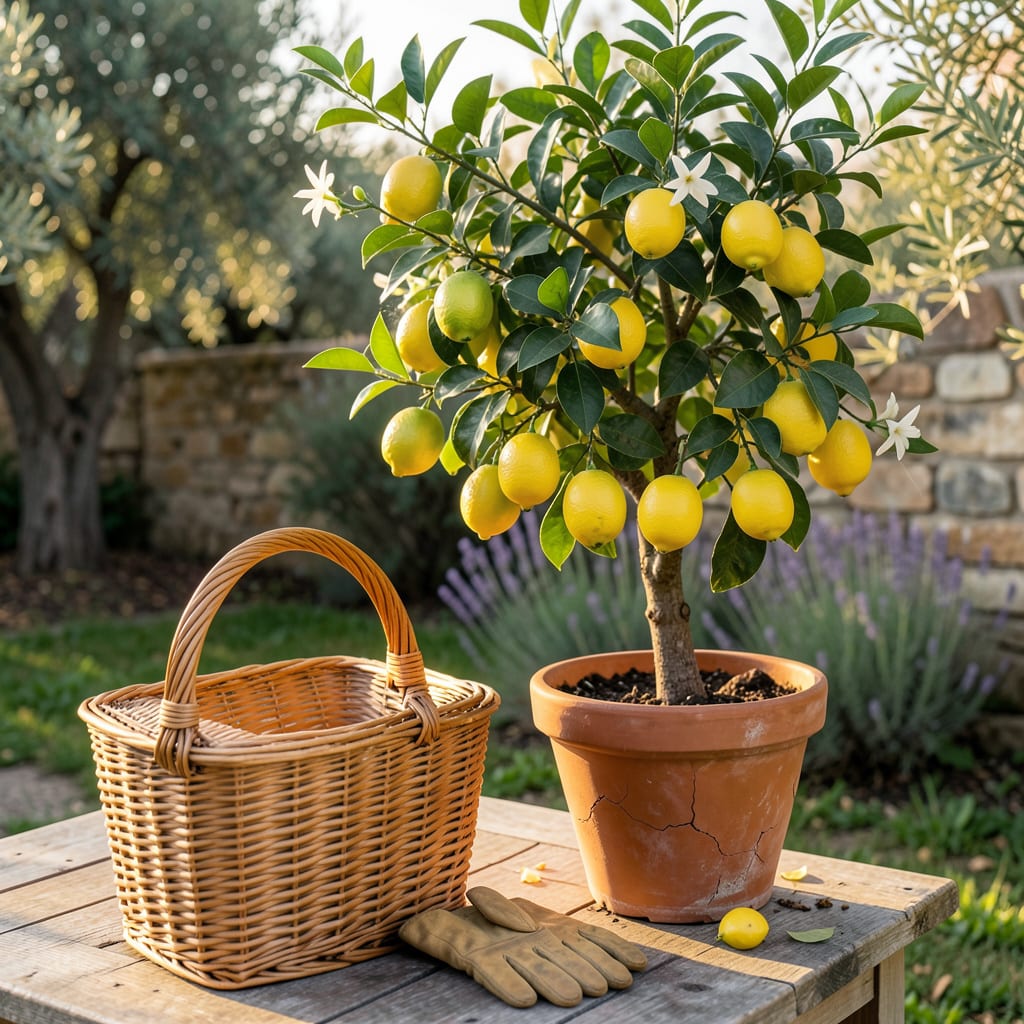
There’s nothing quite like plucking a sun-ripened lemon from your own potted tree—unless you pick it too soon. That bitter disappointment of an underripe fruit is all too real for eager gardeners. But how do you know when your 🍋 Lemon Tree is ready to deliver its juiciest, sweetest yield?
Timing makes all the difference with container-grown citrus. I’ll show you the exact signs to watch for—beyond just color—and why potted trees often march to their own harvest rhythm. Let’s make sure your next lemon is worth the wait.


Potted lemon trees don’t always follow the same rules as their in-ground cousins. The container environment can speed up or slow down ripening, making it tricky to judge perfect harvest time. I’ve learned the hard way that color alone isn’t enough—you need to check multiple signals.
Your potted lemons might ripen faster if they’re in a small container or slower if they’re root-bound. Indoor trees often take longer than outdoor ones. Let’s look at the five foolproof signs that tell you it’s time to harvest, regardless of your growing conditions.
Remember that potted lemons often ripen unevenly. I’ve had trees where one side of the fruit turns yellow while the other stays green. In these cases, check the underside of the lemon—it’s usually the last to color up.
The container size plays a big role too. Smaller pots (under 15 gallons) tend to produce fruit that ripens faster but may be smaller. Larger containers allow for more consistent ripening but require more patience. Always check multiple lemons before harvesting—what’s true for one may not be for another.
If you’re growing Meyer lemons, they’ll often have a slight orange blush when ripe. Don’t wait for them to turn completely yellow like grocery store lemons. Eureka and Lisbon varieties, however, should be uniformly yellow before picking.
Here’s a pro tip: Sample one lemon when you think they’re ready. Cut it open and taste—if it’s sweet-tart with plenty of juice, the rest are likely ready too. If it’s still puckeringly sour, give them another week or two on the tree.
The twist test is my favorite final check. Hold the lemon gently and give it a quarter-turn. If it comes off easily with just the stem attached, it’s perfect. If you have to pull hard, it needs more time. This method prevents damaging the tree or leaving fruit that isn’t quite ready.
After harvesting, your tree will start preparing for its next cycle. I always give mine a balanced citrus fertilizer about a month after harvest to encourage new growth and next season’s fruit. This is especially important for potted trees that deplete their nutrients faster than in-ground plants.
Don’t forget that indoor potted lemons might need help ripening. If your tree isn’t getting enough light, the fruit may stay green longer. In this case, supplement with a grow light for 12-14 hours daily to encourage proper ripening.
🍋Potted lemon trees don’t follow the same strict calendar as their in-ground cousins. While Meyer lemons might start ripening in late fall, Eureka varieties often peak in winter to early spring. The key? Watch your tree, not just the calendar.
Indoor potted lemons often ripen slower due to less sunlight and temperature fluctuations. If your tree lives inside, expect a 2-4 week delay compared to outdoor plants. Smaller containers also stress trees, which can speed up or slow down ripening depending on care.
| Variety | Primary Harvest Window | Potted Adjustments |
|---|---|---|
| Meyer | Nov–Mar | Indoor trees may fruit year-round |
| Eureka | Dec–May | Needs 8+ hours sun for timely ripening |
| Lisbon | Oct–Feb | Cold-sensitive; move indoors before 50°F |
*Adjust for your USDA zone—cooler climates may shift windows later.
In warmer climates (Zones 9-11), outdoor potted lemons often produce two harvests annually—a main crop and a smaller summer batch. But in cooler regions, you’ll likely get one concentrated harvest. I’ve found Meyer lemons are most forgiving for indoor growers.
Container size dramatically impacts ripening. Trees in 5-gallon pots may produce fruit faster but in smaller batches, while 15-gallon containers yield more lemons but take longer to ripen. Pro tip: Rotate pots weekly so all sides get sun—this prevents lopsided ripening.
If you’re growing lemons indoors under grow lights, add 2-3 weeks to the typical harvest window. These trees need 12-14 hours of light daily to ripen properly. I use a timer to maintain consistency, which helps prevent green-but-falling fruit (a classic indoor grower frustration).
After harvesting, give your tree a balanced citrus fertilizer to prep for the next cycle. Reduce watering slightly for 6 weeks post-harvest—this mimics natural dormancy and encourages better flowering next season. And remember: lemon trees can hold fruit for months, so don’t rush! ✂️
Timing your lemon harvest is like walking a tightrope—pick too soon and you’ll get mouth-puckering sourness, wait too long and you might find dry, mealy fruit. I’ve made both mistakes, and let me tell you, neither leads to good lemonade or happy baking adventures.
When you harvest underripe lemons, they’ll be hard as golf balls with minimal juice and maximum bitterness. The skin will be thick and difficult to zest, and the flavor will be more acidic than balanced. Worse yet, picking too early can signal the tree to produce fewer flowers next season.
*Overripe lemons can still be used for zesting or cleaning solutions!
If you’ve already picked green lemons, don’t despair. Try the paper bag trick: place them in a bag with a ripe banana or apple. The ethylene gas will help them turn yellow and develop some sweetness over 5-7 days. They won’t be as good as tree-ripened, but they’ll improve.
For overripe lemons that are still firm, I love using them for preserved lemons or making lemon-infused vinegar for cleaning. The thick skins actually work better for these purposes! If they’ve started fermenting, compost them—they’ll make excellent fertilizer for your next citrus crop.
Here’s something most gardeners don’t realize: lemon trees can reabsorb nutrients from overripe fruit still on the branch. If you notice lemons that are clearly past their prime but still hanging, remove them promptly. This prevents the tree from wasting energy and encourages new fruit production for next season.
🌿Most potted lemons need 6-9 months from flower to harvest. Meyer lemons often ripen faster (4-6 months), while standard varieties like Eureka take longer. Indoor trees may add 2-4 weeks due to lower light levels.
This usually means the tree is stressed—common causes include inconsistent watering, sudden temperature drops, or nutrient deficiencies. Check your care routine: potted lemons need even moisture and temperatures above 50°F.
Yes! Move your tree to a sunnier spot (or add grow lights for 12+ hours daily). Reduce nitrogen fertilizer—too much encourages leaves over fruit. For stubborn green lemons, try the paper bag trick with an apple after picking.
They’ll change color but won’t sweeten much off the tree. For best flavor, leave them until fully ripe (bright yellow, slight give). If you must pick early, use them for zesting or preserved lemons—their rinds still pack flavor!
Check weekly once fruits start coloring. Harvest only ripe lemons—leaving some on the tree won’t hurt and may extend your season. Most potted trees produce 2-3 harvests yearly if cared for properly.
