
Beautiful Plants For Your Interior
Beautiful Plants For Your Interior
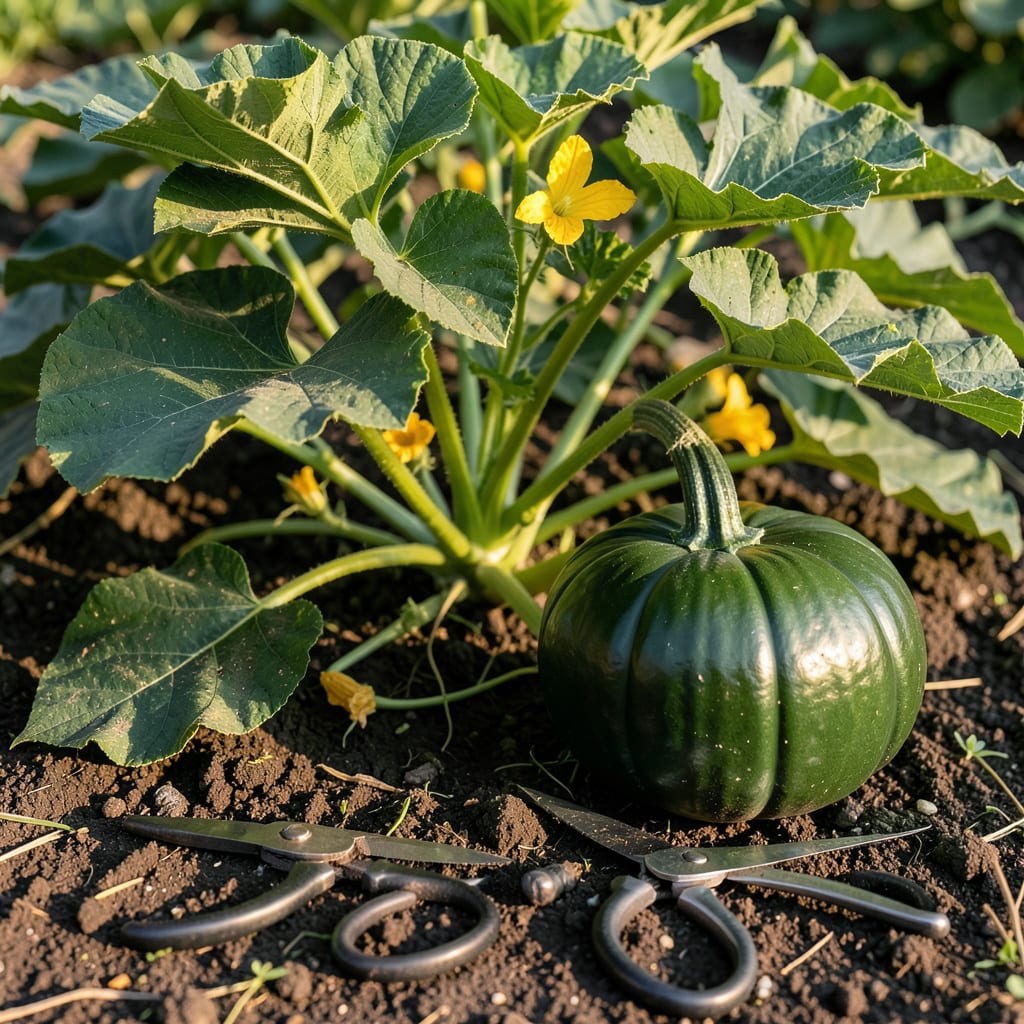
I remember the first time I picked a Kabocha Squash 🎃 too early – what a letdown. That hardy winter squash had all the potential for sweet, nutty goodness, but I missed the signs.
Let me show you how to spot the subtle clues that signal your squash is ready. From stem dryness to rind color, these indicators ensure you’ll never harvest too soon or too late again.


I’ve found that Kabocha Squash gives clear signals when it’s time to pick. The most obvious is the rind color change from bright green to a deep, dull green or even orange-brown hue.
The stem transformation is another dead giveaway. As the squash matures, the stem hardens and turns from green to brown and woody. This change is crucial for long-term storage potential.
| Sign | Ready Indicator | Not Ready Sign |
|---|---|---|
| Rind Color | Dull green/orange | Shiny bright green |
| Stem Condition | Dry and woody | Green and flexible |
| Skin Texture | Hard and firm | Soft and punctureable |
| Vine Leaves | Yellowing or dead | Green and healthy |
The skin texture becomes another reliable indicator. When ready, the rind should be so hard that your fingernail can’t puncture it. This hardness protects the squash during storage.
I also watch the vine leaves closely. As the squash matures, the leaves nearest to it will start to yellow and die back. This is nature’s way of redirecting energy to the fruit.
Don’t overlook the weight test. A ripe Kabocha will feel heavy for its size, indicating dense, developed flesh inside. Compare similar-sized squashes to gauge this properly.
The sound test works surprisingly well too. Gently tap the squash – a ripe one will produce a hollow sound, while an unripe one will sound solid.
Remember that size isn’t everything. While Kabocha typically reach 2-3 pounds at maturity, some varieties may be larger or smaller. Focus more on the other signs.
For best flavor development, I recommend leaving the squash on the vine as long as possible until these signs appear. The first light frost can actually enhance sweetness.
If you’re in a region with early frosts, watch the weather forecast. A light frost won’t hurt, but a hard freeze can damage the squash. In this case, harvest before the freeze hits.
These visual cues work together to tell you when your Kabocha Squash is at peak ripeness for the best flavor and longest storage life 🌱
I always use the nail test first when checking Kabocha Squash ripeness. Press your fingernail into the rind – if it resists puncturing, the squash is likely ready for harvest.
The tapping method is another favorite. Gently knock on the squash with your knuckles. A ripe one will produce a hollow sound, while an unripe squash will sound solid.
Avoid the common mistake of harvesting based on size alone. Some varieties may be smaller or larger than the typical 2-3 pounds, but ripeness is about more than dimensions.
I’ve found that morning harvesting works best. The squash is at its coolest, and the plants are less stressed, which helps maintain quality during storage.
These non-destructive tests give me confidence I’m picking at the perfect time for maximum flavor and storage life 🌿
Picking Kabocha Squash too early results in bland flavor and poor texture. The flesh won’t have developed its signature sweet, nutty taste that makes this variety so special.
An underripe squash also has a shorter storage life. The soft rind is more susceptible to bruising and rot during storage, meaning you’ll lose your harvest faster than expected.
On the other hand, leaving Kabocha Squash too long can cause over-ripening. The flesh may become stringy or mealy, losing that perfect balance of sweetness and firmness we love.
I’ve learned that seed viability is another concern. If you plan to save seeds, picking too early means the seeds inside won’t be mature enough to germinate next season.
To salvage an early harvest, I cure the squash in a warm, dry place for about 10 days. This can help develop some sweetness and harden the rind, though it won’t match vine-ripened flavor 🌱
Press your fingernail into the rind. If it resists puncturing and feels hard, it’s ready. A soft rind means it needs more time on the vine.
A light frost can actually enhance sweetness, but a hard freeze will damage the squash. Harvest before a hard freeze to protect your crop.
Not always. While most reach 2-3 pounds, focus on rind hardness, stem dryness, and color changes instead of size alone.
Underripe squash will have bland flavor and poor texture. You can try curing it in a warm, dry place for 10 days to improve sweetness.
