
Beautiful Plants For Your Interior
Beautiful Plants For Your Interior
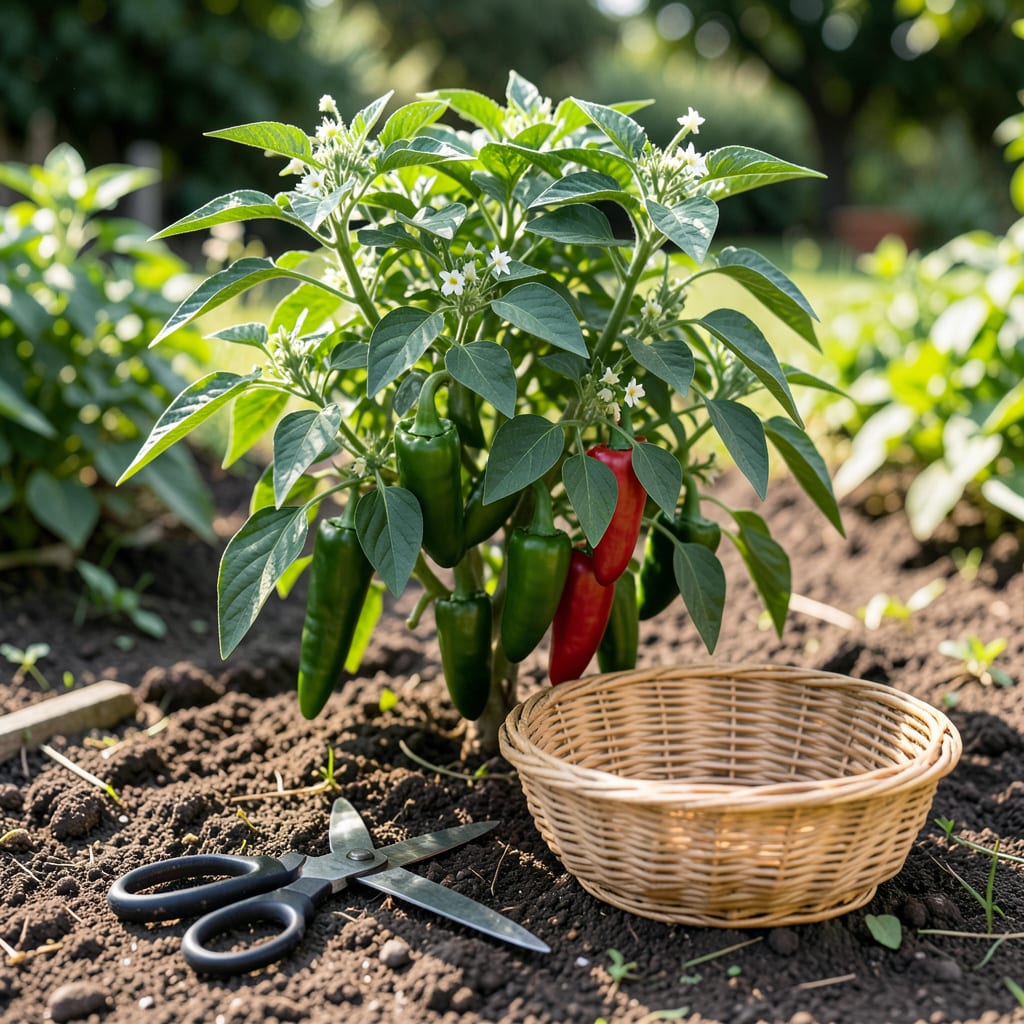
Ever wonder why some homegrown Jalapeño Peppers pack perfect flavor while others fall flat? Timing is everything when it comes to harvesting these fiery favorites.
I’ll show you how to spot the telltale signs of ripeness—from color to texture—so you can pick your 🌶️ Jalapeño Pepper at its peak. Let’s make every harvest count.


I always check for visual cues first when determining if my jalapeños are ready. The most obvious sign is color change—most varieties start deep green and may turn red when fully mature.
Size matters too. A ripe jalapeño typically measures 2-3 inches long and feels firm to the touch. The skin should have a glossy appearance, indicating peak freshness.
| Sign | Description |
|---|---|
| Color | Deep green or red |
| Size | 2-3 inches long |
| Texture | Firm and glossy |
| Stem | Woody and snaps easily |
The firmness test is crucial. Gently squeeze the pepper—it should feel solid with no give. If it feels soft or wrinkled, it’s either overripe or underwatered.
Another indicator is the stem condition. A ripe jalapeño will have a woody stem that snaps cleanly when bent. If the stem bends without breaking, the pepper isn’t ready yet.
I’ve found that glossy skin is a great sign of ripeness. Dull or matte skin often means the pepper is either immature or past its prime. Always check in morning light for the best visibility.
Remember, harvesting early gives you milder flavor, while waiting for red jalapeños delivers more heat. The choice depends on your taste preference and how you plan to use them.
For continuous production, I pick peppers regularly. This encourages the plant to produce more. Leaving overripe peppers on the vine can signal the plant to stop producing new ones.
If you’re unsure, try the “snap test”. Gently bend the pepper—if it snaps off easily, it’s ready. If it resists, give it a few more days to mature.
Finally, always use sharp pruners or scissors to avoid damaging the plant. Pulling peppers by hand can sometimes harm the stems or branches, reducing future yields.
With these signs in mind, you’ll never wonder about the perfect picking time again. Happy harvesting! 🌱
I’ve learned that harvest timing dramatically changes your jalapeño’s heat level and flavor profile. Picking early gives you milder peppers with a fresh, grassy taste.
Waiting until they turn bright red increases capsaicin levels, making them hotter and sweeter. The longer they stay on the vine, the more complex flavors develop.
The Scoville scale measures heat, and jalapeños range from 2,500-8,000 SHU. Green ones are at the lower end, while red ones can reach the higher range.
I prefer harvesting at the green stage for fresh eating, as they’re crisp and mild. For cooking or drying, I’ll wait for the red stage when they develop full heat.
The plant’s energy also shifts. Early picking encourages more production, while leaving peppers to ripen fully may slow new growth. Balance is key for a continuous harvest.
Remember, environmental factors like sunlight and water stress can increase capsaicin. Consistent care leads to predictable heat levels in your harvest. ☀️
I’ve seen many gardeners make the mistake of picking too early, which results in small, underdeveloped jalapeños. These peppers lack the full flavor and heat potential of mature ones.
Another common error is waiting too long. Overripe jalapeños can become soft and wrinkled, losing their crisp texture and developing an overly intense heat that might be unpleasant.
⚠️ Warning: Avoid using dull tools when harvesting. Tearing the stem can damage the plant and reduce future yields. Always use clean, sharp pruners or scissors.
Using the wrong tools can harm both the pepper and the plant. I always use sharp pruners to make clean cuts, which helps prevent disease and plant stress.
Some gardeners forget to check the stem. A ripe jalapeño should have a woody stem that snaps easily. If it bends without breaking, the pepper isn’t ready for harvest.
Lastly, neglecting regular harvests can signal the plant to stop producing. I pick my jalapeños every few days during peak season to encourage continuous production and a steady supply. ✂️
If it’s under 2 inches long, it’s not ready. Wait until it reaches 2-3 inches for full flavor and proper development. Picking too early results in a mild, underwhelming taste.
Yes! Green jalapeños are milder, while red ones have developed more capsaicin, making them hotter. The longer they stay on the vine, the spicier they become.
No. Soft or wrinkled skin means they’re overripe. Pick them when they’re firm and glossy for the best texture and flavor. Overripe peppers lose crispness.
Check every 2-3 days during peak season. Regular harvesting encourages the plant to produce more and prevents overripening. Consistency is key!
