
Beautiful Plants For Your Interior
Beautiful Plants For Your Interior
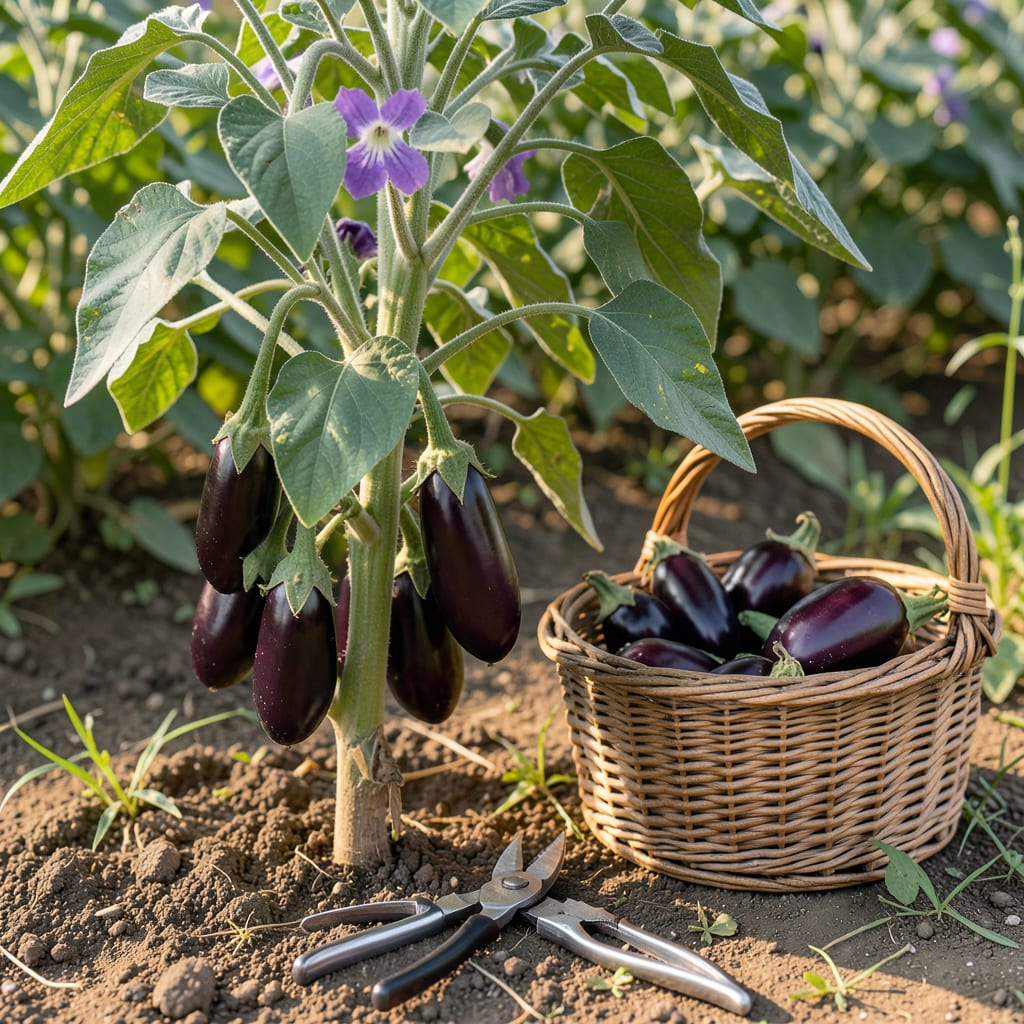
Timing your harvest perfectly can transform your 🍆 Eggplant from bitter to brilliant. Ichiban varieties grow fast, and missing the right moment can leave you with seedy, tough fruits.
I’ll show you how to spot the glossy skin and ideal size that signal peak ripeness. With these simple cues, you’ll enjoy tender, flavorful eggplants every time.


Ichiban eggplants are ready when their deep purple skin develops a glossy sheen. This visual cue means the fruit has reached peak ripeness and will offer the best flavor and texture.
I always check for a firm texture when gently pressed. If the fruit gives slightly but bounces back, it’s perfect for picking. Size matters too—6-8 inches long is ideal for Ichiban varieties.
| Harvest Indicator | Optimal Condition |
|---|---|
| Skin Appearance | Glossy and deep purple |
| Firmness | Firm to gentle pressure |
| Size | 6-8 inches long |
| Stem Condition | Green and fresh-looking |
The stem color is another telltale sign. A green stem indicates the eggplant is still actively growing. If the stem turns brown or woody, you’ve waited too long.
I avoid harvesting when the skin looks dull or matte. This usually means the fruit is either underripe or overripe. The glossy finish is your best indicator of perfect ripeness.
Another trick I use is the thumbnail test. Gently press your thumbnail into the skin. If it leaves a slight indentation that springs back, the eggplant is ready.
Ichiban eggplants grow quickly, so I check my plants every 2-3 days during peak season. Missing the window by even a few days can result in bitter, seedy fruits.
The color consistency is crucial. The entire fruit should be a uniform, deep purple. Any green streaks or patches mean it needs more time on the vine.
I also pay attention to the weight of the fruit. A ripe Ichiban eggplant will feel heavier than it looks, indicating juicy, flavorful flesh inside.
Harvest in the morning when temperatures are cooler. This helps preserve the fruit’s firmness and flavor. Use pruning shears or a sharp knife to avoid damaging the plant.
Harvesting Ichiban eggplants too early results in bitter, underdeveloped fruits. I’ve learned that patience is key—wait for that glossy skin and firm texture to avoid disappointment.
Leaving eggplants on the vine too long leads to seedy, tough flesh. Once the skin dulls or the stem browns, the fruit has passed its prime and flavor suffers.
Using dull tools can damage the plant and reduce future yields. Always use sharp pruning shears or a clean knife to snip the stem cleanly.
I never pull eggplants off by hand, as this can tear the plant and harm its ability to produce more fruit. A gentle twist with support at the base is safer if tools aren’t available.
Harvesting during the hottest part of the day can cause the fruits to wilt or lose firmness. I always pick in the early morning when the plants are hydrated and cool.
Ignoring size guidelines is another common error. Ichiban eggplants smaller than 6 inches may not be fully ripe, while those over 8 inches often become bitter and seedy.
Finally, I check the entire plant regularly. Ichiban varieties produce abundantly, and missing a few days can mean losing multiple fruits to overripening or pests. ☀️
Ichiban eggplants grow so quickly that I check my plants every 2-3 days during peak season. This frequent monitoring prevents overripening and ensures I catch each fruit at its prime.
Harvesting regularly also stimulates the plant to produce more fruits. I’ve noticed that consistent picking keeps my Ichiban plants productive throughout the growing season.
During hot summer months, I increase my checks to daily if possible. The heat accelerates ripening, and eggplants can go from perfect to overripe in just a day or two.
I always harvest in the morning when the fruits are firm and cool. This timing helps preserve their texture and flavor, especially important for Ichiban varieties.
If I notice the plant is stressed or producing fewer fruits, I may extend the interval slightly. However, I never go more than 5 days without checking during active growth periods. ☀️
Harvest when they reach 6-8 inches long. This size ensures optimal flavor and texture. Smaller ones may taste bitter, while larger fruits often become seedy and tough.
Look for dull skin or a brown, woody stem. Overripe eggplants feel soft or spongy and develop a bitter taste. The glossy sheen disappears as they pass their prime.
Yes! Picking in the early morning preserves firmness and flavor. The cooler temperatures help maintain quality. Avoid harvesting during the hottest part of the day.
Inspect every 2-3 days during peak season. Ichiban varieties grow quickly, and frequent checks prevent missing the perfect harvest window. In hot weather, daily checks may be needed.
