
Beautiful Plants For Your Interior
Beautiful Plants For Your Interior
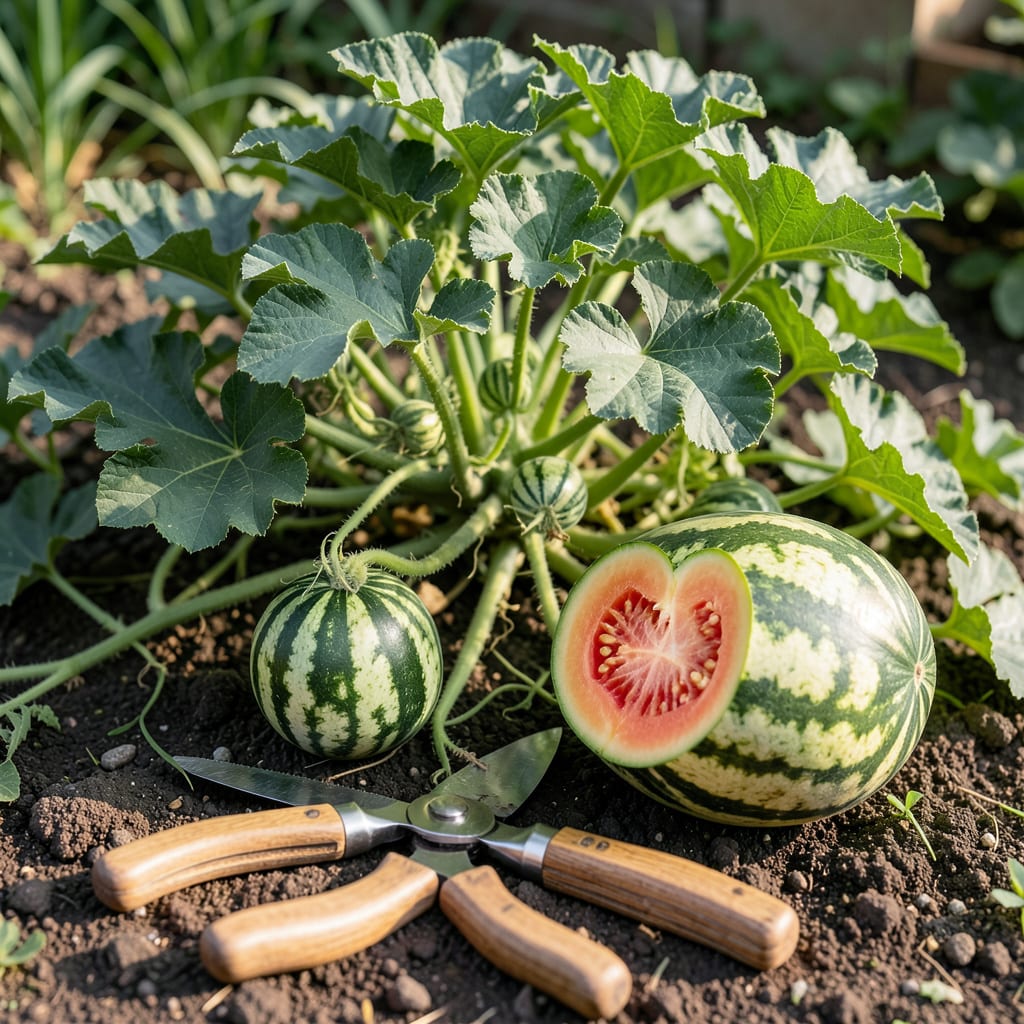
Nothing beats the satisfaction of harvesting a perfectly ripe Icebox Watermelon 🍉 at just the right moment. Timing is everything with this variety, and missing the sweet spot can leave you with underwhelming results.
I’ll show you the key visual cues and simple tests to determine ripeness with confidence. Whether you’re a first-time grower or seasoned gardener, these tips will ensure your harvest is always at its peak.


As a gardener, I always watch for the first visual signs of ripeness in my Icebox Watermelons. The most telling indicator is the tendril near the stem turning from green to brown. This small but crucial change signals that the melon is nearing its peak. 🌱
Another clear sign is the underside color shift. When the spot where the melon rests on the ground changes from pale white to a creamy yellow, it’s a strong indication that harvesting time is near. This is often called the “ground spot” and is a reliable visual cue. 🌿
| Ripeness Indicator | Unripe Sign | Ripe Sign |
|---|---|---|
| Tendril Color | Green | Brown |
| Ground Spot | White or pale | Creamy yellow |
| Rind Appearance | Shiny and smooth | Dull and firm |
I also pay attention to the rind’s overall appearance. An unripe melon typically has a shiny, smooth surface, while a ripe one develops a dull, slightly rough texture. This change happens as the sugars inside develop and the skin toughens up. ✂️
The color of the rind itself can offer clues too. For Icebox watermelons, the green color often deepens slightly as it ripens. However, this can vary by variety, so I always combine this with other indicators for the most accurate assessment.
I’ve found that these visual cues work best together. While one sign might be misleading on its own, when I see the tendril turning brown, a yellow ground spot, and a dull rind all at once, I can be confident my melon is ready. 🌱
Remember that climate and growing conditions can affect these signs. In hotter climates, melons may ripen faster, while in cooler areas, they might take a bit longer. I always adjust my expectations based on my local weather patterns.
Another helpful tip is to compare melons on the same vine. If most are showing ripe signs but one isn’t, it’s often best to leave that one a little longer. Icebox watermelons don’t all ripen at exactly the same time, even on the same plant. 🌿
The size of the melon can also indicate readiness. Icebox watermelons typically reach 6-8 inches in diameter when ripe. If they’re still growing significantly, they’re likely not ready yet. However, size alone isn’t enough – always check the other signs too.
I make it a habit to check my melons daily as they approach maturity. The transition from unripe to perfectly ripe can happen quickly, sometimes overnight. By keeping a close eye on these visual indicators, I ensure I never miss that perfect harvest window. 🪴
I always use the thump test as my go-to method for checking Icebox Watermelon ripeness. Gently tap the melon with your knuckles and listen for a deep, hollow sound. This indicates the interior is full of juice and ready. 🌱
A high-pitched or metallic sound means the melon isn’t ripe yet. For best results, I compare several melons on the same vine to train my ear. With practice, you’ll notice the difference clearly. 🌿
The blossom end (opposite the stem) offers another tactile clue. When ripe, this spot should yield slightly to gentle pressure, unlike the firm feel of an unripe melon. ✂️
I also examine the stem connection. As the melon ripens, the stem begins to dry out and detach from the vine. If it’s still green and firmly attached, the melon needs more time.
For Icebox Watermelons, I combine the thump test with the visual cues we discussed earlier. When the tendril is brown, the ground spot is yellow, and the thump sounds hollow, I know it’s harvest time. 🌱
Remember that temperature affects the thump. On very hot days, even ripe melons might sound different. I prefer to test in the early morning when temperatures are cooler and more consistent.
I’ve learned through experience that picking too early is the most common mistake with Icebox Watermelons. Many gardeners get impatient and harvest at the first sign of color change, but this often results in underripe fruit. 🌱
Another frequent error is waiting too long after all ripeness signs appear. Overripe melons can become mushy or split open, wasting all your hard work. The window for perfect ripeness is often just 2-3 days. 🌿
Picking too early: Results in bland, underripe fruit with poor texture
Waiting too long: Leads to mushy or split melons that don’t store well
Ignoring weather: Hot days can speed ripening, requiring more frequent checks
Mishandling the vine during harvest can also cause problems. I always use clean, sharp pruners to cut the stem, leaving about 2 inches attached to the melon to prevent rot. ✂️
Some gardeners make the mistake of only checking the largest melons. In reality, Icebox Watermelons often ripen at different rates, so I examine each one individually as they approach maturity.
I’ve found that inconsistent watering near harvest time can affect ripeness signs. I maintain regular watering until the final week, then reduce slightly to concentrate the sugars. This helps ensure accurate ripeness indicators. 🪴
Wait a few more days. The tendril turning brown is the most reliable sign, so hold off until both the tendril and ground spot confirm ripeness.
Yes, but wait until the rind is dry. Wet melons can develop mold or rot, and the thump test may sound different when damp.
Keep them at room temperature for 1-2 weeks or refrigerate after cutting. Uncut melons ripen no further once picked.
This often means it’s overripe. Check for splitting or soft spots, and harvest immediately if present.
