
Beautiful Plants For Your Interior
Beautiful Plants For Your Interior
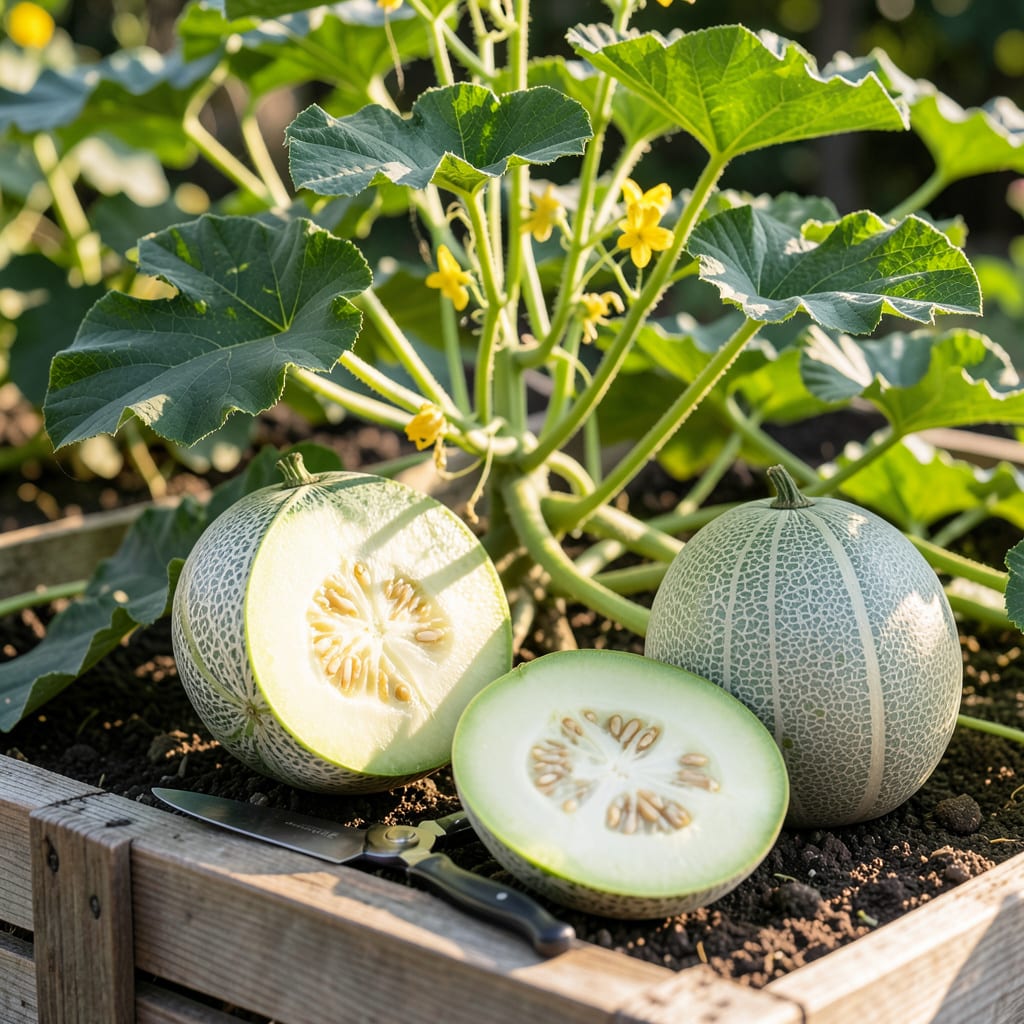
I remember the first time I picked a Honeydew Melon 🍈 too early—it was a flavorless disappointment. Getting the timing right makes all the difference between sweet perfection and a bland letdown.
There are clear signs to watch for that will tell you exactly when your melon is ready. I’ll show you how to spot them so you never miss that perfect harvest window again.


I’ve learned that the stem slip method is the most reliable way to know when your honeydew melons are ready. When the fruit is ripe, the stem will easily detach from the vine with just a gentle tug.
If the stem doesn’t come off easily, the melon isn’t ready yet. This is called full slip, and it’s a sure sign that the sugars inside have fully developed for that perfect sweetness. 🌱
| Sign | What to Look For |
|---|---|
| Stem Slip | Stem detaches easily from vine |
| Rind Color | Turns from green to cream or yellow |
| Texture | Veined appearance on the skin |
| Scent | Sweet aroma at stem end |
The rind color is another key indicator. As honeydew melons mature, their skin transitions from a bright green to a softer cream or pale yellow hue. This change is gradual, so check your melons daily as they approach ripeness.
You’ll also notice a veined appearance on the skin, which becomes more pronounced. This netting effect is a visual cue that the melon is nearing its peak. The veins should look raised and well-defined. 🌿
Don’t overlook the blossom end of the melon. Gently press on the opposite side of the stem—if it gives slightly under pressure, the fruit is likely ripe. This is called the soft blossom end test.
The scent test is my favorite for confirming ripeness. A mature honeydew will emit a sweet, floral aroma at the stem end. If you don’t smell anything, it’s not ready yet. This scent is strongest in the morning.
Weather plays a role too. In hotter climates, honeydews may ripen faster, so check them daily once they start changing color. In cooler areas, the process slows, so be patient and rely on the visual and tactile signs.
I always recommend using multiple indicators together for the best results. Relying on just one can lead to mistakes. For example, a melon might have the right color but not the right scent or stem slip. ✂️
Finally, remember that honeydew melons don’t continue to ripen after picking like some other fruits. Once they’re off the vine, their sugar content won’t increase, so timing your harvest is critical for the best flavor.
I’ve seen many gardeners make the same harvesting mistakes with honeydew melons. The most common is relying on size alone to judge ripeness, which can lead to picking too early.
Another error is ignoring weather conditions. Harvesting after heavy rain can dilute the sugar content, reducing sweetness. Always check the stem slip and rind color first.
⚠️ Avoid These Harvesting Pitfalls
Don’t pick honeydew melons based on size alone. Ignoring the stem slip or rind color can result in underripe fruit. Also, avoid harvesting immediately after rain to prevent diluted sweetness.
Some gardeners also harvest too late, waiting for the melon to detach completely. This can lead to overripeness and a mushy texture. The full slip stage is ideal, but a partial slip can still yield a sweet melon.
Always check the blossom end for softness. If it’s too firm, the melon isn’t ready. If it’s too soft, you’ve waited too long. A gentle press should give slightly.
Another mistake is not considering the vine’s health. A stressed vine can produce unevenly ripe fruit. Ensure your plants are well-watered and nourished throughout the growing season.
Finally, don’t forget to use all your senses. The sweet aroma at the stem end is a great indicator of ripeness. If it smells fresh and sweet, it’s likely ready to pick.
By avoiding these common pitfalls, you’ll consistently harvest honeydew melons at their peak of sweetness and flavor 🌱
Once you’ve picked your honeydew melons, proper handling is key to preserving their sweetness and texture. Unlike some fruits, honeydews don’t ripen further after harvest, so timing and care matter.
Store them at room temperature for a day or two to let any residual ethylene gas enhance their flavor. After that, move them to the refrigerator to slow ripening and extend freshness.
If you accidentally pick a melon slightly early, place it in a paper bag with a ripe banana or apple. The ethylene gas from these fruits can help soften it a bit, though it won’t increase sugar content.
For best results, eat your honeydew within 5-7 days of harvest. The flavor and texture peak quickly, so don’t wait too long. Cut melons should be stored in an airtight container in the fridge.
I always recommend tasting your honeydew at room temperature for the best flavor experience. Cold can mute the sweetness, so let it sit out for 20-30 minutes after refrigeration before serving. 🌿
A ripe honeydew has a stem that detaches easily from the vine with gentle pressure. This is called full slip and indicates the sugars have fully developed. If the stem resists, it’s not ready yet.
No, green rinds mean the melon isn’t ripe. Wait until the skin turns to a cream or pale yellow color. A green honeydew will lack sweetness and proper texture. Check daily as the color begins to change.
Overripe honeydews often have a mushy texture at the blossom end. The stem may detach completely, and the scent might turn fermented. Harvest at full slip stage for the best flavor and texture.
Yes! In hotter climates, honeydews ripen faster, so check them daily. In cooler areas, the process slows down. Always avoid harvesting immediately after heavy rain, as it can dilute the sweetness.
