
Beautiful Plants For Your Interior
Beautiful Plants For Your Interior
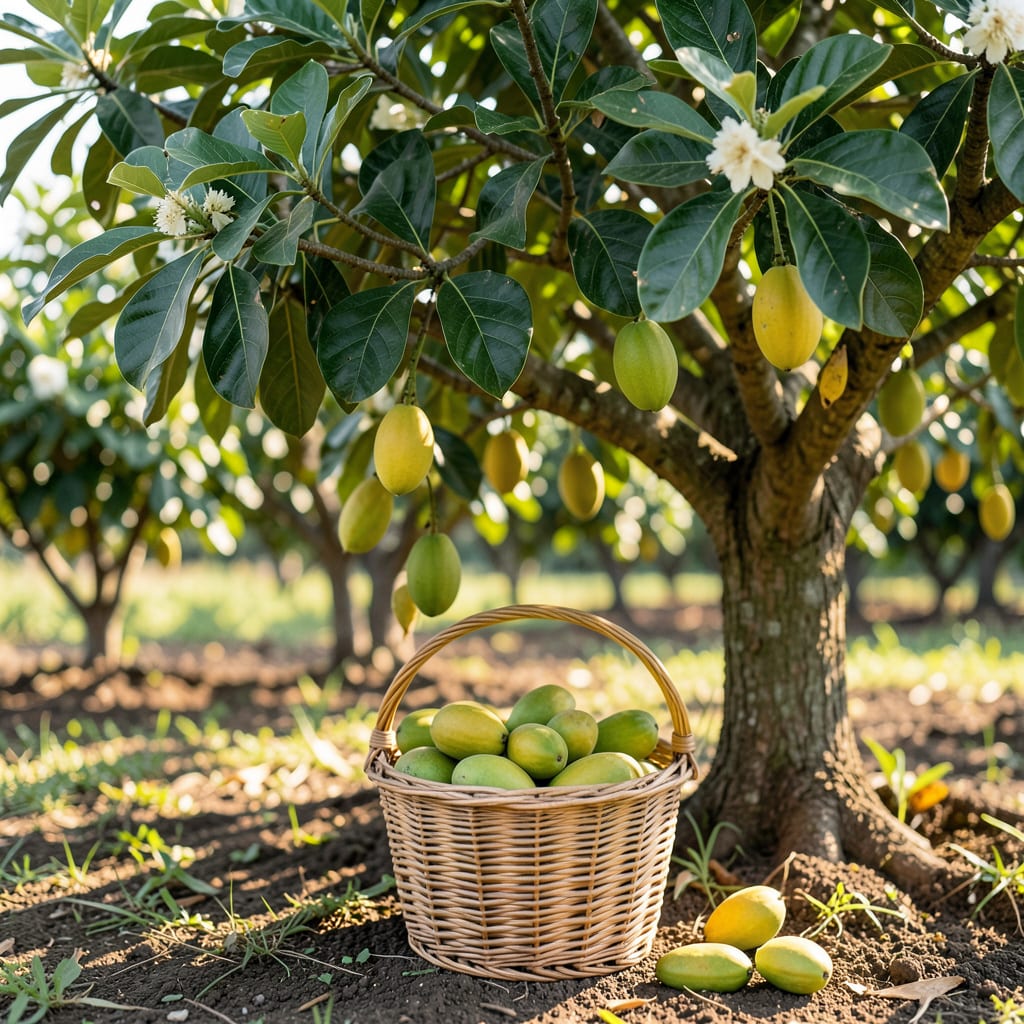
Nothing beats the taste of a perfectly ripe 🍈 guava picked at just the right moment. But how do you know when that moment arrives?
I’ll share the subtle color, scent, and texture signs that reveal your guava is ready to harvest. These clues ensure you enjoy the sweetest, most flavorful fruit every time.


Timing your guava harvest perfectly starts with watching the fruit’s color. Most varieties transition from deep green to a yellowish-green or light pink hue as they ripen. This change is gradual, so check daily once the fruit nears maturity.
The texture is another key indicator. A ripe guava will yield slightly to gentle pressure, similar to a soft avocado. If it’s rock-hard, it’s not ready. If it’s mushy, you’ve waited too long.
| Ripeness Sign | What to Look For |
|---|---|
| Color Change | Green to yellow or light pink |
| Texture | Slightly soft to touch |
| Seed Color | Dark brown or black |
| Aroma | Strong, sweet fragrance |
Different guava varieties have slightly different ripening signs. For example, white guava often turns pale yellow, while pink guava may develop a blush. Always research your specific variety for the most accurate indicators.
I recommend checking the seed cavity too. When you cut open a guava, the seeds should be dark and fully formed. White or light-colored seeds typically mean the fruit isn’t ripe yet.
The fruit’s weight can also be a clue. A ripe guava will feel heavier for its size due to increased juice content. Compare similar-sized fruits to gauge this difference.
Remember that climate affects ripening. In warmer zones (9-11), guavas may ripen faster. Cooler temperatures can slow the process, so adjust your expectations based on your local conditions.
For the most accurate results, combine multiple indicators. A guava that’s changed color, feels slightly soft, and has a strong aroma is almost certainly ready to pick. Trust your senses—they’re your best tools in the garden.
My pro tip: harvest in the morning when temperatures are cooler. This helps preserve the fruit’s freshness and flavor during the picking process.
With these visual and tactile cues, you’ll never wonder when to pick guava again. Happy harvesting! 🌳
While color and texture are obvious signs, I’ve found that scent and sound can be even more telling. A ripe guava emits a strong, sweet fragrance that you can detect from a few feet away. This aroma intensifies as the fruit matures, making it a reliable indicator of readiness.
Another trick I swear by is the tap test. Gently tap the fruit with your knuckle—a ripe guava produces a hollow sound, while an unripe one sounds solid. Combining these methods with visual cues ensures you never miss the perfect harvest window.
🌱 Key Takeaway
A strong sweet scent and hollow sound when tapped signal a ripe guava. These clues work best alongside color changes and slight softness.
I always check for scent first, especially with white guava varieties, which can be trickier to judge by color alone. If the fruit smells faint or green, it’s not ready. But if it perfumes the air around your garden, it’s time to harvest.
The sound test is particularly useful for pink guava. Since their color can vary, tapping helps confirm ripeness. A dull thud means the fruit is still firm inside, while a clear, hollow echo indicates juicy, ripe flesh.
For the best results, I combine all these methods. Start with color and texture, then confirm with scent and sound. This multi-sensory approach guarantees you’ll pick guava at its peak every time.
Remember, early morning is the best time to harvest. The fruit is cooler and firmer, making it easier to handle without bruising. Plus, the scent is often strongest after the dew has dried.
☀️Harvesting guava too early is a common mistake that leaves you with hard, sour fruit. I’ve learned that patience is key—wait for the color change and sweet aroma before picking. Rushing the process often ruins the flavor.
On the flip side, leaving guava too long on the tree can lead to overripe, mushy fruit. Once the fruit softens beyond a gentle give, it’s past its prime. Check daily as the harvest window approaches to avoid missing it.
⚠️ Warning
Avoid pulling guava directly from the branch. Instead, use a twist-and-pull method to prevent damaging the tree or fruit.
Another mistake I see often is ignoring the weather. Harvesting in peak heat can cause the fruit to spoil faster. I always pick in the early morning when temperatures are cooler and the fruit is firmer.
Don’t rely on size alone to determine ripeness. Some guava varieties stay small even when ripe, while others can grow large but remain unripe. Always combine size with color, scent, and texture for the best results.
Finally, handle with care. Guavas bruise easily, so use gentle pressure when checking for ripeness. I recommend using both hands to support the fruit while testing its softness. This prevents unnecessary damage and ensures your harvest stays fresh longer. 🌳
An underripe guava stays hard and deep green. It will have no aroma and the seeds inside will appear white or light-colored.
Yes! In warmer zones (9-11), guavas ripen faster. Cooler temperatures slow the process, so adjust your harvest timing based on your local climate conditions.
Early morning is ideal. The fruit is cooler and firmer, making it easier to handle without bruising, and the scent is often strongest after dew dries.
Only if it shows other ripeness signs. Some varieties stay green when ripe, so check for sweet aroma and slight softness too. Never rely on color alone.
