
Beautiful Plants For Your Interior
Beautiful Plants For Your Interior
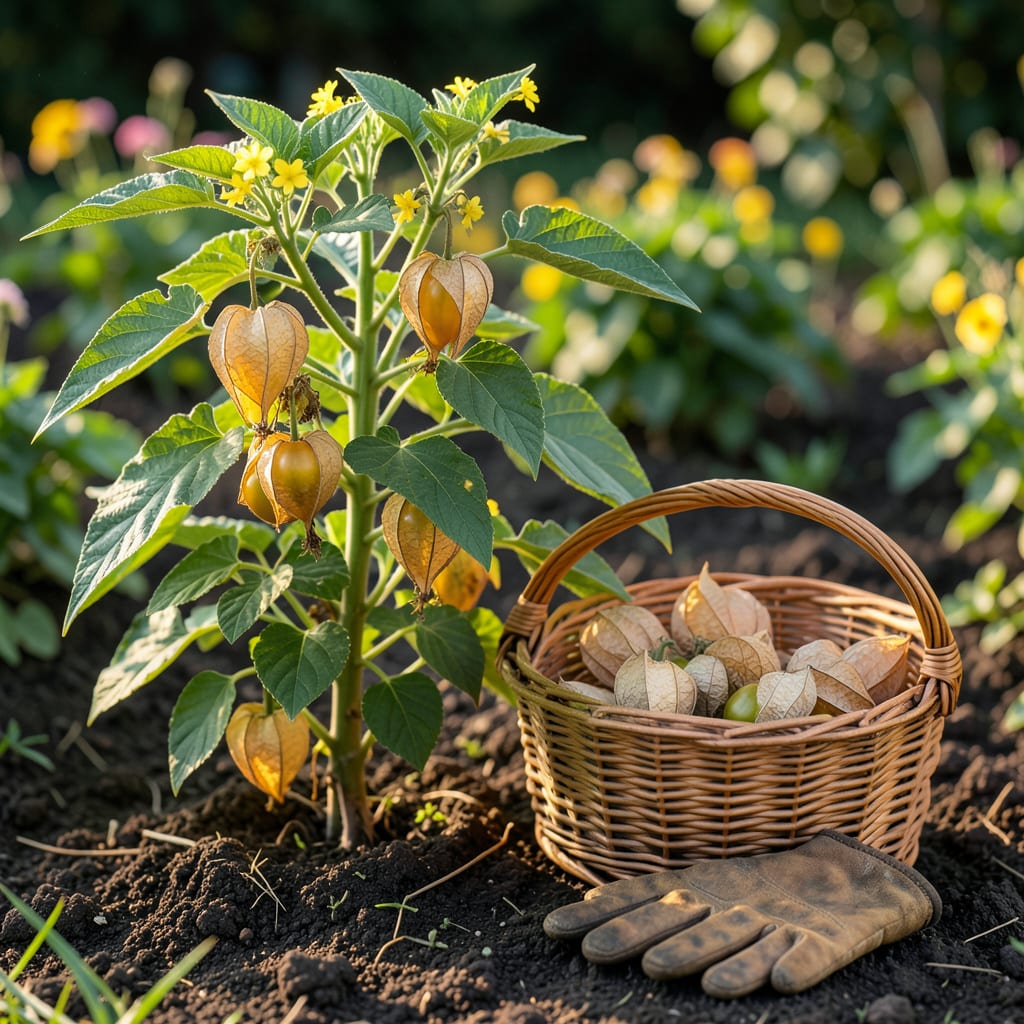
I remember my first Ground Cherry harvest – I picked them too early and missed that perfect sweetness. The 🍈 Ground Cherry gives clear signals when it’s ready, but you have to know what to look for.
From July to September, watch for the husk’s color change and the fruit’s gentle drop. I’ll show you the exact signs that mean it’s time to start collecting your bounty.


I’ve learned the hard way that ground cherries won’t ripen on the vine like tomatoes. Instead, they drop to the ground when ready, which is your first big clue. The husk color is the most reliable indicator—it shifts from green to straw-colored or brown as the fruit matures inside.
Another sign is the fruit’s texture. When ripe, it feels slightly soft to the touch, and the sweet aroma becomes noticeable. If the husk is still green or the fruit feels firm, it’s not ready yet. These subtle changes make all the difference in flavor.
| Sign | Description |
| Husk Color | Turns from green to straw-colored or brown |
| Fruit Drop | Falls naturally from the plant |
| Fruit Color | Golden-yellow or orange inside husk |
| Husk Texture | Feels papery and dry |
I always check the husk texture too. When it’s dry and papery, the fruit inside is usually at its peak. If the husk is still plump and green, the ground cherry needs more time. This simple check prevents premature picking and ensures the best flavor.
Timing is everything. In my garden, I start checking for ripeness in late July, but this can vary based on your planting date and climate. Warmer regions may see ripe fruit earlier, while cooler areas might need to wait until early September.
The fruit’s separation from the plant is another clear sign. Ripe ground cherries often detach easily, sometimes falling to the ground on their own. If you have to tug hard to remove it, the fruit isn’t ready yet.
I’ve found that morning harvesting works best. The fruits are fresher, and the plants are less stressed from the heat of the day. Plus, it’s easier to spot the straw-colored husks against the green foliage in the soft morning light.
If you’re unsure, give the fruit a gentle squeeze through the husk. A ripe ground cherry will yield slightly, while an unripe one stays firm. This quick test helps avoid the disappointment of biting into an underripe fruit.
Finally, trust your nose. A ripe ground cherry has a sweet, tropical aroma that’s hard to miss. If it smells fresh and fragrant, it’s ready to pick. If there’s no scent, leave it on the plant a little longer.
By paying attention to these visual and sensory cues, you’ll harvest ground cherries at their peak every time. It’s a simple process, but one that rewards patience and observation with the sweetest results. 🌱
I always recommend harvesting Ground Cherries in the early morning when temperatures are cooler. This helps preserve the fruit’s freshness and prevents heat stress on the plant during the hottest part of the day.
The ideal window is between 7 AM and 10 AM, after the dew has dried but before the sun gets intense. At this time, the fruits are at their peak flavor and the plants are less likely to wilt from stress.
If you’re working with a large harvest, a small basket or breathable container works best to prevent crushing. I prefer woven baskets because they allow airflow, which keeps the fruits fresh longer.
For those growing in containers, check daily once the husk color starts changing. Container-grown plants often ripen faster due to the controlled environment and consistent watering.
Remember, the husk turns papery and brown when ready. If it’s still green and firm, leave it for another day or two. Patience is key with these little gems.
Finally, always handle your Ground Cherries with care—their delicate husks bruise easily. A gentle touch ensures you enjoy the full sweetness of your hard-earned harvest. ✂️
Once you’ve gathered your ground cherries, proper care ensures they stay fresh and flavorful. I always start by sorting the harvest—separating fully ripe fruits from those that need a little more time to mature indoors.
The unripe fruits can continue to ripen at room temperature. Simply place them in a single layer on a countertop, away from direct sunlight. They’ll typically ripen within 3 to 5 days, turning golden-yellow and developing their signature sweetness.
⚠️ Don’t Wash Until Ready to Use
Washing ground cherries before storage can introduce moisture, leading to mold growth. Keep the husks intact and dry until you’re ready to eat or process them.
For ripe ground cherries, storage options depend on how soon you plan to use them. At room temperature, they’ll last about 3 to 5 days. If you need more time, store them in the refrigerator in a breathable container, where they’ll keep for up to 10 days.
If you’ve harvested a large batch, consider freezing them. Remove the husks, rinse gently, and pat dry. Spread them on a baking sheet to freeze individually before transferring to a freezer-safe bag. This preserves their flavor for months.
Always handle them gently—their delicate husks can bruise easily, affecting both appearance and taste. With proper care, your ground cherries will reward you with their sweet, tropical flavor long after the harvest. 🌿
Look for a color change from green to straw-colored or brown. The texture should also feel dry and papery to the touch. This is the most reliable sign that the fruit inside is ripe and sweet.
No, ground cherries naturally drop when ripe. Forcing them off early means they’re underripe. Collect fallen fruits first, then check remaining ones for husk color and easy separation from the stem.
Harvest in the early morning, between 7 AM and 10 AM. The cooler temperatures help preserve freshness, and the fruits are easier to spot against the foliage.
Yes, place unripe fruits in a single layer at room temperature, away from direct sunlight. They’ll typically ripen within 3 to 5 days. Avoid washing until ready to use to prevent mold.
