
Beautiful Plants For Your Interior
Beautiful Plants For Your Interior
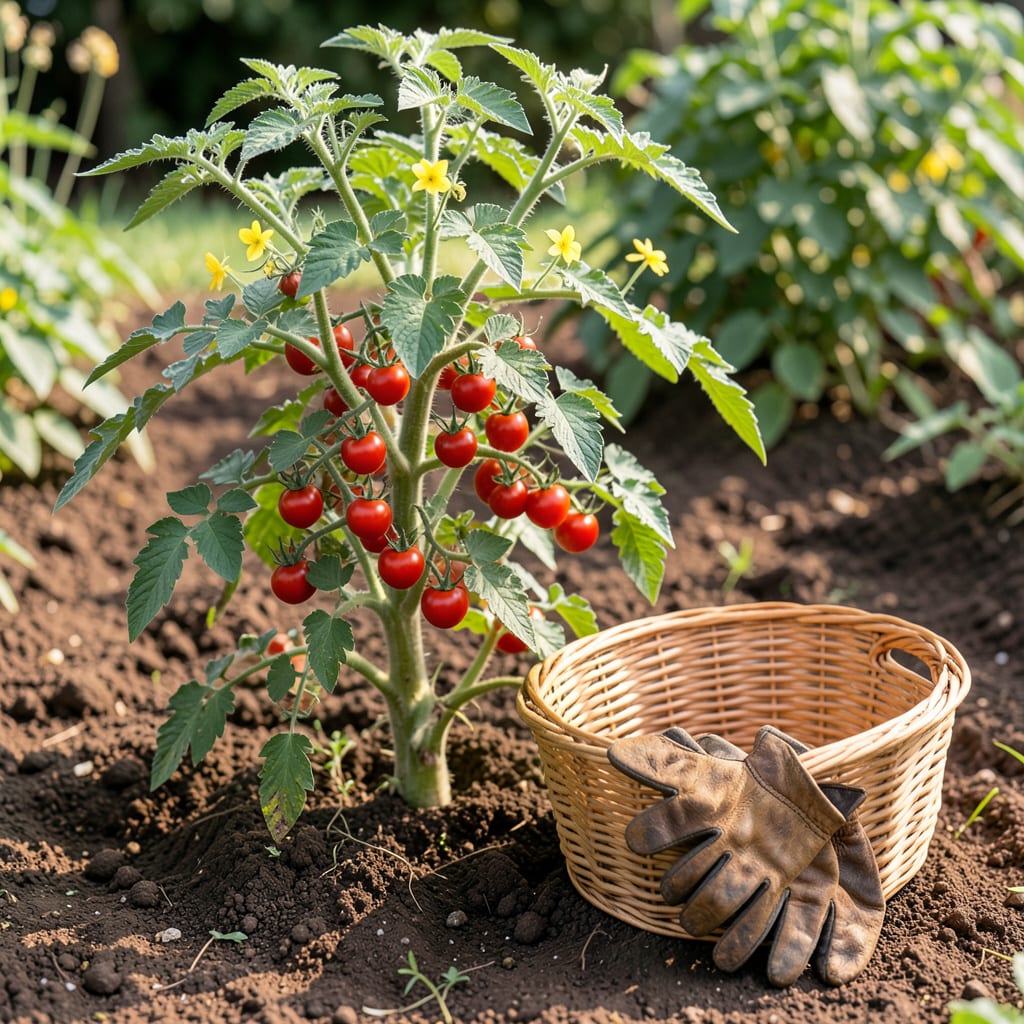
Nothing beats the taste of a Grape Tomato 🍅 picked at its peak. But how do you know when it’s truly ready?
From July to September, watch for deep color and a slight give when squeezed. I’ll show you the surefire signs that guarantee sweet, juicy flavor every time.


I’ve found that grape tomatoes reveal their readiness through color changes first. For red varieties, look for a deep, even crimson hue all over. Yellow types should glow like sunshine, while purple ones develop a rich, wine-like tone.
No green patches should remain on ripe grape tomatoes. The skin should appear smooth and glossy, a sure sign they’ve soaked up enough sunlight. This is your first visual confirmation they’re ready for picking.
The touch test is my go-to method. Gently squeeze a tomato—it should yield slightly, like a ripe peach. If it’s rock-hard, it needs more time. If it’s mushy, you’ve waited too long.
Another key indicator is the ease of separation. Ripe grape tomatoes will detach cleanly from the vine with minimal effort. If you’re struggling to pull it off, it’s not ready yet.
Don’t overlook the aroma. A truly ripe grape tomato will have a strong, sweet smell at the stem end. This scent intensifies as the fruit reaches its peak flavor.
Size matters too, but it’s variety-dependent. Most grape tomatoes reach 0.5 to 1 inch in diameter when ripe. Compare a few fruits on the same cluster—they’ll often ripen at slightly different times.
I always check the vine’s condition as well. Healthy, well-hydrated plants produce the best-tasting tomatoes. If the vine looks stressed, the fruit might not be at its flavor peak, even if it looks ripe.
For yellow grape tomatoes, the color shift is more subtle. They’ll transition from a pale green to a vibrant, buttery yellow. Purple varieties develop a deep, almost black-purple when fully ripe.
Remember, temperature affects ripening. Grape tomatoes ripen faster in warm weather (above 70°F). In cooler conditions, they might take a few extra days to reach perfection.
Finally, taste-test one if you’re unsure. A perfectly ripe grape tomato will be bursting with sweet, tangy flavor. If it tastes bland, give the others on the vine another day or two. ☀️
I’ve seen many gardeners rush the process and pick grape tomatoes too early, missing out on that peak sweetness. Picking before full color develops means you’ll get a tart, underripe fruit that lacks depth.
On the flip side, waiting too long can lead to overripe tomatoes that split or become mealy. The window for perfection is smaller than you might think, often just 2-3 days at ideal ripeness.
⚠️ Harvesting Warning
Never pull grape tomatoes by the vine—this can damage the plant. Always grasp the fruit gently and twist slightly to detach cleanly.
Another common error is harvesting in the heat of the day. Tomatoes picked under direct midday sun can be warmer and softer, making them more prone to bruising during handling.
I always recommend harvesting in the early morning when temperatures are cooler. This helps preserve the firm texture and extends their shelf life after picking.
Avoid using garden shears or knives for grape tomatoes—these tools are unnecessary and can accidentally damage the delicate vines or neighboring fruits. Your fingers are the best tool for this job.
Finally, don’t harvest all your tomatoes at once. Check plants every 1-2 days during peak season, as fruits ripen at different rates. This ensures you catch each at its absolute best moment. ☀️
Once I’ve harvested my grape tomatoes, proper storage is key to maintaining their fresh-picked flavor. Never refrigerate them immediately—cold temperatures can dull their taste and turn the flesh mealy.
For short-term storage, I keep them at room temperature, away from direct sunlight. A single layer on the counter works best, allowing air circulation to prevent moisture buildup.
If I must refrigerate them, I place unwashed tomatoes in the crisper drawer in a paper bag. This helps maintain humidity while allowing some airflow, preserving texture for up to 7 days.
For longer storage, I’ve had success with freezing whole tomatoes. Simply wash, dry thoroughly, and spread on a tray to freeze before transferring to a bag. They’ll keep for 3-4 months and work great in cooked dishes later.
Never wash tomatoes until ready to use—excess moisture speeds up spoilage. And always check for soft spots or wrinkling, which signal they’re past their prime. 🌱
Look for deep, even hues: crimson red, sunshine yellow, or wine-like purple. Any green patches mean they need more time on the vine.
Gently squeeze—ripe ones yield slightly like a ripe peach. They’ll also detach easily with a light twist and have a sweet aroma at the stem.
Avoid harvesting in direct midday sun. Morning is ideal when temperatures are cooler, preserving texture and preventing bruising.
Inspect plants every 1-2 days during peak season. Grape tomatoes ripen quickly, and the perfect window is often just 2-3 days.
