
Beautiful Plants For Your Interior
Beautiful Plants For Your Interior
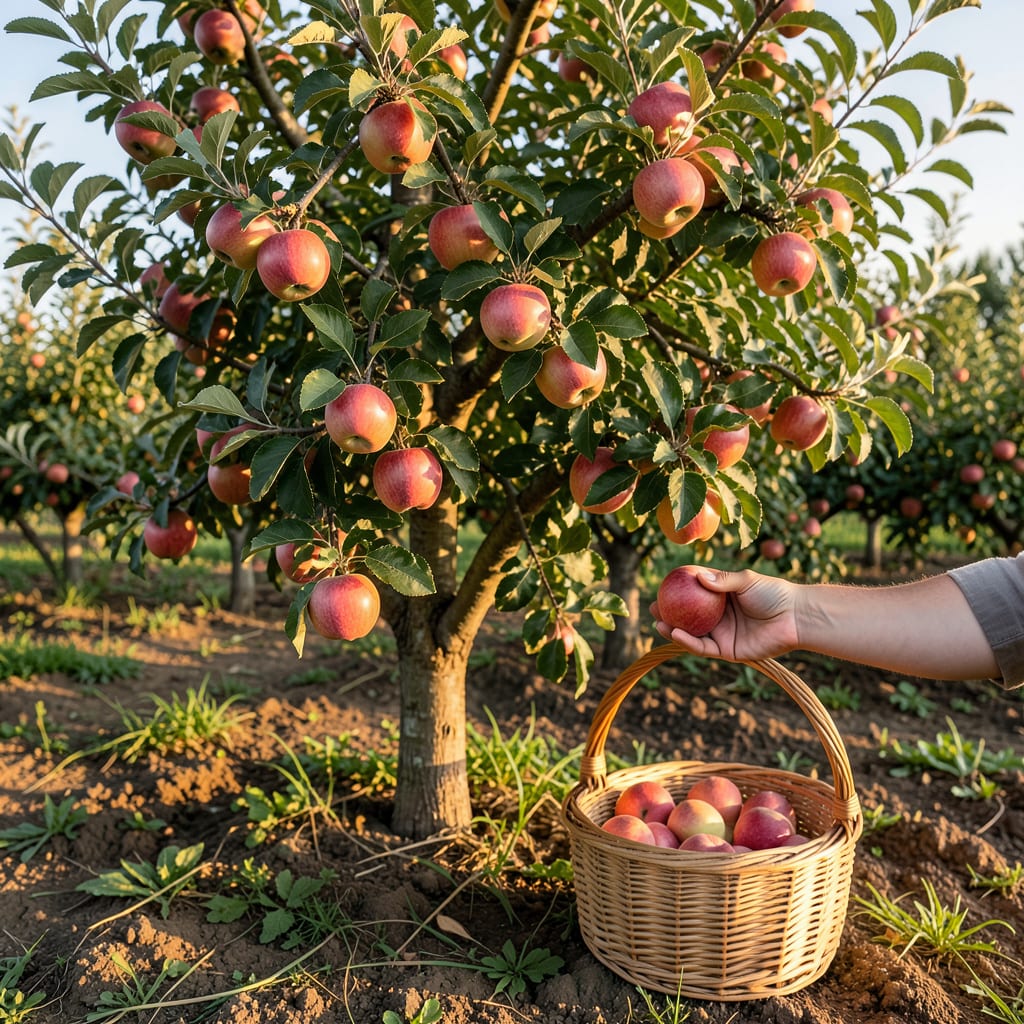
Nothing beats the taste of a Fuji Apple 🍎 picked at its peak. The difference between an early harvest and the perfect moment is night and day.
I’ll show you the visual cues and seasonal timing to ensure your apples are sweet, crisp, and ready to enjoy. Let’s make this harvest your best yet.


Timing your Fuji apple harvest perfectly means watching the calendar and the tree. These apples typically ripen 150-180 days after bloom, usually falling in late September to October for most regions.
I’ve found that climate plays a huge role. In warmer zones like USDA 7-8, they may be ready 2-3 weeks earlier than in cooler areas like USDA 5-6. Always adjust based on your local conditions.
| Factor | Specification |
|---|---|
| Harvest Window | September – October |
| Days After Bloom | 150-180 days |
| USDA Zones | 5-8 |
| Climate Impact | Warmer = earlier harvest |
| Regional Adjustment | Check local frost dates |
The first frost date is a critical marker. Fuji apples should be picked before the first hard frost, as cold can damage the fruit. I track my local weather and aim to harvest 1-2 weeks prior to any frost warnings.
For the most accurate timing, I combine calendar tracking with physical checks. Even if the dates align, the apples might need a few more days to reach their peak sweetness and crisp texture.
In my experience, late-season apples like Fuji benefit from a longer growing period. If your tree is in a microclimate with extra warmth, such as near a south-facing wall, the harvest might come even sooner.
Another tip: taste-test one apple before harvesting the whole tree. If it’s sweet and crisp, the rest are likely ready. If not, wait a few more days and check again. This simple step saves me from harvesting too early every time.
Remember, Fuji apples continue to ripen slightly after picking, but they won’t develop more sweetness. So, it’s best to leave them on the tree until they’re just right.☀️
I also watch for bird activity—they often know when the fruit is at its peak. If I see them eyeing my apples, I know it’s time to start checking for ripeness more frequently.🌳
Knowing when to pick Fuji apples starts with watching for visual cues. The most obvious sign is color change—a shift from green to a deep, rich red with yellow-green undertones.
But color alone isn’t enough. I look for texture changes and how the fruit separates from the branch. These signals together confirm the perfect harvest time without guesswork.
I always perform a gentle squeeze test. A ripe Fuji apple will feel firm but give slightly under pressure. If it’s rock-hard, it’s not ready yet. This simple test prevents early picking.
Another foolproof method is the stem twist test. Lift the apple and twist it gently. If it separates easily with the stem attached, it’s ready. If it resists, leave it for a few more days.
The aroma at the stem is a subtle but reliable clue. Ripe Fuji apples emit a sweet, fragrant scent at the stem end. No smell means it’s not quite time.
Remember, these visual and sensory cues work best when combined. I check all three—color, texture, and aroma—before making my final decision to harvest.☀️
Even experienced gardeners make common mistakes when harvesting Fuji apples. The biggest error I see is picking too early, which results in tart, underripe fruit that won’t reach its full sweetness.
Another frequent misstep is ignoring weather conditions. Harvesting during or right after rain can lead to waterlogged apples that spoil faster. I always check the forecast before heading out.🌧️
Picking too early: Leads to mealy texture and poor flavor development.
Harvesting in wet conditions: Increases risk of rot and reduces storage life.
Pulling instead of twisting: Can damage the stem and reduce shelf life.
I’ve learned that mishandling the fruit during harvest can bruise the apples. Always use a gentle twisting motion and place them carefully in your basket to avoid bruising.
Timing your harvest with the tree’s natural cycle is crucial. Picking all apples at once, regardless of ripeness, can mean some are overripe while others are underripe. I check each apple individually for readiness signs.🌳
Finally, don’t overlook storage preparation. Apples picked at peak ripeness but stored improperly can spoil quickly. I
Look for a deep red color over most of the fruit with yellow-green undertones. A ripe apple will also twist off the stem easily and have a sweet aroma at the stem end.
Picking too early results in tart, underripe fruit. Wait until at least 75% of the apple is red and it yields slightly to gentle pressure. Patience pays off with sweeter flavor.
A hard frost can damage the fruit, making it soft or mushy. Always harvest 1-2 weeks before your first expected frost to preserve texture and taste.
Check each apple individually, as they may ripen at slightly different times. Picking in stages ensures you don’t miss the perfect window for any fruit.
