
Beautiful Plants For Your Interior
Beautiful Plants For Your Interior
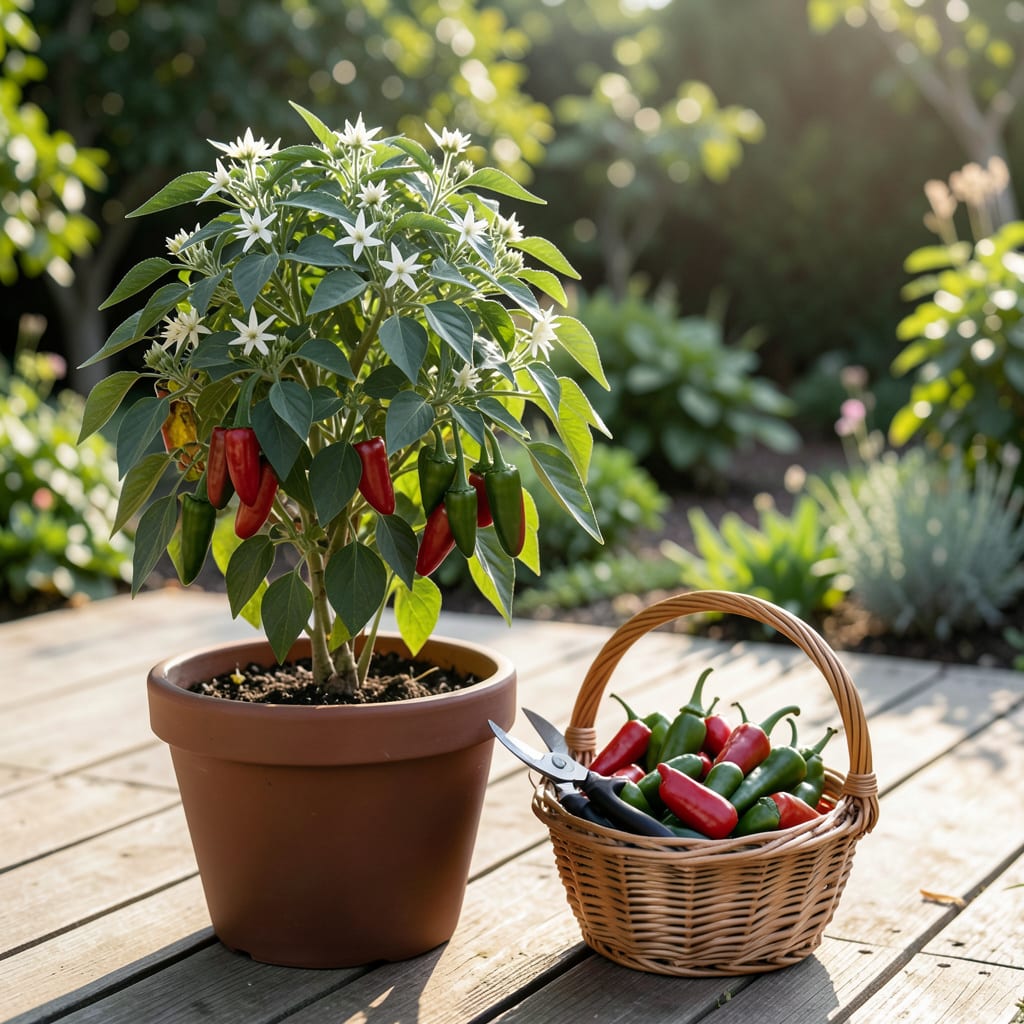
I remember the first time I picked a Fresno Pepper 🌶️ too early—what a difference a few days can make in flavor and heat. These peppers transform dramatically as they ripen.
From mild and sweet to bold and spicy, their color and texture tell you everything. I’ll show you the exact signs to watch so you never harvest at the wrong time again.


Watching Fresno peppers mature is like seeing nature’s color wheel in action. They start as bright green and gradually shift through subtle hues before reaching their final vibrant red stage.
Each color change signals a shift in flavor and heat level. The green stage is mild, while the red phase packs the most capsaicin punch and sweetness.
| Ripeness Stage | Color | Flavor Profile | Heat Level |
|---|---|---|---|
| Immature | Bright green | Mild, grassy | Low |
| Early maturing | Yellow-orange | Tangy, sweet | Medium |
| Fully ripe | Deep red | Sweet, fruity | High |
| Overripe | Dark red, soft | Fermented, bitter | Variable |
The transition period between green and red is my favorite time to monitor. You’ll often see streaks of yellow or orange appearing, which means the heat is building but isn’t at its peak yet.
I’ve found that Fresno peppers typically take 70-100 days from planting to full maturity. The exact timing depends on growing conditions, but color is your best indicator.
Don’t be fooled by size alone. While mature Fresnos reach 2-3 inches long, some may stay smaller but still be ripe if they’ve turned fully red and feel firm.
The glossy sheen on the skin is another telltale sign. A dull appearance often means the pepper isn’t ready, while a shiny surface indicates peak ripeness.
I always check the stem area too. A dry, brown stem suggests the pepper is ready to pick, while a green stem might mean it needs more time on the plant.
Remember that weather conditions can speed up or slow down ripening. Hot, sunny days will accelerate color change, while cooler temperatures may extend the process.
For the best flavor, I recommend picking when peppers are fully red but still firm to the touch. This is when they’ve developed their maximum sweetness and heat.
If you prefer milder peppers, harvest them during the yellow-orange stage. You’ll sacrifice some sweetness but gain a more subtle heat that works well in many dishes.
I always use the firmness test first when checking Fresno peppers. Gently squeeze the pepper—it should feel solid and dense, not soft or spongy under pressure.
The stem check is another reliable method. A brown, dry stem indicates the pepper is ready, while a green stem means it needs more time on the vine.
Don’t overlook the gloss test. A shiny skin on Fresno peppers often signals peak ripeness, while a dull appearance suggests they need more time.
Avoid picking after rain or heavy dew. The excess moisture can dilute the flavor concentration and make peppers prone to post-harvest rot. ✂️
I’ve learned the hard way that waiting too long can lead to overripe peppers that turn soft and lose their vibrant flavor. The sweet spot is when they’re fully red but still firm to touch.
For the most accurate ripeness check, combine multiple methods. A pepper that’s deep red, firm, with a glossy sheen and brown stem is almost certainly at its peak.
If you’re unsure, pick one and taste test it. This hands-on approach helps you learn the exact visual cues for your specific growing conditions. 🌱
I’ve discovered that early morning is the ideal time to harvest Fresno peppers. The cool temperatures and higher moisture levels overnight help preserve their natural crispness and flavor.
Picking in the late afternoon can work too, but avoid the hottest part of the day when peppers may be stressed from heat. This stress can affect their taste and texture.
💡 Pro Tip: Always use sharp pruners or scissors to avoid damaging the plant. Cut the stem about 1/4 inch above the pepper to prevent tearing.
Avoid harvesting after rain or heavy watering. The excess moisture can dilute the pepper’s flavor and make it more susceptible to post-harvest rot. Wait until the foliage is dry before picking.
I also recommend handling Fresno peppers with care. Their thin skins can bruise easily, which reduces shelf life and quality. Place them gently in your harvest basket to avoid pressure damage.
For the best results, harvest when the peppers are fully red and the morning sun has had a chance to dry any dew. This ensures you’re getting the peak flavor and longest storage potential. ✂️
Look for a vibrant red color with a glossy sheen. The pepper should feel firm when gently squeezed, and the stem often turns brown and dry.
Yes, but they’ll be milder and less sweet. Green Fresnos have a grassy flavor and minimal heat. For full sweetness and spice, wait until they turn red.
Overripe peppers may turn soft or wrinkled, with a bitter or fermented taste. Their thin skins also become prone to bruising, reducing shelf life.
Early morning is ideal when peppers are crisp and full of flavor. Avoid harvesting after rain or during the hottest part of the day.
