
Beautiful Plants For Your Interior
Beautiful Plants For Your Interior
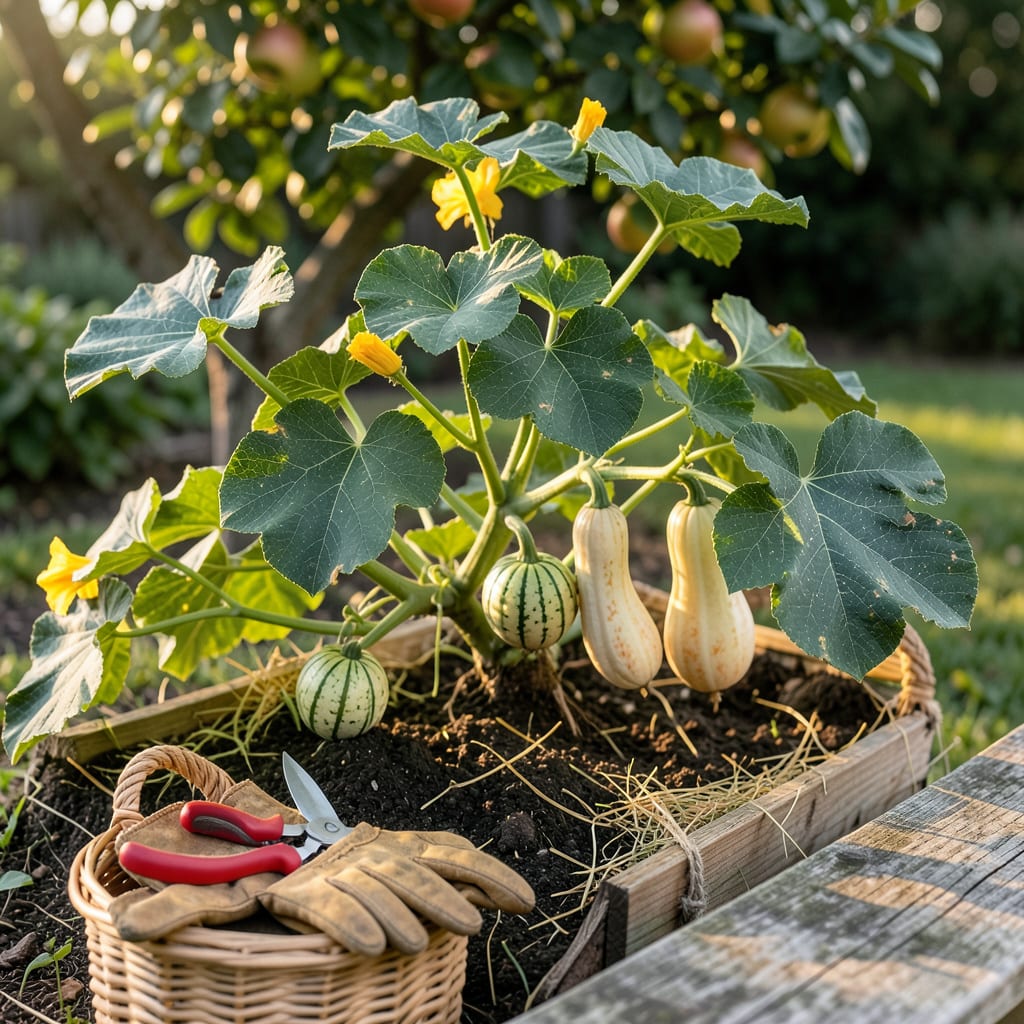
There’s nothing quite like the satisfaction of harvesting your own perfect Delicata squash—sweet, tender, and ready for the table. But timing is everything: pick too soon and you’ll get bland, underdeveloped flesh; wait too long and the texture turns mealy.
I’ve learned the hard way that this 🥒 delicate variety gives subtle but clear signals when it’s at peak ripeness. Let me show you exactly what to look for—from color shifts to stem clues—so you never second-guess your harvest again.


If you’ve ever wondered why your neighbor’s delicata squash looks perfect while yours struggles, climate is often the culprit. This tender variety thrives in USDA zones 3-9 but reacts dramatically to temperature swings. In cooler zones like the Pacific Northwest, you’ll need to watch for early frosts.
Most varieties mature in 75-100 days, but your local weather can shorten or extend this window. I’ve seen heatwaves accelerate ripening by 10 days, while unseasonable cold can delay it by 2 weeks. That’s why I always track my planting date and adjust expectations based on real-time conditions.
| Region | Planting Window | Harvest Window | Key Consideration |
|---|---|---|---|
| Pacific Northwest | Late May – June | Late August – September | Watch for early frosts in October |
| Midwest | Mid-May – Early June | July – August | Humidity can promote disease |
| Southwest | March – April | May – June | Heat stress may require shade cloth |
For first-time growers, I recommend starting seeds indoors 3-4 weeks before your last frost date. This gives you more control over the growing timeline. In my zone 6 garden, I aim to transplant seedlings by May 15 to ensure harvest before October frosts.
If you’re dealing with a short growing season, consider using black plastic mulch to warm the soil faster. I’ve gained nearly 2 weeks of growing time with this trick. For hot climates, afternoon shade prevents sunscald on developing fruits.
Remember that delicata squash is frost-sensitive. If temperatures drop below 32°F, harvest immediately—even if squash aren’t fully ripe. I once lost an entire crop to an unexpected September frost because I waited “just one more day” for perfect color.
For the most accurate timing, combine these regional guidelines with the visual ripeness cues we discussed earlier. When your squash shows that glossy orange skin and the stem starts drying, it’s time to harvest regardless of the calendar date. That’s when you’ll get the sweetest, most tender flesh.
Pro tip: Keep a garden journal noting your planting and harvest dates each year. Over time, you’ll develop a personalized timeline that accounts for your microclimate’s quirks—whether that’s coastal fog, mountain winds, or urban heat islands.
Timing your delicata squash harvest perfectly can feel like a high-stakes game. I’ve been there—standing in the garden with pruners in hand, wondering if today’s the day or if I should wait. The truth is, picking just 2-3 days too early or late makes a noticeable difference in flavor and texture.
When you harvest too early, the squash lacks its signature sweetness and the flesh remains watery. I once picked a batch at 6 inches long thinking they were ready, only to find they tasted more like zucchini than the rich, nutty delicata I expected. The skin also stays tougher, defeating the whole purpose of this edible-skin variety.
On the flip side, waiting too long brings its own problems. Overmature delicata develops a mealy, stringy texture that no amount of cooking can fix. The seeds become large and tough, and the flesh loses its creamy consistency. I learned this the hard way when a heatwave accelerated ripening while I was on vacation.
There is a silver lining: slightly underripe squash can be salvaged by roasting with a drizzle of maple syrup to boost sweetness. For overripe ones, I recommend scooping out the seeds and using the flesh in soups where texture matters less. But honestly, nothing beats a perfectly timed harvest.
The ideal window is when the squash reaches 7-9 inches long with glossy, deep orange skin that resists thumbnail pressure. That’s when you’ll get the sweetest, most tender flesh with that coveted edible skin. Trust me, your taste buds will thank you for waiting those extra days.
Remember that delicata squash doesn’t improve after picking like some fruits. What you harvest is what you get, so when in doubt, check for that drying stem and slight give when pressed. That’s your golden ticket to squash perfection.
Check for pale green skin or inconsistent coloring. Underripe delicata feels very firm with no give when pressed, and the stem remains green and flexible. If it’s under 6 inches long, it definitely needs more time.
Store in a cool, dry place (55-60°F) with good airflow. Avoid refrigeration unless cut—whole squash keeps 2-3 weeks at room temperature. For longer storage, cure in sunlight for 1-2 days first.
Avoid waiting through frost—delicata is frost-sensitive. Even a light frost damages the flesh, causing soft spots. Harvest immediately if temperatures drop below 32°F, even if squash aren’t fully ripe.
Bitterness usually means it was picked too late or grew under stress. Overmature squash develops high cucurbitacin levels. Ensure consistent watering and harvest at 7-9 inches for best flavor.
When fully ripe, the skin becomes tender and sweet—no peeling needed. Look for deep orange color and glossy finish. Underripe squash has tough skin that’s unpleasant to eat.
