
Beautiful Plants For Your Interior
Beautiful Plants For Your Interior
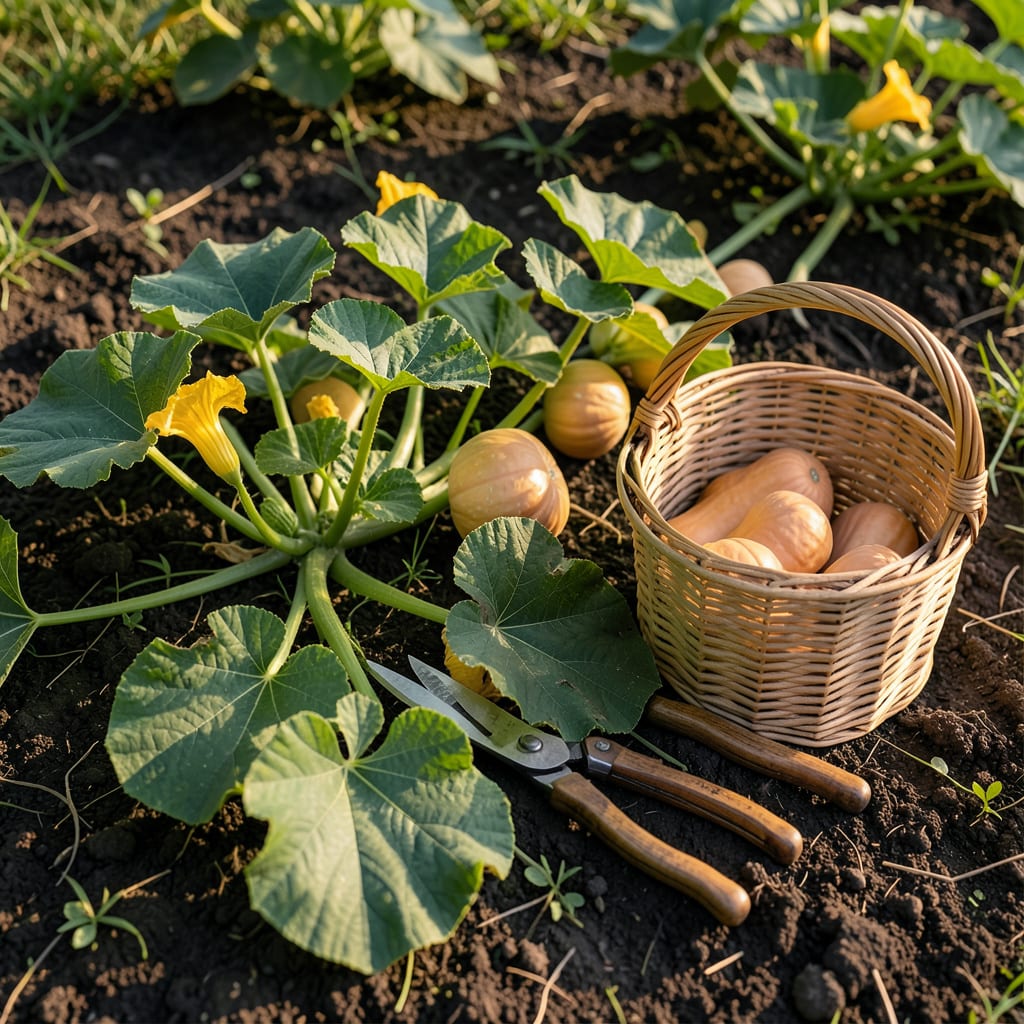
There’s nothing worse than picking your 🎃 Butternut Squash too early and missing out on that rich, nutty sweetness. Timing this harvest right makes all the difference for flavor and storage.
I’ll show you the key signs to watch for – from color changes to vine condition – so you can confidently gather your crop at its peak. Let’s get this right together.


I always watch for that deep tan color first – it’s the most obvious sign your butternut squash is nearing maturity. The skin should look uniformly tan with no green streaks remaining. This color change signals the sugars are developing properly inside.
Next, I check the rind hardness. A mature butternut will have a skin so hard that you can’t pierce it with your fingernail. This tough exterior protects the flesh during storage and indicates full ripeness.
| Maturity Sign | What to Look For |
|---|---|
| Color | Deep, uniform tan with no green |
| Rind Texture | Hard and impenetrable to fingernails |
| Stem Condition | Dry, brown and corky |
| Vine Appearance | Mostly yellow and dying back |
| Surface Sheen | Dull, matte finish not shiny |
The stem condition is another critical indicator. When the stem connecting the squash to the vine turns brown and dry, it’s a sure sign of maturity. I never harvest while the stem is still green and pliable.
I also examine the vines themselves. As butternut squash matures, the vines begin to yellow and die back. This is nature’s way of telling you the plant has completed its life cycle and the fruits are ready.
The surface appearance changes too. Immature squash have a glossy sheen, while mature ones develop a dull, matte finish. This visual cue is especially helpful when checking from a distance in your garden.
For the most accurate test, I use the fingernail test. Try pressing your fingernail into the skin. If it resists penetration, the squash is ready. If it leaves a mark, give it more time on the vine.
Remember that days to maturity vary by variety. Most butternut squash take 85-100 days from planting to harvest. I always check my seed packets for specific guidelines and count forward from my planting date.
Regional climate differences affect timing too. In cooler areas, the process might take longer, while warmer climates can speed up maturity. I adjust my expectations based on my local growing conditions.
Finally, I consider the weight and size. A mature butternut should feel heavy for its size and have reached its expected dimensions. Most varieties weigh between 2-5 pounds when fully ripe.
By combining these visual and tactile signs, I can confidently determine the perfect moment to harvest my butternut squash for the best flavor and longest storage life ☀️
I’ve learned through experience that picking too early is the most common mistake with butternut squash. Immature squash lacks the sweet flavor and won’t store well. The skin should be hard enough to resist fingernail pressure before harvesting.
Another frequent error is waiting too long. Overripe squash can split or attract pests. I check daily once the vines start dying back to catch the perfect window for harvesting.
⚠️ Warning: Never harvest butternut squash while the vines are wet or during rainy weather. This can spread diseases and reduce storage life significantly.
I see many gardeners mishandle the stem during harvest. Always use pruning shears and leave 1-2 inches of stem attached. Pulling the squash directly can damage the vine and reduce its productive life.
Ignoring the weather forecast can ruin your harvest. I always check for upcoming frost warnings and harvest all squash before the first frost. Even a light frost can damage the vines and affect the squash’s quality.
Another mistake is harvesting at the wrong time of day. I’ve found that morning harvests work best when the squash is cool and the plant’s sugars are most concentrated in the fruit.
Finally, don’t overlook the size. While bigger isn’t always better, most butternut varieties need to reach their mature size (usually 2-5 pounds) before harvesting for optimal flavor and texture.
Avoiding these common mistakes will help you harvest butternut squash at its peak of perfection 🌱
I always harvest my butternut squash in the early morning when the fruits are cool and the plant’s sugars are most concentrated. This timing helps preserve the squash’s freshness and flavor during storage.
Dry weather is essential for harvesting. I wait for a sunny day with no rain in the forecast for at least 24 hours. Wet conditions can spread disease and reduce the squash’s storage life significantly.
The right tools make harvesting easier and safer. I use clean pruning shears to make a clean cut through the stem. This prevents damage to both the squash and the vine, allowing for continued production.
I always leave a stem stub of about 1-2 inches on each squash. This helps prevent moisture loss and reduces the risk of rot during storage. Never carry the squash by the stem, as this can cause it to break off.
After harvesting, I handle the squash carefully to avoid bruising. Even small damage can lead to spoilage during storage. I place them gently in a basket or box, not directly on the ground.
Following these practices ensures my butternut squash stays in perfect condition from vine to storage 🌱
Look for a deep, uniform tan color with no green streaks. This indicates the sugars have fully developed inside. A glossy sheen means it needs more time.
Press your fingernail into the skin. If it resists penetration, it’s ready. A soft rind that leaves a mark means the squash needs more time on the vine.
Immature squash lacks sweetness and won’t store well. The skin will be soft, and the flavor underdeveloped. Always wait for the hard rind and dry stem.
No, harvest before frost hits. Even a light frost can damage the vines and affect quality. Check weather forecasts and pick all squash beforehand.
