
Beautiful Plants For Your Interior
Beautiful Plants For Your Interior
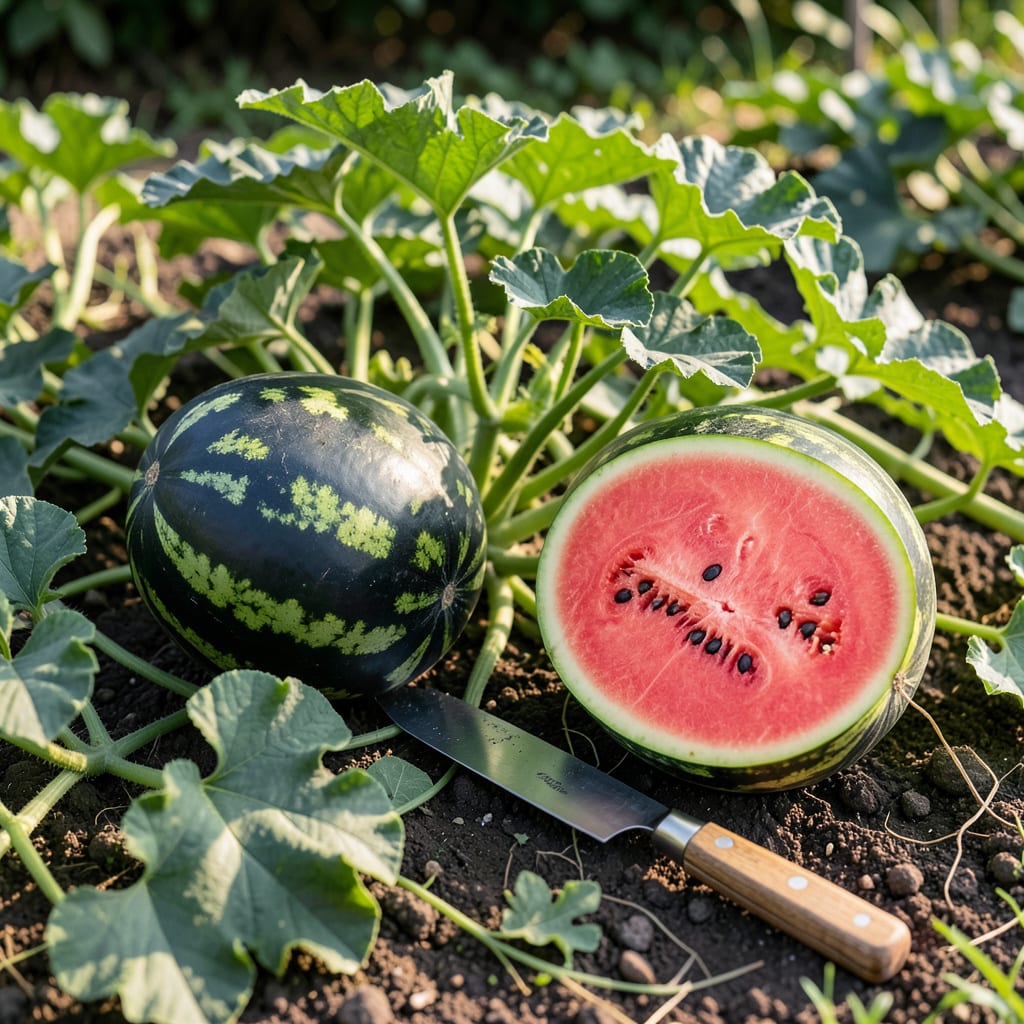
Nothing beats the satisfaction of harvesting a perfectly ripe 🍉 Black Diamond Watermelon at just the right moment. That first juicy bite makes all your gardening efforts worthwhile.
I’ll show you the key signs to look for so you never pick too early or too late. From color changes to the classic thump test, these simple tricks ensure peak sweetness every time.


Harvesting a Black Diamond watermelon at peak ripeness is all about observing nature’s subtle clues. This heirloom variety typically reaches maturity in 80-100 days after planting in warm soil.
I’ve found the most reliable indicator is the tendril nearest the stem. When it turns completely brown and dries up, your melon is likely ready for picking. This change signals the plant has stopped sending nutrients to the fruit.
| Indicator | Ready Sign | Not Ready Sign |
|---|---|---|
| Tendril Color | Brown and dry | Green and flexible |
| Ground Spot | Creamy yellow | White or pale |
| Rind Appearance | Dull and hard | Shiny and soft |
| Sound Test | Deep hollow thump | Flat or metallic |
The ground spot is another giveaway. As the melon ripens, the area touching the soil changes from white to a yellowish-cream color. This discoloration occurs because chlorophyll breaks down in the ripening process.
For the thump test, I use my knuckles to tap the melon. A ripe Black Diamond produces a deep, hollow sound, while an unripe one sounds more metallic or flat. This takes practice, but your ear will learn the difference.
The rind texture also changes as the fruit matures. A ready melon has a dull, almost rough surface that resists light scratching with your fingernail. Shiny rinds typically indicate the fruit needs more time on the vine.
I always check the stem connection too. While the stem itself might still look green, the tendril directly opposite it is the true indicator. When that tendril is completely dry, it’s time to harvest regardless of other signs.
Weather can affect these signs, so I monitor my plants closely during heat waves or cool spells. Extreme temperatures might accelerate or delay ripening by a few days, so I adjust my harvesting timeline accordingly.
For the most accurate results, I combine multiple signs. A melon with a dry tendril, cream-colored ground spot, and hollow thump is almost certainly at peak ripeness and ready for picking.
Remember that Black Diamonds typically weigh 25-50 pounds when mature. Size alone isn’t a perfect indicator, but combined with other signs, it helps confirm you’re making the right call.
Even experienced gardeners can misjudge ripeness with Black Diamonds. The most common mistake I see is harvesting too early, often because the rind looks dark enough. But color alone isn’t a reliable indicator for this variety.
Another frequent error is ignoring the tendril test. Some growers focus only on the thump sound or ground spot, but that curly tendril near the stem is your most accurate signal. When it’s still green, the melon needs more time.
⚠️ Warning: Picking a Black Diamond with a green tendril or white ground spot will result in underripe, less sweet fruit. Always verify with multiple signs to avoid disappointment.
Weather can trick you too. During heat waves, melons might appear ready sooner, but their internal ripening lags behind. I always wait an extra 2-3 days after signs appear during extreme heat.
Overlooking the ground spot is another pitfall. This cream-colored patch where the melon rests on soil is a clear ripeness clue. If it’s still white, the fruit isn’t ready, no matter how dark the rind appears.
The thump test often confuses beginners. A metallic sound means it’s not ripe, while a dull thud can indicate overripeness. Only the deep hollow sound signals perfect ripeness.
Lastly, don’t discount size. While 25-50 pounds is typical, some Black Diamonds stay smaller. Focus on the ripeness signs rather than weight alone for the sweetest harvest. ☀️
Mastering the ripeness tests for Black Diamond watermelons ensures you pick at peak sweetness. I rely on a combination of methods for the most accurate results every time.
First, the thump test is my go-to. Use your knuckles to tap the melon firmly. A deep, hollow sound means it’s ready, while a flat or metallic tone indicates it needs more time on the vine.
The scratch test is another reliable method. Gently run your fingernail across the rind. If it resists and feels hard, the melon is likely ripe. A soft rind that scratches easily means it needs more time.
For the stem inspection, check where the melon connects to the vine. When ripe, this connection often looks slightly shriveled or cracked. However, don’t rely on this alone, as some melons detach easily when unripe.
I always use at least three methods together for confirmation. Combining the thump test with tendril and ground spot checks gives me confidence in my harvest timing. This multi-pronged approach eliminates guesswork and ensures the sweetest fruit.
Remember that morning harvesting often yields the best flavor, as the fruit has had all night to absorb moisture from the soil. 🌱
They typically reach ripeness in 80-100 days after planting. This timeline can vary slightly based on growing conditions and weather patterns.
The ground spot turns from white to cream-colored as chlorophyll breaks down during ripening. A white spot means the melon needs more time on the vine.
It’s best to wait an extra 2-3 days after signs appear. Extreme heat can make melons appear ready before they’ve fully ripened inside.
Harvest in the morning when possible. This ensures the fruit has absorbed maximum moisture overnight, enhancing its sweetness and juiciness.
