
Beautiful Plants For Your Interior
Beautiful Plants For Your Interior
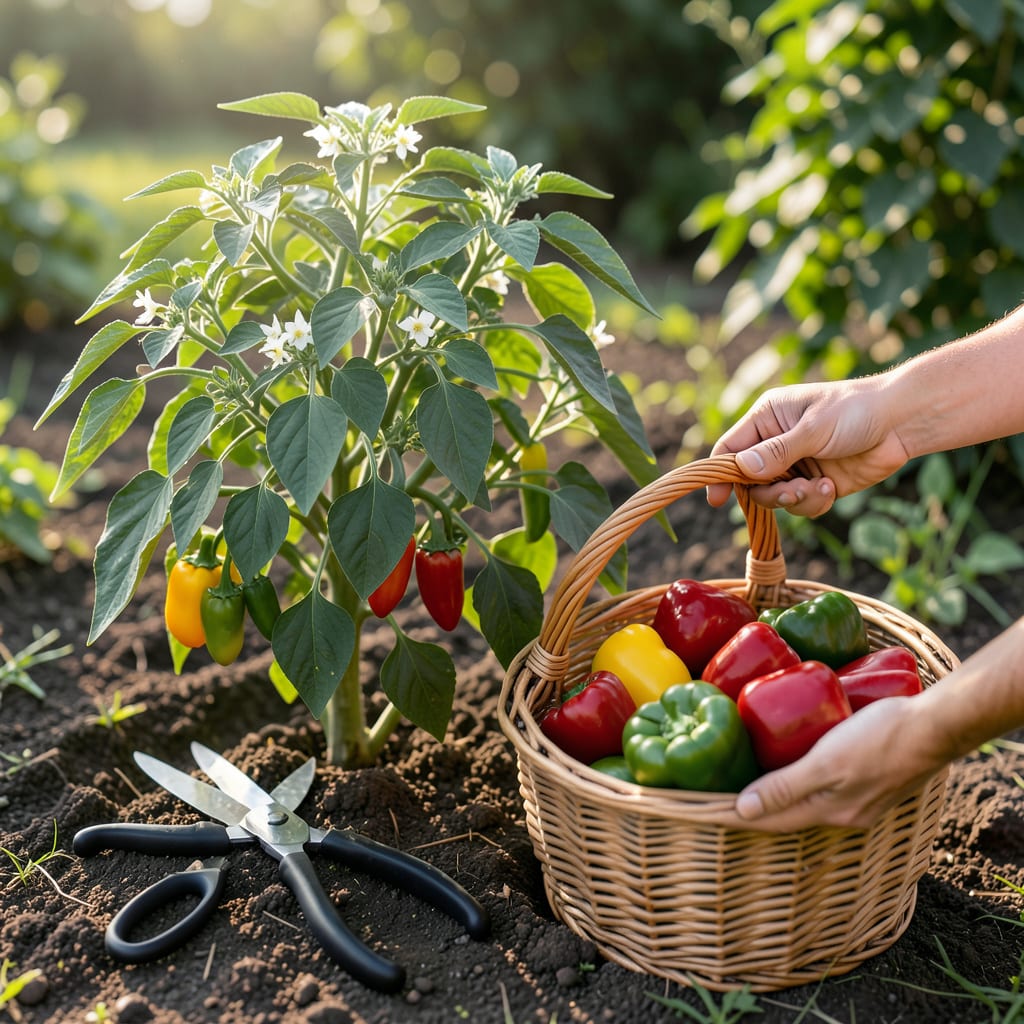
Nothing beats the satisfaction of plucking a perfectly ripe 🌶️ Bell Pepper from your own garden. But how do you know when it’s truly ready?
From vibrant color to firm texture, I’ll show you the surefire signs to watch for. With these tips, you’ll harvest at just the right moment for the best flavor.


Timing your bell pepper harvest perfectly means watching for visual cues and physical changes. I’ve found that color intensity is the first sign, but size and firmness matter just as much.
Most varieties reach full maturity between 60-90 days after transplanting. But don’t rely on time alone—check the peppers themselves for the best results.
| Sign | Description |
|---|---|
| Color | Deep, vibrant hue (green, red, yellow, or orange) |
| Size | 3-4 inches long and fully formed |
| Texture | Firm and glossy skin with no soft spots |
| Stem | Thick and green, not dried or brittle |
For green bell peppers, harvest when they’re full-sized but still firm. If you prefer sweeter flavors, wait for them to turn red, yellow, or orange—this means they’ve ripened further on the vine.
Red bell peppers often start as green and change color as they mature. This transition can take 2-3 weeks longer, but the extra wait is worth it for that rich, sweet taste.
I always check the skin’s firmness by gently squeezing. A ripe pepper should feel solid and heavy for its size. If it gives slightly, it might be overripe or starting to spoil.
Another trick: listen for a snap. When you bend a ripe pepper, it should easily separate from the stem with a clean break. If it resists, it’s not ready yet.
Don’t forget to consider the growing conditions. Hotter climates may speed up ripening, while cooler areas can delay maturity. Adjust your expectations based on your local weather.
If you’re growing multiple varieties, keep track of their expected colors. Some peppers stay green when ripe, while others transition to brighter shades. Always refer to the seed packet for specifics.
Lastly, harvest regularly to encourage more production. The more you pick, the more your bell pepper plants will produce. It’s a win-win for a bountiful garden!
🌿
Harvesting bell peppers at the right time ensures maximum flavor and longer storage life. I always consider the variety and weather conditions before picking.
For immediate use, pick when peppers are fully colored and firm. For storage, harvest slightly earlier when they’re mature but not overripe.
If you’re growing green bell peppers, pick them when they’re full-sized but still firm. For sweeter varieties, wait until they turn red or yellow for optimal taste.
In hotter climates, peppers may ripen faster, so check them every 2-3 days. Cooler areas might need extra time for full maturity.
For long-term storage, harvest peppers when they’re mature but not fully ripe. This extends their shelf life by a few days. Store them in the refrigerator in a paper bag.
Always handle peppers gently to avoid bruising. A damaged pepper won’t store well and may spoil faster. I use a sharp knife or pruners for a clean cut.
☀️
Harvesting bell peppers incorrectly can damage plants and reduce future yields. I’ve seen many gardeners make simple errors that cost them a healthy harvest.
One of the biggest mistakes is pulling peppers off instead of using clean pruners. This can tear the plant and invite disease.
⚠️ Warning: Never pull peppers by hand. Always use sharp pruners to cut the stem cleanly and avoid harming the plant.
Another common error is harvesting too early. Picking peppers before they’re fully mature can result in bitter or bland flavors. Wait until they’ve reached their expected color and size.
Ignoring the weather conditions is also a misstep. Harvesting during extreme heat or after heavy rain can lead to split or bruised peppers. Aim for dry, cool mornings for the best results.
Additionally, many gardeners forget to check their plants regularly. In warm weather, peppers can ripen quickly, and missing the window can mean overripe or spoiled produce.
✂️
Green bell peppers are ripe when they reach full size (3-4 inches) and have firm, glossy skin. They won’t turn red or yellow, so harvest when they look mature and feel heavy in your hand.
All bell peppers start green, but some varieties are bred to stay green when ripe. Others naturally turn red, yellow, or orange as they mature further on the vine, becoming sweeter in the process.
You can, but they’ll lack full flavor and texture. For best taste, wait until they reach full size and show their mature color. Small peppers may also be bitter or underdeveloped.
Harvest in the cool morning when peppers are crispest. Avoid picking during midday heat or after rain, as this can lead to soft or split fruits.
