
Beautiful Plants For Your Interior
Beautiful Plants For Your Interior
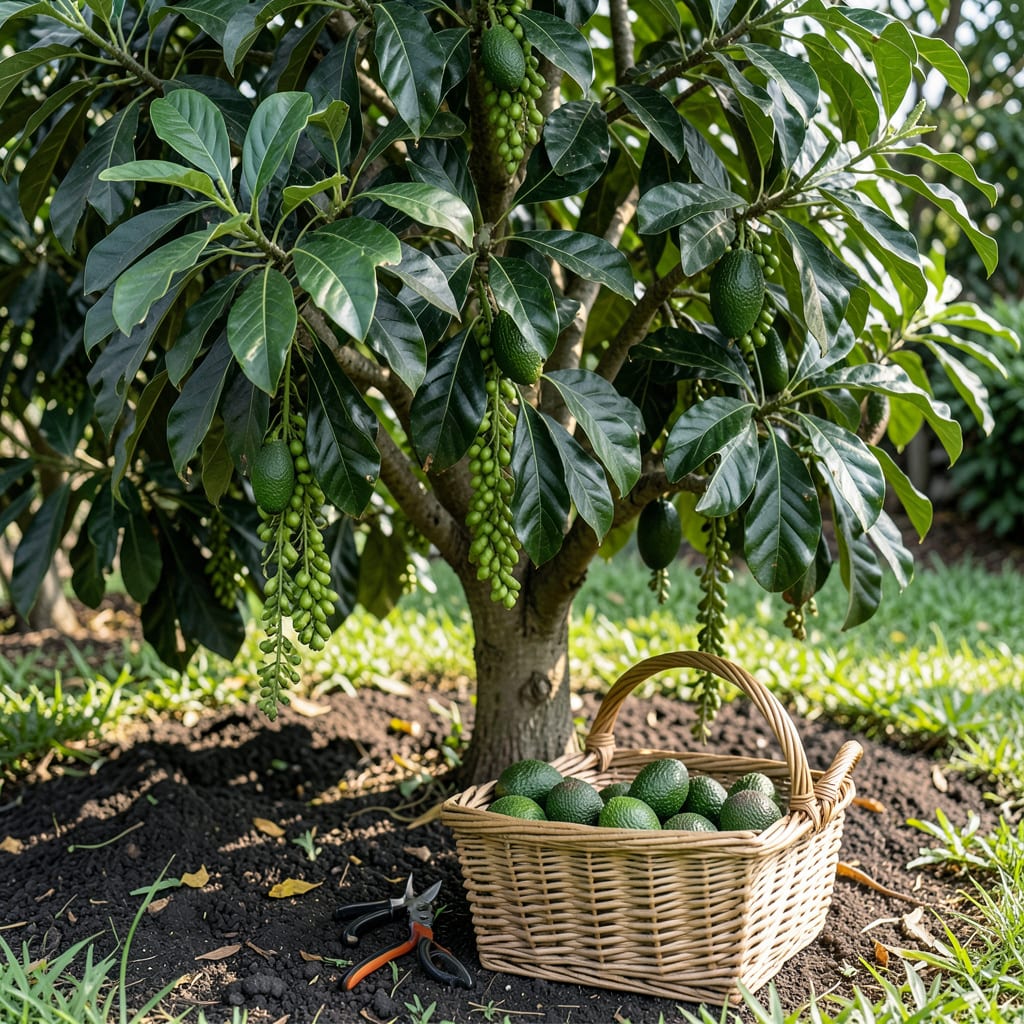
Nothing beats the taste of homegrown 🥑 Avocado, but picking it too soon means a hard, flavorless disappointment. The key is knowing when your fruit is truly ready.
I’ll show you the subtle stem and skin clues that signal perfect ripeness. With these tips, you’ll never guess wrong about when to harvest your Avocado again.


Timing your avocado harvest perfectly ensures the best flavor and texture. I always look for subtle changes in the stem and skin to determine ripeness. These visual cues are more reliable than guesswork.
Unlike some fruits, avocados don’t ripen on the tree. Instead, they mature and then ripen after picking. This means you need to watch for maturity signs rather than ripeness itself.
| Sign | Description |
|---|---|
| Full Size | Fruit reaches mature size for its variety |
| Stem Color | Yellowing at stem end signals maturity |
| Skin Texture | Slightly dull or rough skin appearance |
| Ease of Detachment | Fruit twists off easily from stem |
The stem end is one of the most telling indicators. When it turns from green to a pale yellow, your avocado is likely mature enough to pick. I check this first before looking at other signs.
The skin color also changes as avocados mature. For Hass varieties, the skin darkens from green to purple-black. Other types like Fuerte stay green but develop a slightly bumpy texture.
I’ve found that gently twisting the fruit helps test readiness. If it comes off the stem with a slight twist, it’s ready. If it resists, leave it for a few more days or weeks, depending on the variety.
Size matters too. Each avocado variety has a typical mature size. Hass avocados are usually 4-6 inches long when ready. Compare your fruit to known mature sizes for your tree’s type.
Don’t rely on softness while the fruit is still on the tree. Avocados remain firm until after picking. The maturity signs I’ve shared are far more reliable than squeezing the fruit.
Weather can affect these signs. In cooler climates, avocados may take longer to show maturity. Hot weather can speed up the process, so check your tree more frequently during warm spells.
Remember, avocados won’t ripen while still attached to the tree. Once you’ve confirmed these visual signs, pick your fruit and let it ripen indoors at room temperature
Each avocado variety has its own harvest window, and knowing yours is crucial. I’ve found that Hass avocados typically ripen from spring to early fall, while Fuerte and Bacon varieties have different schedules.
Climate plays a big role in timing. In warmer zones like California, harvests start earlier than in cooler regions where the season shifts later. Always adjust based on your local weather patterns.
| Variety | Harvest Season | Climate Zone |
|---|---|---|
| Hass | March-November | Zones 9-11 |
| Fuerte | November-June | Zones 9-11 |
| Bacon | October-December | Zones 7-11 |
The Hass variety is the most common and has the longest harvest window. I start checking my Hass trees in early spring and continue through fall, with peak production in summer.
Fuerte avocados are a winter favorite, with their harvest season spanning late fall to early summer. Their smooth green skin makes them easy to spot among the leaves when ready.
For Bacon avocados, the window is shorter but they’re more cold-tolerant. This makes them ideal for gardeners in slightly cooler zones who still want homegrown avocados.
Remember that these are general guidelines. Your specific microclimate and tree health can shift these windows by a few weeks. When in doubt, use the stem and skin signs we discussed earlier to confirm readiness. 🌳
Harvesting avocados at the wrong time can ruin your crop. I’ve seen many gardeners pick too early, only to end up with hard, unripe fruit that never softens properly.
Another common error is ignoring weather impacts. Cold snaps or heatwaves can alter maturity signs, so always check the stem and skin before deciding to harvest.
⚠️ Warning:
Picking immature avocados leads to poor flavor and texture. Always confirm maturity with visual signs before harvesting.
Mishandling fruit after picking is another mistake. I always use gentle twisting motions to detach avocados to avoid damaging the tree or the fruit.
Don’t assume all fruit on the tree ripens simultaneously. I check each avocado individually for readiness signs, as even fruit on the same branch may mature at different rates.
Storing picked avocados improperly can also cause problems. I keep them at room temperature to ripen evenly, away from direct sunlight or extreme cold.
Finally, avoid harvesting during wet conditions. Picking when the tree is wet can spread disease and make handling more difficult. 🌳
They’ll stay hard and never ripen properly. Immature fruit lacks the oils needed for that creamy texture. Always check for full size and stem yellowing first.
Look for dull skin and a stem that detaches easily with a gentle twist. Varieties like Hass also darken in color. These signs are more reliable than size alone.
No, they mature on the tree but only ripen after picking. This is why timing the harvest correctly is so important for flavor development.
No, fruit ripens at different rates. Check each one individually for maturity signs. Some may be ready while others need 1-2 more weeks on the tree.
Typically 2-7 days at room temperature. Speed it up by placing in a paper bag with a banana. Avoid refrigeration until fully ripe.
