
Beautiful Plants For Your Interior
Beautiful Plants For Your Interior
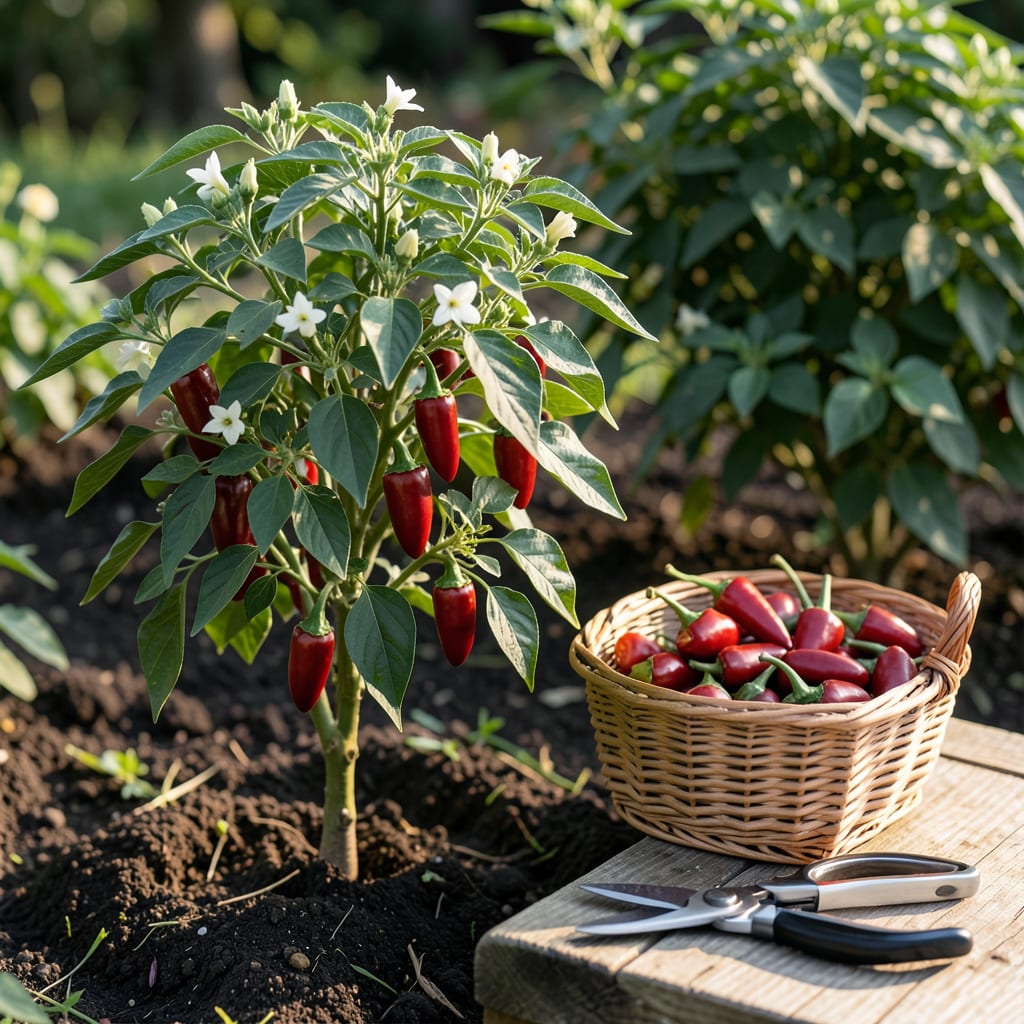
Timing your harvest perfectly can transform your Ancho Pepper 🌶️ crop from average to extraordinary. These popular peppers reveal their readiness through subtle but unmistakable signs.
I’ll show you the exact visual and texture clues to look for, so you can pick at the peak of flavor. Discover how to get the most from your harvest this season.


I’ve found that ancho peppers reveal their readiness through clear visual cues. The most obvious sign is the color transition from green to a deep red or brown. This change signals the pepper has reached its mature stage.
Another key indicator is the skin texture. Initially glossy and smooth, it gradually becomes matte and slightly wrinkled as the pepper ripens. These changes are your best clues for perfect timing.
| Ripeness Sign | Description |
| Color | Deep red or brown |
| Texture | Slightly wrinkled skin |
| Firmness | Firm but not hard |
| Stem | Begins to dry |
I always check for firmness when I’m unsure. A ripe ancho pepper should yield slightly to gentle pressure, but not feel soft or mushy. This tactile test helps confirm the visual signs.
It’s easy to make the mistake of picking too early. If the pepper is still green or yellow, it hasn’t developed its full flavor. These immature peppers often lack the mild heat and sweetness ancho peppers are known for.
On the other hand, leaving peppers too long can be problematic. Overripe ancho peppers may become mushy or split, which affects their quality for drying. I’ve learned to harvest as soon as they show the right color and texture.
The transition from glossy to matte skin is subtle but important. I watch for this change closely, as it often happens just before the pepper is fully ready. It’s a sign the pepper is nearing its peak.
Another tip I use is to check multiple peppers on the same plant. Ripening can be staggered, so I look for consistent signs across the crop. This ensures I don’t miss any that are ready.
If you’re growing ancho peppers for the first time, take notes on the ripening process. I’ve found that tracking these changes helps me fine-tune my harvest timing for future seasons.
Finally, remember that weather conditions can affect ripening. Hot, dry weather may speed up the process, while cooler temperatures can slow it down. Adjust your harvest timing accordingly. ☀️
I always harvest my ancho peppers in the early morning after the dew has dried. This timing ensures the peppers are at their fresheast and crispest for the best quality.
The ideal harvest season for ancho peppers is typically from late summer to early fall. This window aligns with their natural ripening cycle, usually 90-110 days after planting.
I’ve noticed that hot, dry weather can speed up the ripening process. In these conditions, I check my plants daily to avoid missing the perfect harvest window.
Conversely, cooler temperatures or high humidity can slow down ripening. In these cases, I allow extra time and watch for the deep red color and slightly wrinkled skin.
To ensure I don’t miss any ripe peppers, I inspect the entire plant. Ripening can be staggered, so I look for consistent signs across all the peppers.
If you’re growing ancho peppers for the first time, keep a gardening journal. I’ve found that tracking the ripening process helps me refine my harvest timing each year. ☀️
I’ve learned that timing is everything when harvesting ancho peppers. Picking them too early means you’ll miss out on their full flavor and mild heat. These peppers need time to develop their signature taste.
Underripe peppers often appear green or yellow and lack the sweetness and depth that make ancho peppers special. They also tend to be harder and less aromatic when dried.
Overripe peppers can be just as problematic. They often develop a mushy texture or may split open, which makes them unsuitable for drying. I check daily once they start changing color.
If you accidentally pick peppers slightly early, don’t worry. I’ve had success ripening them indoors by placing them in a warm, dry location. They won’t be perfect, but they’ll improve.
However, severely overripe peppers should be removed from the plant. They can attract pests or develop mold, which might spread to healthy peppers. I always inspect the entire plant for signs of overripeness.
I’ve found that keeping a close eye on the ripening process is key. The window for perfect harvest is short but rewarding. 🌿
Look for a deep red or brown hue. This color change from green signals full maturity and the best flavor development for drying.
No, green peppers lack the signature sweetness and mild heat. They’ll be harder and less aromatic when dried. Always wait for the red/brown color.
Overripe peppers may split or become mushy, ruining their texture for drying. Check daily once they start changing color to catch the perfect window.
Early morning after dew dries is ideal. The peppers are crispest then, and the cooler temperatures help preserve freshness during harvest.
