
Beautiful Plants For Your Interior
Beautiful Plants For Your Interior
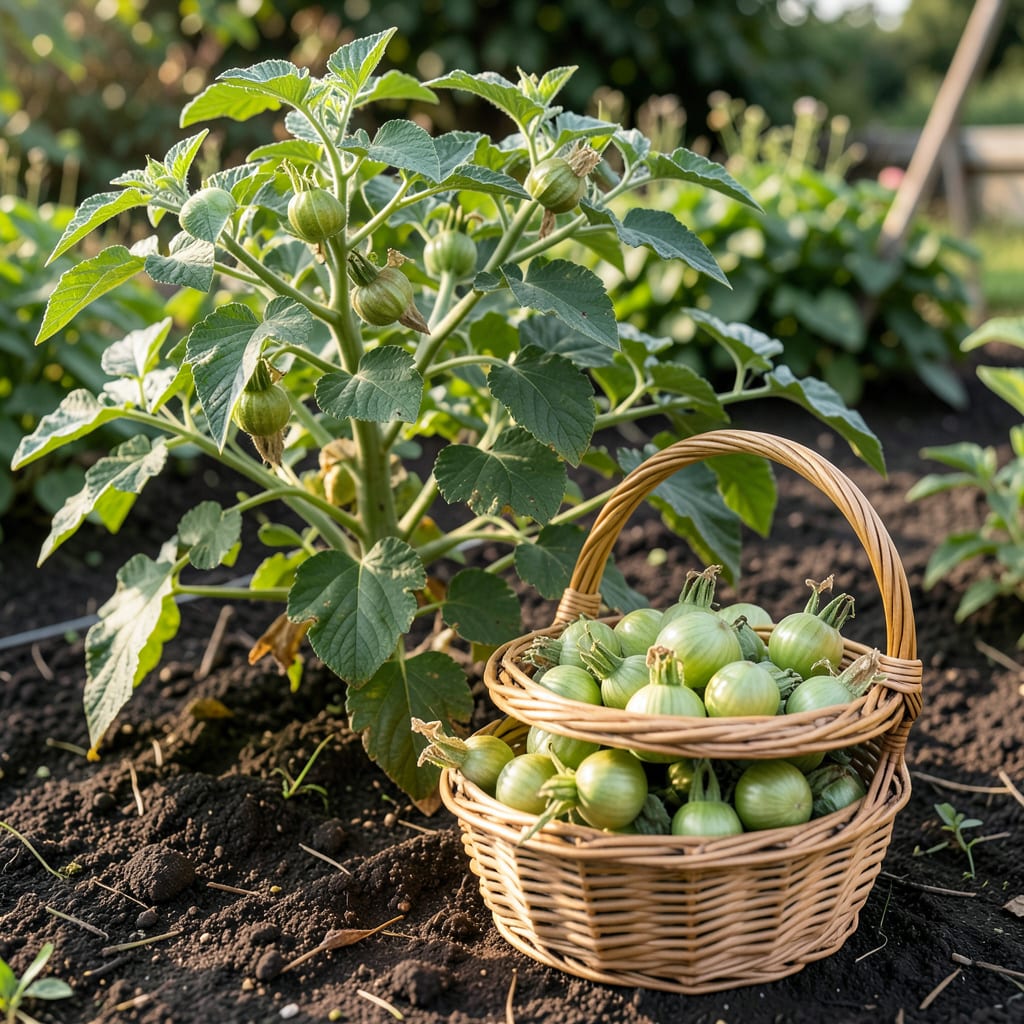
I remember the first time I picked a tomatillo too early – the flavor was all wrong. That’s when I learned the magic happens when the husk splits and the 🍅 fruit fills its shell.
Timing is everything with tomatillos. Get it right and you’ll enjoy that perfect sweet-tart balance we all love. Let me show you exactly when to harvest for the best results.


I’ve found that tomatillos are quite vocal about their ripeness if you know what to look for. The most obvious sign is when the papery husk changes from green to tan and begins to split open naturally.
This splitting reveals the fruit inside, which should be plump and filling its husk completely. The color can vary from bright green to yellow, red, or even purple, depending on the variety you’re growing.
🌱 Tomatillo Ripeness Indicators
| Sign | Description |
|---|---|
| Husk Color | Turns from green to tan/brown |
| Husk Condition | Splits open naturally |
| Fruit Size | Fills husk completely |
| Fruit Firmness | Firm to gentle pressure |
| Fruit Color | Green, yellow, red, or purple |
Don’t make the mistake of harvesting when the husk is still green – this is the number one sign your tomatillo isn’t ready. The fruit inside will be small, hard, and lacking in that characteristic tangy-sweet flavor.
Another key indicator is the fruit’s firmness. When you gently squeeze a ripe tomatillo, it should feel firm but not rock hard. If it’s soft or mushy, it’s likely overripe and may have passed its peak flavor.
The color change is variety-dependent. Green tomatillos will deepen their hue, while purple varieties will develop a richer, more vibrant color. Yellow tomatillos often indicate full ripeness in some varieties.
I always check the underside of the fruit too. Sometimes the color change starts there before becoming visible on the top. This is especially true for purple and red varieties.
Remember that tomatillos ripen from the inside out. Even if the husk hasn’t fully split, if you notice it starting to loosen and the fruit looks plump, it’s probably ready to pick.
In my experience, early morning is the best time to check for ripeness. The cool temperatures make it easier to spot the subtle color changes in both the husk and fruit.
If you’re still unsure, try picking one and tasting it. A perfectly ripe tomatillo will have a unique sweet-tart flavor that’s unmistakable. Underripe ones will be more sour, while overripe might be bland.
🌿I always harvest my tomatillos in early morning when the plants are fresh and the fruits are easiest to spot. The cool temperatures make the husks more brittle, revealing their ripeness more clearly.
The best tools are sharp pruners or scissors, though I often just use my fingers for a gentle twist. The sticky residue on the fruit is normal – it washes off easily with water.
🌱 Harvesting Essentials
I’ve found that hand-picking works best for most home gardeners. Simply grasp the fruit gently and twist until it separates from the stem. This method prevents damage to the plant and the fruit.
The sticky coating is actually natural sap that protects the fruit. While it might feel odd, it’s completely safe and won’t affect the flavor. Just rinse before using.
For post-harvest care, I recommend storing tomatillos in a paper bag or mesh container. This allows air circulation, which helps them keep longer. Avoid plastic bags as they trap moisture.
If you notice some unripe tomatillos in your harvest, don’t worry. They’ll continue to ripen off the vine at room temperature, though the flavor won’t be quite as good as vine-ripened ones. 🌿
When your tomatillos seem stuck in the green stage, don’t panic. I’ve found that temperature and sunlight are often the culprits. These plants need warm days and plenty of sun to ripen properly.
If nights are too cool (below 55°F), the ripening process slows dramatically. Consider extending the season with row covers to trap heat. This simple step can make a world of difference.
⚠️ Ripening Roadblock
Cool nights below 55°F halt ripening. Use row covers to maintain warmth and speed up the process.
Check your fertilizer routine too. Too much nitrogen can lead to lush foliage but fewer fruits. Switch to a phosphorus-rich fertilizer to encourage ripening and fruit development.
If time is running out before frost, you can pick green tomatillos and ripen them indoors. Place them in a paper bag with a ripe banana or apple – the ethylene gas will help them mature.
Remember that some varieties naturally take longer to ripen. Purple tomatillos, for example, often need a few extra weeks compared to green types. Patience is key here.
🌿Check the husk first—if it’s still green and tightly closed, the fruit isn’t ready. The fruit inside will be small, hard, and lack its signature sweet-tart flavor.
Pick them and place in a paper bag with a banana or apple. The ethylene gas will help them ripen indoors. Avoid plastic bags as they trap moisture.
Early morning is ideal when plants are fresh. The cooler temps make husks more brittle, revealing ripeness clearly. Plus, fruits are easier to spot.
Use row covers to trap heat if nights are cool (below 55°F). Also, switch to a phosphorus-rich fertilizer to encourage fruit development.
