
Beautiful Plants For Your Interior
Beautiful Plants For Your Interior
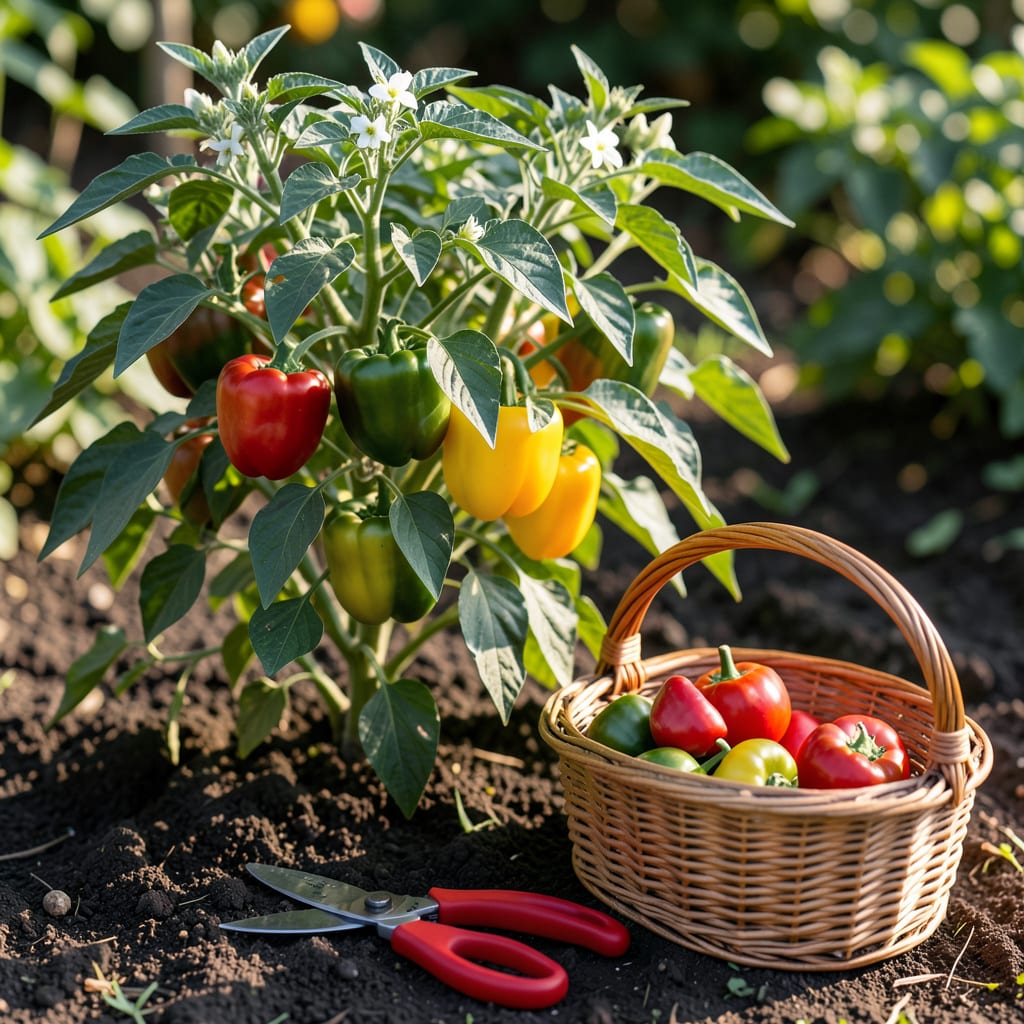
Knowing exactly when to pick your 🌶️ Pepper can transform your harvest from mediocre to magnificent. Timing separates the bland from the bold in flavor.
I’ll show you the key signs to watch for—color, firmness, and size—that guarantee you’re plucking at peak perfection. Let’s make every pepper count.


Timing your pepper harvest perfectly ensures maximum flavor and vibrant colors. Each variety has unique cues, but most follow similar ripening patterns that are easy to spot.
I always look for full color development, whether it’s red, yellow, or purple, depending on the type. A glossy skin and firm texture are sure signs your peppers are ready to pick.
| Variety | Color at Maturity | Days to Harvest | Key Signs |
|---|---|---|---|
| Bell Pepper | Green, Red, Yellow | 60-90 | Full size, firm, glossy |
| Jalapeño | Green or Red | 70-80 | Deep color, firm texture |
| Habanero | Orange, Red | 90-120 | Bright color, smooth skin |
| Banana Pepper | Yellow, Red | 60-75 | Elongated shape, firm |
Size matters too. Most pepper varieties reach their mature size before they’re ready. For example, bell peppers should be 3-4 inches long and wide when ripe.
Check the stem area as well. A ripe pepper will separate easily from the stem with a gentle twist. If it resists, it’s not quite ready for harvesting yet.
Don’t forget to consider the days to maturity listed on your seed packet. This gives you a general timeline, but visual cues are always the most reliable indicator.
For hot peppers like jalapeños or habaneros, the heat intensifies as they ripen. If you prefer milder flavors, pick them earlier. For maximum heat, wait until they’re fully ripe.
Weather can also influence ripening. Warm temperatures and plenty of sunlight speed up the process, while cooler weather may slow it down. Keep an eye on the forecast.
If you notice wrinkled skin or a soft texture, the pepper may be overripe. Harvest promptly to avoid losing your hard-earned crop to rot or pests.
Finally, I recommend harvesting in the morning when the peppers are crisp and hydrated. This ensures the best texture and flavor for your garden-fresh produce. ✂️
I always use sharp pruners or clean scissors to harvest peppers. This prevents stem damage and keeps the plant healthy for future growth. A clean cut is gentler than pulling.
If I’m hand-picking, I grasp the pepper firmly and twist gently until it separates. The stem should snap cleanly without tearing the plant. This method works well for bell peppers and similar varieties.
📋 Step-by-Step Harvesting Guide
1. Inspect the pepper for full color and firmness.
2. Use clean tools to avoid disease transmission.
3. Cut the stem about 1 inch above the pepper.
4. Harvest in dry conditions to prevent rot.
5. Check plants daily during peak ripening periods.
Harvesting in the early morning is ideal. The peppers are crisp, and the plant is less stressed. I avoid picking during rainy weather or when foliage is wet.
For jalapeños and habaneros, I wear gloves to protect my hands from oils. These varieties can be particularly irritating. Safety first when handling hot peppers!
After harvesting, I store peppers in a cool, dry place or the refrigerator. Proper storage extends their freshness. Never wash them until ready to use to prevent spoilage.
Regular harvesting encourages the plant to produce more. I make it a habit to check my pepper plants every 2-3 days during the growing season. This keeps the harvest coming strong. ✂️
I see many gardeners rush to harvest peppers too early, missing out on peak flavor and vibrant colors. Patience is key, as immature peppers often lack the sweetness or heat we crave.
On the flip side, leaving ripe peppers on the plant for too long can lead to overripening, which may cause them to soften or split. Balance is everything in gardening.
⚠️ Avoid These Harvesting Pitfalls
Picking too early results in bland flavor and poor texture.
Waiting too long can cause splitting or rot.
Mishandling the plant may damage stems and reduce future yields.
Another common mistake is pulling peppers directly from the stem. This can injure the plant and limit its ability to produce more fruit. Instead, use sharp pruners or scissors.
Also, avoid harvesting during wet conditions. Wet peppers can spread disease and make it harder for the plant to heal. Aim for dry mornings for the best results.
Lastly, don’t overlook regular checks. Peppers can ripen quickly, and missing the ideal window means missing out on the best taste and texture. A quick daily walkthrough keeps you ahead.
Look for full size (3-4 inches) and vibrant color. The skin should be glossy and firm to touch. It will separate easily from the stem with a gentle twist.
Yes, immature peppers often taste bland. For sweet peppers, wait for full color. For hot varieties, earlier picking yields milder heat. Patience pays off!
No, wet conditions can spread disease. Always harvest in dry weather, preferably in the early morning when peppers are crisp and the plant is less stressed.
They may become overripe, with wrinkled skin or soft texture. This can lead to splitting or rot. Check plants every 2-3 days during peak season.
