
Beautiful Plants For Your Interior
Beautiful Plants For Your Interior
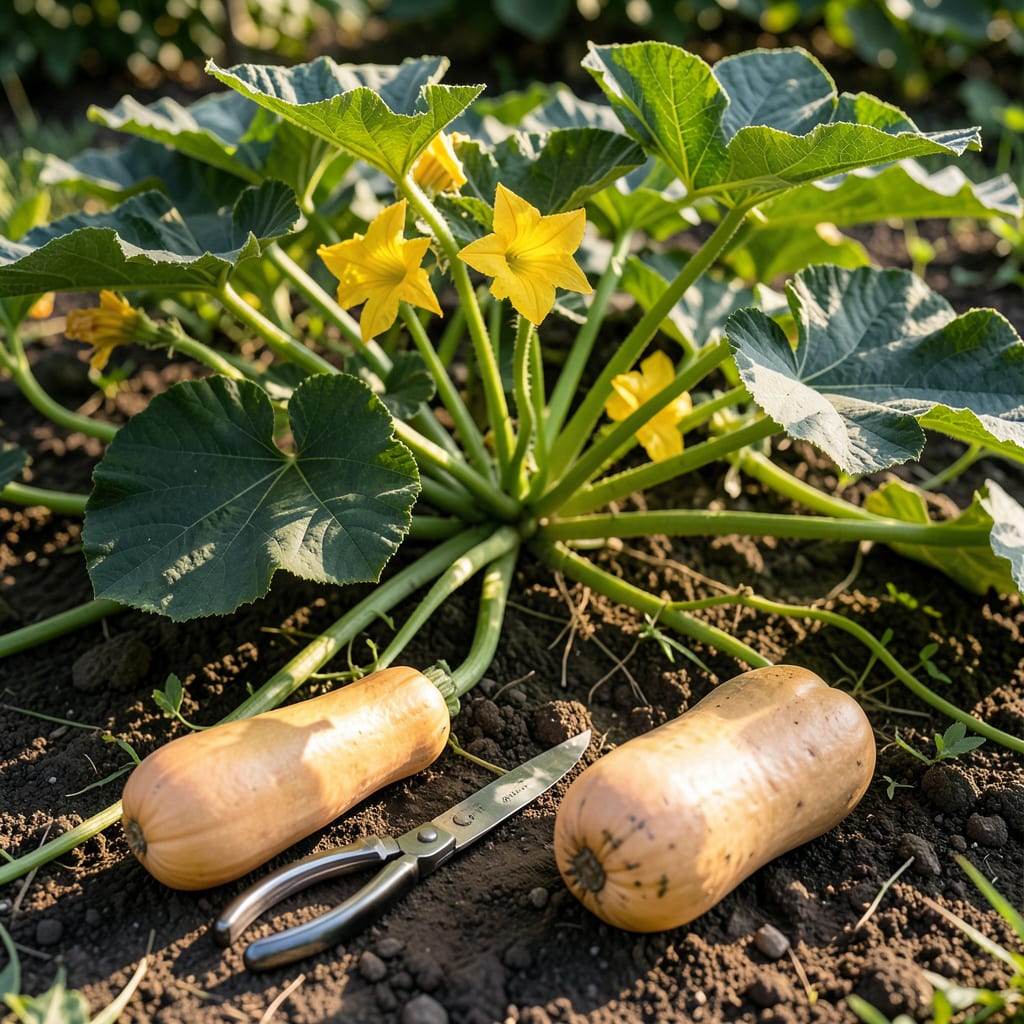
I remember my first attempt at growing 🎃 Butternut Squash – I picked them way too early and ended up with bland, underripe disappointment. Getting the timing right is the key to that perfect sweet, nutty flavor we all love.
From vine drying to the rind hardness test, I’ll show you exactly what to look for. These simple checks will ensure you harvest at peak ripeness every time.


I’ve found that butternut squash sends clear signals when it’s ready to be picked. The most reliable sign is the vines drying up and turning brown as the fruit matures. This indicates the plant is redirecting energy to the squash.
Another foolproof test is checking the rind hardness. Press your fingernail into the skin—if it resists puncturing, your squash is ready. The color should also shift to a deep tan all over the fruit.
| Sign | How to Check |
|---|---|
| Rind Hardness | Fingernail test – should resist puncturing |
| Color Change | Deep tan color all over |
| Stem Condition | Dry and brown, not green |
| Vine Appearance | Drying and turning brown |
| Days to Maturity | 85-100 days after planting |
The stem condition is another giveaway. A mature butternut squash will have a dry, brown stem. If it’s still green and supple, leave it on the vine a while longer. This simple check prevents premature harvesting.
I always recommend the tap test too. Gently tap the squash—if it sounds hollow, it’s ready. This works because the seeds inside have fully developed, creating that characteristic hollow sound.
For those tracking days to maturity, most butternut varieties take 85-100 days from planting. However, I’ve seen this vary with weather conditions, so always combine this with the physical signs.
The vines dying back is nature’s way of telling you the squash is nearing readiness. As the plant completes its life cycle, it stops sending nutrients to the leaves and focuses on the fruit. This is your visual cue to start checking other signs.
Remember that color isn’t everything. While a deep tan is ideal, some varieties may have slight green streaks. The hardness test is more reliable than color alone. I’ve made the mistake of harvesting too early based on color alone.
Lastly, check how the squash detaches from the vine. A ripe butternut will come away easily with a gentle twist. If you have to yank it, it’s not ready. This simple test can save you from damaging the plant or the fruit.
In my experience, the combination of rind hardness, stem dryness, and hollow sound gives the most accurate indication. When all three signs align, you can be confident your butternut squash is perfect for picking. ☀️
I’ve seen many gardeners rush to harvest their butternut squash too early, only to end up with underripe fruit that lacks sweetness. The most common mistake is picking when the vines are still green and healthy.
Another pitfall is ignoring the stem condition. A green, soft stem means your squash isn’t ready, while a dry, brown stem signals maturity. Don’t be fooled by size alone—maturity signs matter more. ✂️
⚠️ Warning: Avoid These Harvesting Errors
Picking too early results in poor flavor and short storage life. Waiting too long risks squash rot or animal damage. Always check the rind hardness before harvesting.
Some gardeners also misjudge color changes. A pale or green rind isn’t ready, but a deep tan color is a great indicator. I always recommend the thumbnail test—if you can’t puncture the rind, it’s ready.
Improper handling during harvest can damage the squash. Always use pruning shears or a sharp knife to cut the stem, leaving 1-2 inches attached. Never carry squash by the stem, as it can break and reduce storage life.
Another mistake is harvesting during wet conditions. Moisture can lead to mold or rot during storage. I wait for a dry, sunny day to ensure the squash stays in top condition. ☀️
Finally, don’t overlook the vines’ condition. When they start to die back, it’s nature’s way of saying your butternut squash is ready. This is often the most reliable sign of all. 🌱
Once you’ve picked your butternut squash, the work isn’t over. The curing process is essential for maximizing flavor and storage life. I always let mine cure in a warm, dry place for about 10-14 days to harden the skin further.
During curing, keep the squash at 80-85°F with good air circulation. This helps heal any minor cuts and toughens the rind. Avoid direct sunlight, as it can cause uneven drying or sunburn damage to the skin.
After curing, store your squash in a cool, dark place like a basement or pantry. The ideal temperature is 50-55°F with 50-70% humidity. Proper storage can keep your harvest fresh for 2-3 months or longer.
Never store butternut squash in the refrigerator, as the cold can cause chilling injury. Also, keep them off the floor to prevent moisture absorption. I use wooden crates or shelves for best results.
Regularly inspect stored squash for soft spots or mold. If you notice any issues, use those first to prevent spoilage. A well-cured butternut with a hard rind will keep beautifully through winter. 🌾
Press your fingernail into the skin. If it resists puncturing, the squash is ready. This is the most reliable test for ripeness.
A dry, brown stem indicates the plant has stopped sending nutrients to the fruit. A green stem means it’s still maturing on the vine.
Avoid picking in wet conditions. Moisture can lead to mold or rot during storage. Wait for a dry, sunny day instead.
Don’t harvest yet. Green vines mean the squash is still developing. Wait until they start drying and turning brown.
