
Beautiful Plants For Your Interior
Beautiful Plants For Your Interior
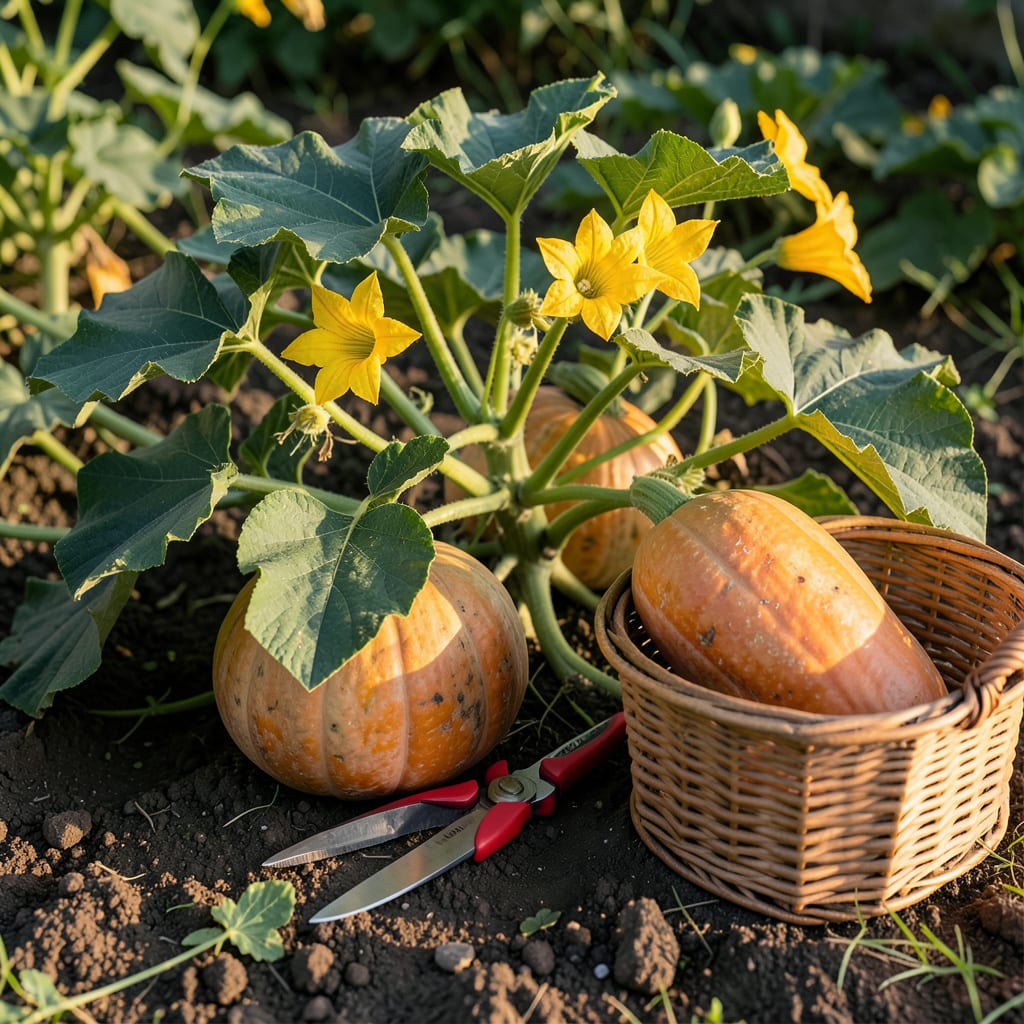
Timing your 🎃 Winter Squash harvest can make or break your crop. Pick too soon, and you’ll miss out on that rich, sweet flavor we all love.
I’ll show you the most reliable signs to look for, so you can confidently gather your squash at its peak. Trust me, your taste buds will thank you.


I check my winter squash daily as harvest season approaches. The rind hardness is my first clue—it should resist pressure from my thumbnail. This simple test works for butternut, acorn, and Hubbard varieties alike.
Another telltale sign is the stem condition. When it turns dry and woody, and the vines begin to brown, your squash is likely ready. I also look for a deep, consistent color across the entire surface.
| Variety | Rind Hardness | Stem Condition | Vine Appearance |
|---|---|---|---|
| Butternut | Cannot be punctured | Dry and corky | Brown and dying back |
| Acorn | Hard and dull | Woody and brown | Mostly brown |
| Hubbard | Very hard | Completely dry | Fully brown |
The thumbnail test is my go-to method for confirming ripeness. I press my thumbnail into the rind—if it leaves a mark, the squash needs more time. If it doesn’t, the rind is hard enough for harvest and storage.
I also pay attention to the tendrils near the stem. When they turn brown and dry, it’s another strong indicator. But remember, these tendrils might dry out before the squash is fully ripe, so I always use multiple signs.
For color changes, I compare the squash to its mature variety description. A butternut should be a deep tan, while an acorn squash typically turns dark green. Some varieties develop a second color as they ripen.
The vine condition is particularly important. As the squash matures, the vine will start to die back. When about 90% of the vine is brown and dry, it’s usually safe to harvest. I check this daily during the final weeks.
I’ve found that cool mornings are ideal for harvesting. The squash is firmer, making it easier to handle without causing bruises. I always use pruning shears to cut the stem, leaving about 2-3 inches attached to the squash.
After harvesting, I let my squash cure in the sun for about a week. This helps harden the skin further and improves storage life. Just be sure to bring them in before any chance of frost.
Remember, these visual signs work together. No single indicator is foolproof, but when you see hard rind, dry stem, and browning vines all at once, you can be confident your winter squash is ready. 🌿
I always use the thumbnail test as my first check. Press your thumbnail into the rind—if it leaves a mark, your winter squash needs more time. A mature squash will resist this pressure completely.
The tapping method is another reliable technique. Gently tap the squash with your knuckles—a ripe one will sound hollow. This works because the seeds inside have fully developed and the flesh has dried slightly.
🌱 Ripeness Tests for Winter Squash
Examining the stem and tendrils gives additional clues. The stem should be dry and corky, not green. The tendrils nearest the squash will turn brown and brittle when ready for harvest.
Be careful not to confuse dry tendrils with ripeness alone. I’ve seen tendrils dry out while the squash still needs time. That’s why I always combine this check with the rind hardness and color development tests.
For color verification, compare your squash to its variety’s mature description. A butternut should be deep tan, while acorn squash turns dark green. Some varieties develop a second color as they ripen.
I make it a habit to check my squash in the early morning when temperatures are cooler. This is when the plants are most firm, making it easier to accurately perform these tests without damaging the fruit. 🌿
Harvesting winter squash at the wrong time can lead to disappointing results. If picked too early, the squash won’t develop its full sweet flavor or store well. The rind stays soft, making it prone to bruising and rot.
Waiting too long brings its own risks. Overripe squash may split open or attract pests. The flesh can become stringy, and the seeds overdevelop, reducing the overall quality of your harvest.
⚖️ Harvest Timing: Early vs. Late
✅ Too Early
❌ Too Late
If you’ve harvested early, don’t despair. You can try ripening indoors in a warm, dry place. Place the squash in a sunny windowsill for a few days to help it mature. However, the flavor won’t be as rich as field-ripened squash.
For overripe squash, use them immediately rather than storing. They’re still edible but won’t keep as long. I’ve found that overripe butternut squash works well in soups where texture is less critical.
To avoid these issues, I recommend checking daily as harvest time approaches. Look for those key visual signs we discussed earlier—hard rind, dry stem, and browning vines. This way, you’ll catch the perfect window. 🌿
Try the thumbnail test: press your nail into the rind. If it leaves a mark, wait longer. A mature squash resists this pressure completely.
Only if the rind is hard and stem is dry. Green vines alone don’t guarantee ripeness. Always combine multiple signs for accuracy.
Frost damages unripe squash. Harvest immediately if frost is forecast, even if not fully mature. Cure indoors in a warm, dry place.
Once fully ripe, harvest within 1-2 weeks. Waiting longer risks splitting, pest damage, or reduced storage life.
