
Beautiful Plants For Your Interior
Beautiful Plants For Your Interior
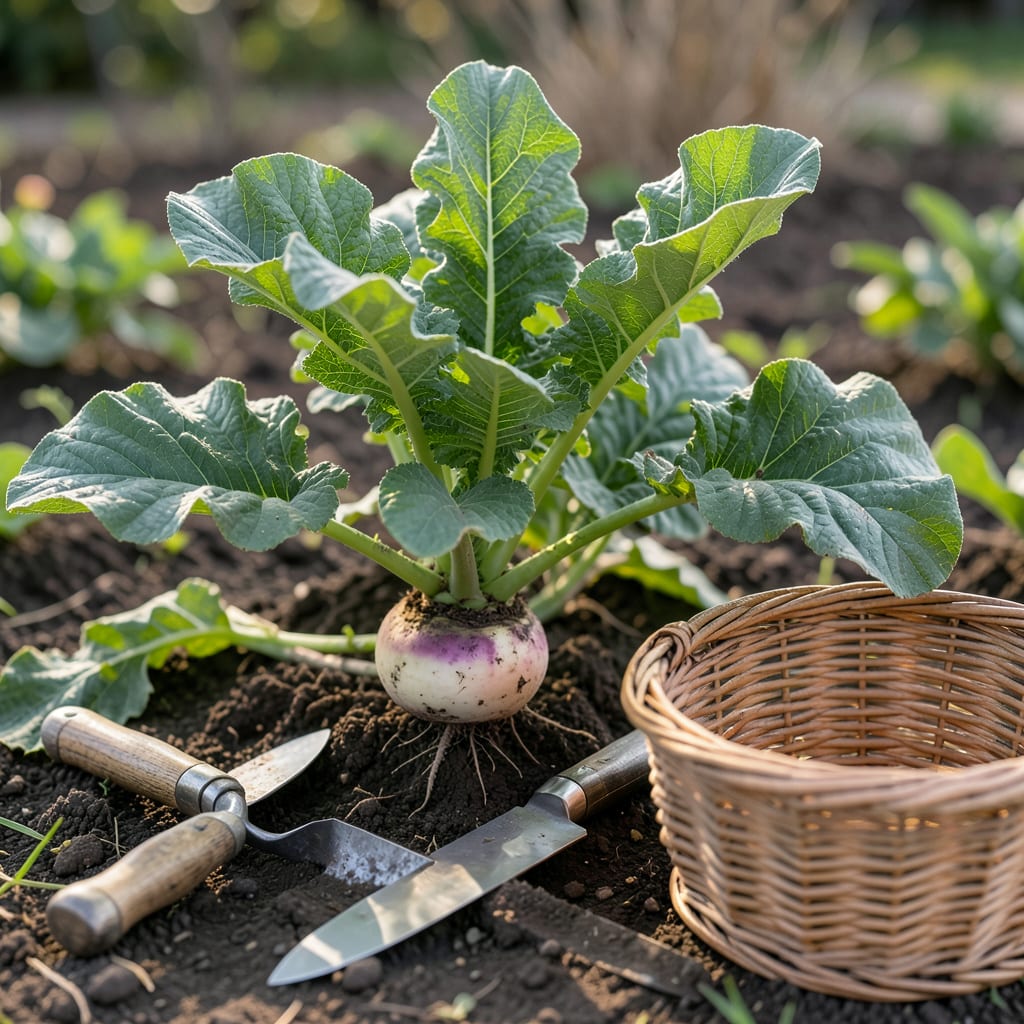
I used to pull my turnips too early, wondering why they tasted bitter. Then I discovered the simple secret: timing is everything with 🥬 Turnip.
Wait for those 2-3 inch roots and firm shoulders peeking above the soil. That’s when you’ll get the sweetest, most tender harvest from your garden.


I’ve learned that perfect turnip harvesting starts with watching for 2-3 inch diameter roots. This size guarantees the best texture and flavor from your garden beds.
Another clear sign is when the shoulders of the roots become visible above the soil line. This visual cue tells me they’re nearly ready for picking.
| Sign | Description |
|---|---|
| Root Size | 2-3 inches diameter |
| Shoulder Visibility | Top 1/3 above soil |
| Leaf Height | 4-6 inches tall |
| Skin Texture | Firm and smooth |
The tops of your turnips should be 4-6 inches tall with healthy green leaves. This foliar growth indicates the roots have developed properly underground.
I always check the skin texture too. A firm and smooth surface means the turnip is at its peak. Any softness suggests it needs more time in the ground.
For early varieties, you might see readiness in as little as 30 days. Most standard types take 50-60 days to reach perfect harvest size.
If you’re growing baby turnips, they’ll be ready at about 1-2 inches in diameter. These smaller roots are particularly tender and sweet.
I recommend harvesting in the cool morning hours for best results. The roots will be more crisp and the plants less stressed from heat.
Remember that over-mature turnips become woody and bitter. Once you see those shoulders pushing up and roots reaching size, it’s time to act.
In my experience, consistent watering leads to the most uniform root development. This makes it easier to spot when they’ve reached the ideal harvest stage.
Finally, don’t forget that cold weather can actually improve turnip flavor. A light frost often makes them sweeter, but harvest before hard freezes hit.
I’ve noticed that temperature swings can speed up or slow down my turnip growth significantly. Cooler weather tends to produce sweeter roots with better texture.
A light frost often enhances turnip flavor, making them taste more delicious. However, I always harvest before a hard freeze to prevent damage.
In spring planting, I typically see harvest readiness in 50-60 days. The warming soil helps the roots develop at a steady pace.
For fall crops, the cooler temperatures can shorten the time to 30-50 days. I love how the crisp air seems to make the turnips grow faster.
During summer heat, I harvest my turnips early to prevent them from becoming tough and bitter. The hot soil can make them mature too quickly.
I always watch the weather forecast closely as harvest time approaches. A sudden temperature drop might mean I need to pick my turnips sooner than planned.
In my experience, consistent moisture during the growing season leads to the most predictable harvest times. Dry spells can slow growth and make timing more difficult.
Remember that day length affects turnip development too. Shorter days in fall often result in faster root formation than the long days of summer.
I’ve made my share of turnip harvesting errors over the years. The most common mistake is waiting too long, which leads to woody and bitter roots. These over-mature turnips lose their tender texture.
Another frequent error is pulling turnips improperly. Jerking them out can break the roots or damage the plant. I always grasp the greens firmly and pull gently while loosening the soil with a trowel.
⚠️ Harvest Warning: Never let turnips stay in the ground past 3 inches diameter. They’ll become tough and lose flavor. Harvest during cool morning hours for best texture.
I also see gardeners forget to check soil moisture before harvesting. Dry soil makes it harder to pull turnips without breaking them. I water the bed the day before harvest for easier removal.
Storing unwashed turnips is another mistake I’ve learned from. I always brush off soil but don’t wash them until ready to use. This prevents moisture from causing rot during storage.
Finally, don’t harvest during peak heat. The stress can make turnips less crisp. I wait for cooler parts of the day to gather my crop for the best quality.
Harvest when roots reach 2-3 inches in diameter. At this size, they’re tender and sweet. Smaller roots may lack flavor, while larger ones can turn woody.
No, over-mature turnips become bitter and tough. Pull them once they reach ideal size, usually within 50-60 days after planting. A light frost can improve flavor, but harvest before a hard freeze.
Pick in the cool morning hours for crisp, fresh roots. This reduces stress on the plants and helps maintain texture. Avoid harvesting during peak heat.
Yes! Healthy greens 4-6 inches tall with firm stems often signal mature roots below. If leaves yellow or wilt, check roots immediately for over-maturity.
