
Beautiful Plants For Your Interior
Beautiful Plants For Your Interior
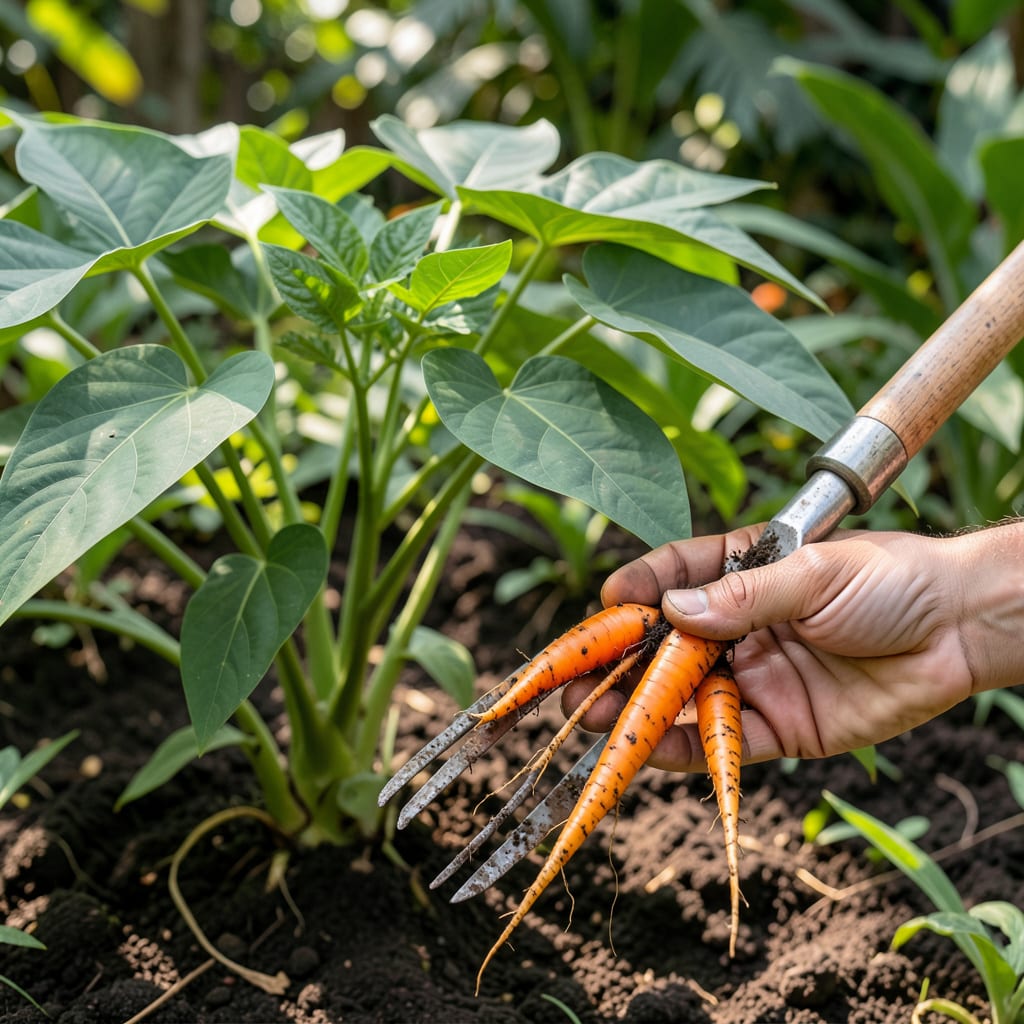
I’ve learned the hard way that timing is everything with 🌿 Turmeric. Picking too early means small, flavorless rhizomes, while waiting too long risks rot or loss of potency.
In zones 9-11, the secret is watching for yellowing leaves and drying stems—nature’s clear signal that your turmeric is ready to deliver its vibrant color and bold taste.


I always watch my turmeric plants closely as they near the 9-10 month mark. The first sign I look for is yellowing leaves, which indicates the plant is shifting energy to its rhizomes below the soil.
Another clear signal is when the stems begin to dry and wither. At this stage, the rhizomes underneath should be plump and firm, ready for digging. 🌿
| Maturity Sign | Description |
|---|---|
| Leaf Color | Turns yellow or brown |
| Stem Condition | Begins to dry and wither |
| Rhizome Size | Plump and firm under soil |
| Plant Age | 9-10 months old |
If the leaves are still green and healthy, your turmeric isn’t ready yet. The rhizomes will be small and underdeveloped, lacking the vibrant color and potent flavor you’re after.
I also check the planting timeline. Turmeric typically needs 210-270 days to mature, so if it’s been less than 200 days, I hold off on harvesting, no matter how tempting it is.
When the leaves turn completely yellow and start to dry, that’s my cue to act. I grab my gardening fork and gently dig around the base to avoid damaging the rhizomes.
It’s important to harvest before frost in cooler climates. Turmeric thrives in zones 9-11, but if you’re in a colder area, aim to dig up the rhizomes before temperatures drop below 50°F. ☀️
I’ve found that morning harvesting works best. The soil is softer, and the plants are less stressed from heat. Plus, it gives me time to clean and cure the rhizomes properly before storage.
After digging, I shake off excess soil and let the rhizomes dry in a shady, well-ventilated area for a few days. This helps them develop their characteristic deep orange color and intense flavor. 🌱
If you’re unsure, dig up one test rhizome to check its size and firmness. If it meets your expectations, the rest of the plant is likely ready too. This small step can save you from harvesting too early.
I’ve found that climate plays a huge role in when to harvest turmeric. In tropical zones, the plant thrives year-round, but in temperate areas, the window narrows significantly.
For most gardeners in zones 9-11, late fall is prime time, as temperatures start to dip. Turmeric prefers warm soil, so I avoid harvesting if nights drop below 50°F. ☀️
If you planted in early spring, your turmeric will likely be ready by late fall. However, if you started later in the season, you might need to extend the growing period.
I always check the weather forecast before harvesting. A sudden cold snap can damage the rhizomes, so I aim to dig them up 1-2 weeks before the first expected frost. 🌱
For container-grown turmeric, I monitor soil temperature closely. If it drops below 60°F, I move the pots indoors or harvest immediately to prevent stress.
In warmer climates, I can afford to wait for the perfect visual cues, like fully yellowed leaves. But in cooler areas, I prioritize beating the frost, even if the leaves aren’t completely dry yet.
I’ve made my share of turmeric harvesting mistakes, and learning from them has saved my future crops. The most common error is harvesting too early, which results in small, weak rhizomes.
Another pitfall is using a shovel instead of a fork. A sharp shovel can slice through rhizomes, while a gardening fork gently lifts them intact. 🌿
⚠️ Warning: Never pull turmeric by its stems. This can break the rhizomes and reduce your yield significantly.
I’ve also seen gardeners wait too long to harvest, especially in cooler climates. Once temperatures drop below 50°F, the rhizomes can start to rot in the soil.
Improper post-harvest handling is another issue. Leaving freshly dug rhizomes in direct sunlight can cause them to dry out too quickly, losing flavor and color.
Lastly, don’t skip the curing process. Letting rhizomes dry in a shady, airy spot for a few days enhances their color and potency. ✂️
Turmeric typically reaches maturity in 210-270 days, or about 9-10 months. Look for yellowing leaves and drying stems as key indicators it’s ready.
Harvesting before 200 days often results in small, underdeveloped rhizomes with weak flavor and color. Wait for the leaves to turn yellow or brown first.
In zones below 9, dig up rhizomes before temperatures drop below 50°F. Move potted plants indoors or harvest early to prevent frost damage.
Gently dig near the base to check for plump, firm rhizomes. If they feel large and solid, the rest of the plant is likely ready too.
