
Beautiful Plants For Your Interior
Beautiful Plants For Your Interior
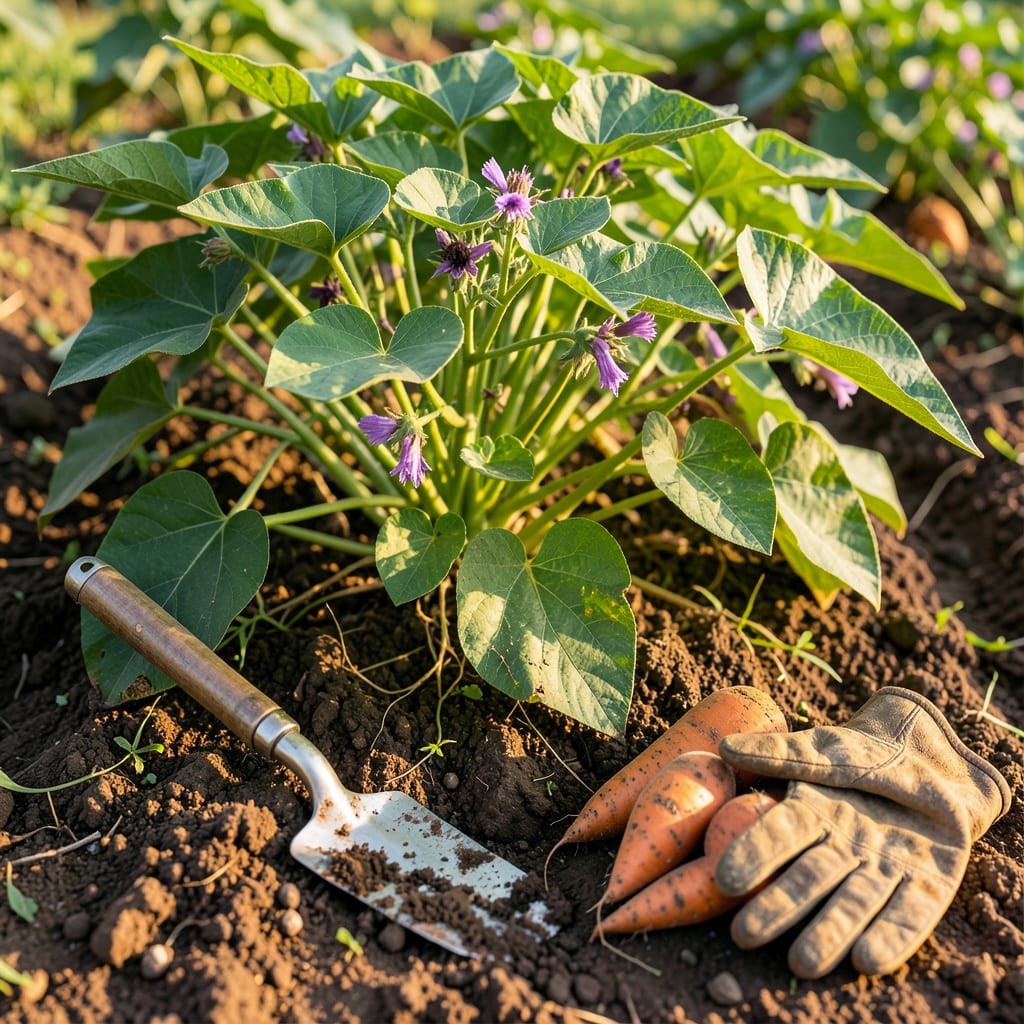
Knowing exactly when to pull your 🍠 Sweet Potatoes from Texas soil can transform your harvest. The Lone Star State’s unique climate means timing is everything for peak flavor and yield.
I’ll show you the key signals to watch for and how Texas’ growing zones affect your ideal harvest window. Let’s dig into what makes this season so special.


Timing your sweet potato harvest in Texas means watching for visual cues and seasonal signals. Unlike cooler climates, Texas heat speeds up maturity, so I start checking 90–120 days after planting slips.☀️
The most reliable sign is leaf yellowing, which indicates the plant is shifting energy to tuber growth. I also look for vines slowing down or wilting slightly, a clear signal that harvest time is near.
| Harvest Sign | What to Look For | Texas Tip |
|---|---|---|
| Leaf Color | Yellowing leaves | Start checking at 100 days |
| Vine Growth | Slowing or wilting | Heat speeds this up |
| Tuber Size | 3–5 inches long | Dig gently to check |
| Skin Test | Resists scratching | Use thumbnail to test |
I always do a test dig before harvesting the whole crop. Using my hands or a garden fork, I gently uncover a few tubers to check their size and skin toughness. If they’re 3–5 inches and the skin resists scratching, they’re ready.
Texas’ heat can make sweet potatoes mature faster than the package says. In Zone 8a, I’ve harvested as early as 90 days, while in Zone 10, they might need the full 120 days because of slower heat accumulation.
Another trick I use is watching the weather forecast. If a cold snap is coming, I’ll harvest early to avoid frost damage. Sweet potatoes can’t handle temperatures below 50°F, so timing before the first frost is critical.
The soil temperature matters too. I aim to harvest when soil is above 60°F. Cooler soil can lead to chilling injury, which affects flavor and storage life. A soil thermometer is a handy tool for this.
I’ve learned that Beauregard and Georgia Jet varieties often mature faster in Texas. Beauregard can be ready in 90–100 days, while Georgia Jet might take 100–110 days in warmer zones.
Don’t wait for all the leaves to turn yellow. If most of the vine shows significant yellowing, it’s time. Waiting too long can lead to overly large tubers that are woody or cracked.🌱
Finally, I always harvest on a dry day. Wet soil makes tubers harder to cure and can encourage rot or disease. After digging, I let them dry in the sun for a few hours before moving them to a curing location.
Texas spans USDA Zones 6–10, and each has its own ideal harvest window. In Zone 6, I aim to pull sweet potatoes by mid-October to beat the first frost. The shorter growing season here means planting early is key.☀️
For Zones 7–8, which cover much of central Texas, the sweet spot is late September to early November. The longer warm season gives tubers more time to size up, but I still watch for early frost warnings.
| Growing Zone | Harvest Window | Key Consideration |
|---|---|---|
| Zone 6 | Mid-October | Beat first frost |
| Zone 7–8 | Late Sept–Early Nov | Monitor frost alerts |
| Zone 9 | October–November | Longer warm season |
| Zone 10 | November–December | Harvest before cold snaps |
In Zone 9, like Houston or San Antonio, I can often push harvest to late November. The mild winters here mean less frost risk, but I still aim to finish before soil temps drop below 60°F.
Zone 10 gardeners in the Rio Grande Valley have the longest window. I’ve successfully harvested sweet potatoes as late as early December, but I always check the 10-day forecast for unexpected cold.🌱
For early planted crops, I adjust my timeline accordingly. If I planted slips in March, I’ll start checking for readiness in early June. But for late plantings in June or July, I expect to harvest in September or October.
Varieties matter too. Beauregard does well in most zones and typically matures in 100 days. In hotter zones, I’ve seen it ready in 90 days. Georgia Jet is another great Texas choice, often maturing in 100–110 days.
Harvesting sweet potatoes at the wrong time in Texas can impact flavor, storage life, and yield quality. I’ve learned that timing is crucial for getting the best results from your crop.☀️
If you pull them too early, the tubers may be small and underdeveloped. They won’t have reached their full sugar content, leading to a bland taste. Plus, their skin will be thin, making them prone to damage during curing.
On the other hand, waiting too late can cause tubers to become overgrown and woody. In Texas’ heat, they might also split or crack if left in the ground too long. Pests and diseases are another concern, as mature tubers attract more attention from soil-borne threats.
I’ve found that frost is the biggest risk for late harvesting. Even a light frost can damage the vines and ruin the tubers. If the soil temperature drops below 50°F, the tubers can develop chilling injury, which affects their storage life and flavor.
In my experience, the ideal window is when most leaves have yellowed and the skin resists scratching. This ensures the tubers are mature but not overripe. I always aim to harvest before the first frost to avoid any weather-related issues.
By paying close attention to these signs and timing, you can ensure a high-quality harvest every time.🌱
Look for yellowing leaves and slowing vine growth. Do a test dig to check if tubers are 3–5 inches long with firm skin that resists scratching.
Overmature tubers may become woody or cracked. Texas heat can also cause splitting or attract pests, reducing storage life.
Never wait for frost. Even light frost damages vines and tubers. Harvest before soil temps drop below 50°F to prevent chilling injury.
In Zone 6, harvest by mid-October. Zone 9–10 allows waiting until November–December. Always check the 10-day forecast for cold snaps.
