
Beautiful Plants For Your Interior
Beautiful Plants For Your Interior
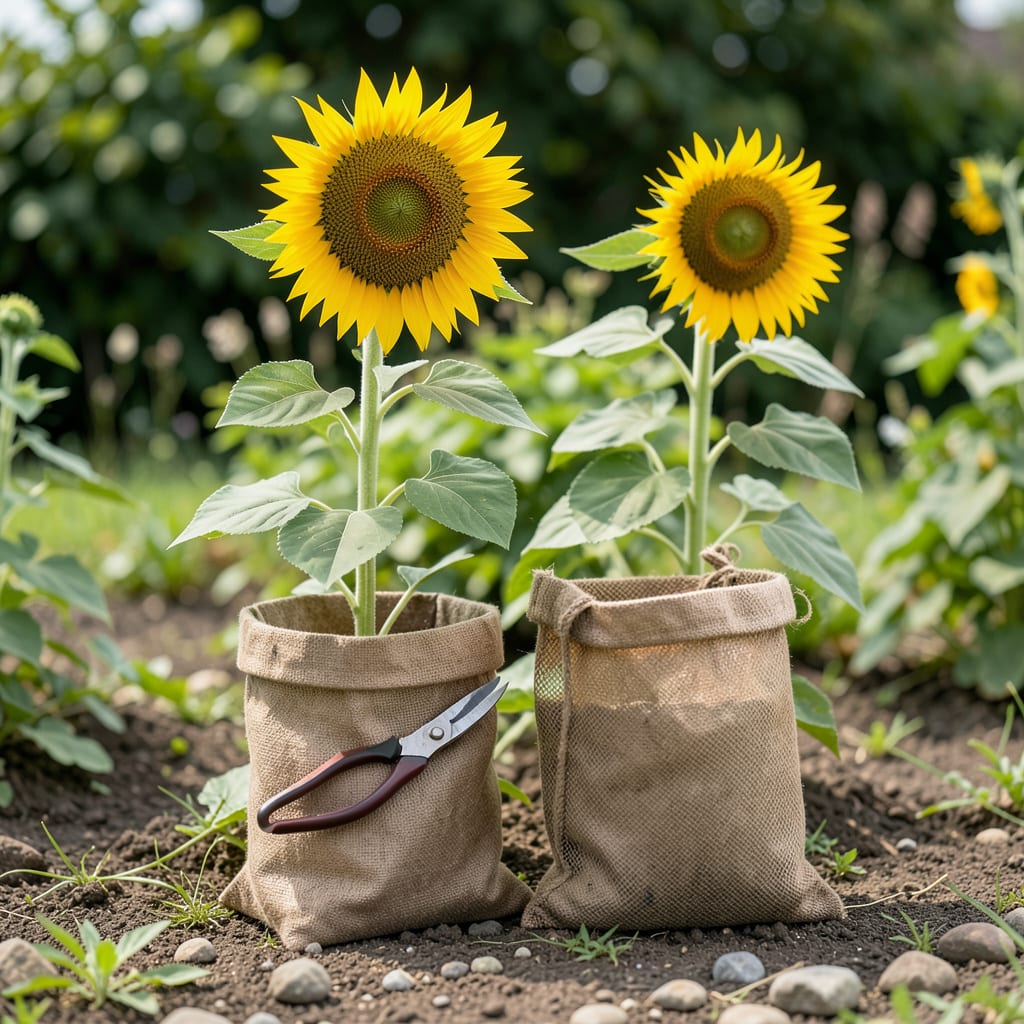
Timing is everything when it comes to harvesting Sunflower seeds. That moment when the back of the head turns yellow is your cue that nature’s ready to share its bounty.
I’ll show you the easiest way to spot this and other signs so you never miss the perfect harvest window. Let’s get those seeds just right.


Harvesting sunflower seeds at the perfect moment ensures the best flavor and viability. The most reliable sign is when the back of the head turns from green to yellow or brown. This change signals that the seeds inside are maturing.
You’ll also notice the petals start to wilt and fall off. The seeds themselves will appear plump and fully formed, often with a darker color. These visual cues are your green light to start harvesting.
🌻 Sunflower Seed Harvest Readiness Signs
| Visual Cue | What It Means |
| Back of head yellow/brown | Seeds are mature and ready |
| Petals wilted or fallen | Flower has finished blooming |
| Seeds plump and dark | Seeds are fully developed |
| Head droops slightly | Indicates moisture loss, seeds drying |
Another sign to watch for is the head drooping slightly. This happens as the seeds dry out and the head becomes heavier. It’s a natural part of the maturation process, so don’t be alarmed.
The stem below the head may also start to look a bit dry or brown. This is a good indicator that the plant is diverting its energy away from the flower and into the seeds.
I always check the seeds themselves for the final confirmation. Gently press a few seeds with your fingernail. If they’re hard and don’t dent easily, they’re ready for harvest.
If you see birds starting to peck at your sunflower heads, that’s another sign they’re ripe. Birds have an uncanny sense for when seeds are ready, so their interest is a great clue.
Remember, timing can vary slightly depending on your sunflower variety and local climate. But these visual signs are universal across most types, from the giant mammoths to the smaller teddy bear varieties.
For the best results, I recommend checking your sunflowers daily once they start showing these signs. The window for optimal harvest is usually about 1-2 weeks after the back of the head turns yellow.
Harvesting at the right time ensures your seeds will be plump, flavorful, and perfect for saving or sharing. It’s one of the most rewarding parts of growing sunflowers!
Trust your eyes and these simple signs, and you’ll never miss the perfect harvest window again ✂️
Timing your harvest in the early morning helps prevent seed loss. The cooler temperatures and lower humidity make it easier to handle the heads without seeds scattering. This is especially important for tall sunflower varieties that can be unwieldy.
You’ll need just a few tools: sharp pruners, gardening gloves, and a clean bucket or bag. The pruners ensure a clean cut, while gloves protect your hands from the rough stems and any remaining sap.
🌻 Harvesting Steps for Perfect Seeds
When cutting the stem, leave about 4-6 inches below the head. This gives you something to hold onto while working with the head. Make the cut at a 45-degree angle to prevent water from pooling on the stem, which could lead to mold.
After cutting, handle the head carefully. I like to place mine in a paper bag or on a clean towel in a well-ventilated area. This allows the seeds to continue drying while protecting them from moisture and pests.
Once the head is completely dry, the seeds should loosen easily. You can rub two heads together or use your fingers to gently dislodge the seeds. If they don’t come off easily, the head may need more drying time.
Finally, store your seeds in airtight containers in a cool, dry place. This preserves their viability for planting next season or for enjoying as a snack. Proper storage keeps them fresh for months ✂️
Even experienced gardeners sometimes harvest sunflower seeds too early. If the back of the head is still green, the seeds aren’t mature. This results in small, underdeveloped seeds that won’t store well.
Waiting too long is another common error. Once the head is fully brown and dry, birds may peck at the seeds or wind can scatter them. The seeds may also sprout prematurely if left on the plant too long.
⚠️ Harvesting Warning
Harvesting too early or too late can ruin your seed crop. Aim for that yellow-brown back and plump seeds to ensure the best results.
Improper drying can lead to moldy seeds. Always dry heads in a well-ventilated area away from moisture. Avoid plastic bags, which trap humidity and encourage mold growth.
Another mistake is skipping the cleaning step. After removing seeds, I always rinse and dry them thoroughly. This removes any remaining plant debris and ensures clean, long-lasting seeds.
Finally, poor storage can ruin good seeds. Keep them in airtight containers in a cool, dry place. This prevents moisture and pests from damaging your hard-earned harvest.
By avoiding these mistakes, you’ll enjoy a bountiful seed harvest every time ☀️
Press a few seeds with your fingernail. If they’re hard and don’t dent, they’re ready. Look for dark, plump seeds that fill their shells completely.
Seeds may fall out naturally or attract birds. The head could also become too dry, making seed removal difficult. Aim to harvest within 1-2 weeks of yellowing.
After. When petals have wilted and fallen, it signals the seeds are maturing. The back of the head turning yellow or brown confirms it’s time.
No. A green back means seeds are immature. Harvesting too early results in small, underdeveloped seeds that won’t store well.
