
Beautiful Plants For Your Interior
Beautiful Plants For Your Interior
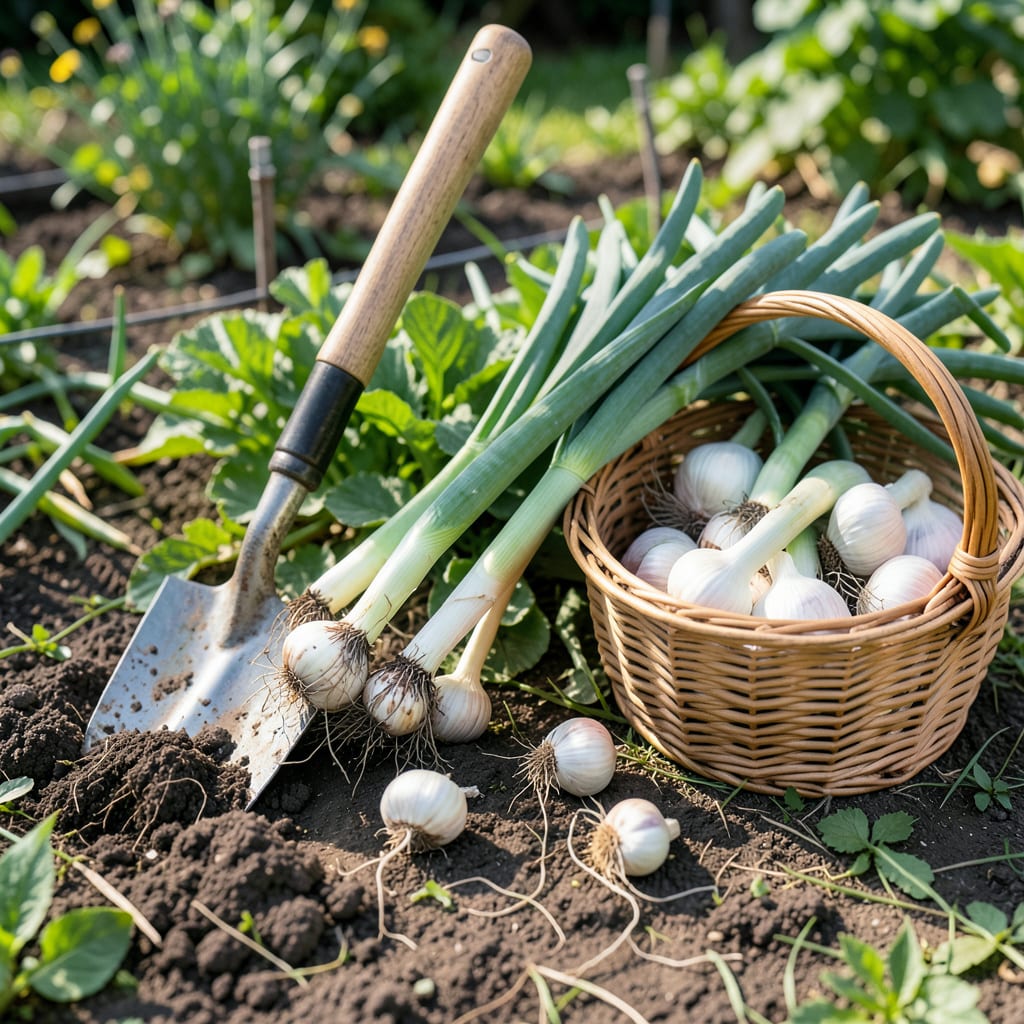
Knowing exactly when to pull your 🧄 from the soil can make or break your harvest. Timing is everything with softneck garlic, and missing the window by even a week can mean the difference between perfect bulbs and a split, disappointing crop.
I’ll show you the field-tested signs to watch for and the simple steps to ensure you’re picking at the optimal moment. Let’s get this right together.


Timing your softneck garlic harvest perfectly ensures the best flavor and storage life. The key is watching for visual cues from the plant itself rather than just relying on the calendar. I’ve found these signs never lie if you know what to look for.
First, check the lower leaves. When they start turning yellow or brown, while the upper leaves stay green, your garlic is sending a clear signal. This typically happens in late spring or early summer, depending on your planting date.
| Sign | What to Look For | Why It Matters |
|---|---|---|
| Lower Leaf Browning | 1/3 of leaves yellow/brown | Energy redirects to bulb maturity |
| Upper Leaf Condition | 5-6 green leaves remain | Ensures bulb isn’t overripe |
| Bulb Wrappers | Thick, dry, paper-like | Protects cloves during storage |
| Stem Softening | Base of stem softens | Indicates full bulb development |
Another critical sign is the bulb wrapper. Gently brush away soil at the base and feel for thick, dry layers. If the wrappers feel thin or damp, your garlic needs more time. This protective layer is what keeps your bulbs fresh for months in storage.
Don’t ignore the stem condition either. When the lower portion of the stem begins to soften, it’s a sure sign the bulb is nearing maturity. However, if the entire stem is still firm, resist the urge to pull—patience pays off here.
I’ve made the mistake of harvesting too early when all leaves were still green. The result? Small, underdeveloped bulbs that didn’t store well. On the flip side, waiting until all leaves brown can lead to split bulbs or cloves starting to separate.
The 5-6 green leaf rule is my go-to. When about one-third of the leaves have browned but the top portion remains green, it’s time. This balance ensures maximum bulb size and proper wrapper formation for storage.
Weather can influence timing too. In hotter climates, garlic may mature faster, while cooler areas might need an extra week or two. Always prioritize the plant’s signals over the calendar, but keep an eye on the forecast—prolonged rain can delay maturity.
For the most accurate check, I recommend digging a test bulb. Carefully excavate one plant and examine the bulb. If the cloves are well-formed and the wrappers are dry, the rest are likely ready. If not, give them a few more days.
Remember, softneck varieties like ‘Silverskin’ or ‘Artichoke’ typically mature a bit later than hardnecks. This is normal—don’t rush them. The extra wait is worth it for those plump, long-storing bulbs we all love. ☀️
While softneck garlic and hardneck garlic share similarities, their harvest timing differs significantly. Softnecks typically mature 1-2 weeks later than hardnecks, which is crucial for planning your garden schedule.
Softnecks like ‘Silverskin’ or ‘Artichoke’ often show readiness through lower leaf browning while maintaining 5-6 green upper leaves. Hardnecks, however, may have curling scapes as an additional signal.
| Feature | Softneck Garlic | Hardneck Garlic |
|---|---|---|
| Harvest Time | 240-270 days | 210-240 days |
| Key Visual Sign | Lower leaf browning | Scapes curl + lower leaves brown |
| Storage Life | 8-12 months | 3-6 months |
| Bulb Wrappers | Multiple tight layers | Fewer, looser layers |
Softnecks are more forgiving if left in the ground slightly longer, as their tight wrappers protect against splitting. Hardnecks, however, can split open if overripe, exposing cloves to pests and rot.
In my experience, softneck varieties handle warmer climates better, making them ideal for southern gardeners. Their longer storage life is another advantage, allowing you to enjoy homegrown garlic nearly year-round.
For both types, I recommend morning harvesting when soil is cool and bulbs are firm. This reduces stress on the plants and makes cleanup easier. Just
The key difference in post-harvest care is that softnecks can be braided for storage due to their flexible stems, while hardnecks must be stored in mesh bags or on wire racks for airflow. 🌿
Once you’ve pulled your softneck garlic from the soil, the work isn’t over. Proper post-harvest care is crucial for flavor and storage life. I’ve learned that rushing this process can ruin months of careful growing.
First, brush off excess soil but don’t wash the bulbs. Getting them wet now can lead to rot during curing. Handle them gently to avoid bruising the cloves inside.
The curing process is non-negotiable. Lay your garlic in a single layer in a well-ventilated area. I use my garage with fans running for consistent airflow.
Avoid direct sunlight exposure during curing, as it can bleach the wrappers and affect flavor. The ideal temperature range is 70-80°F with low humidity. 🌡️
After curing, trim the roots to 1/4 inch and clean up the stems. For softnecks, you can braid the stems for convenient storage. This also makes a beautiful kitchen decoration!
Finally, store your cured garlic in a cool, dark place with good air circulation. Properly cured softneck garlic can last 8-12 months in these conditions. 🌿
If all leaves are still bright green and stems feel firm, your bulbs need more time. Harvesting now yields small, underdeveloped cloves that won’t store well. Wait for lower leaf browning first.
Overripe bulbs may split open, exposing cloves to pests and rot. The wrappers can also deteriorate, reducing storage life. Aim to pull when 5-6 upper leaves remain green.
Avoid harvesting during wet conditions. Wet soil makes cleaning difficult, and excess moisture can lead to rot during curing. Wait for a dry spell when soil is workable.
For softnecks, scapes rarely form, but if they do, removing them can redirect energy to bulb growth. This is more critical for hardnecks, but won’t hurt softnecks if done early.
