
Beautiful Plants For Your Interior
Beautiful Plants For Your Interior
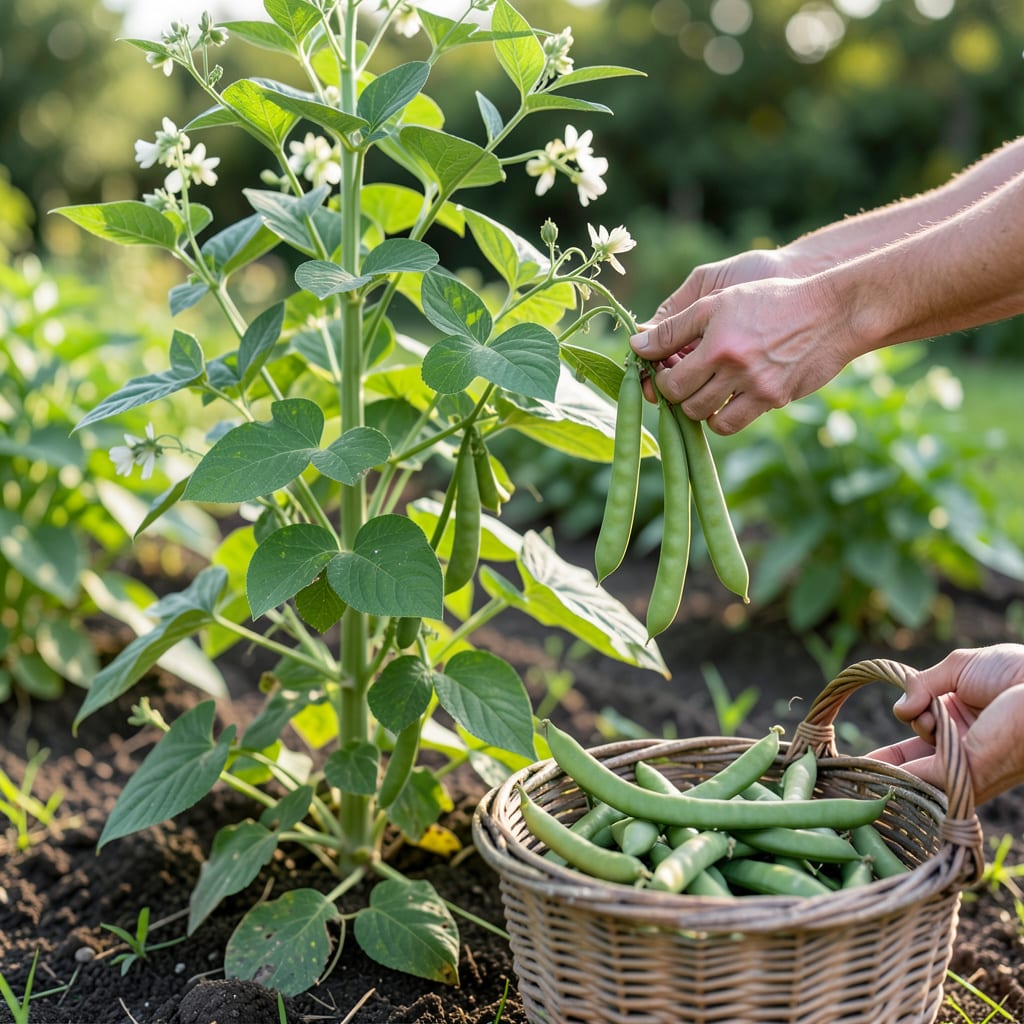
Nothing beats the satisfaction of plucking perfect 🌱 Snap Beans from your garden at just the right moment. Timing is everything when it comes to that ideal crispness and sweet flavor.
I’ll show you how to spot the key signs of ripeness and the best techniques for picking. With these tips, you’ll enjoy a bountiful harvest all season long.


Timing your snap bean harvest is crucial for the best flavor and texture. I always look for visual cues like pod size and color first. The ideal pods are 4-6 inches long and uniformly bright green.
Another reliable test is the “snap test”. Gently bend a pod—if it snaps cleanly with a crisp sound, it’s ready. This method works for both bush and pole beans, though pole varieties may take slightly longer to mature.
| Sign | Description |
|---|---|
| Pod Size | 4-6 inches long |
| Color | Bright, uniform green |
| Texture | Firm and crisp |
| Snap Test | Breaks cleanly when bent |
| Seeds | Not visible through pod |
I check my plants daily once pods start forming. Bush beans often mature faster, while pole beans may need a few extra days. Both types should be harvested before the seeds bulge through the pod.
Color is another key indicator. Most varieties turn a vibrant green when ready, but some heirloom types may have purple or yellow hues. Always refer to your seed packet for variety-specific traits.
The texture should be firm to the touch. If a pod feels soft or limp, it’s either overdue or under-watered. I avoid harvesting after rain, as wet pods can be slimy and prone to mold.
For the best results, I pick in the early morning when temperatures are cooler. This helps preserve the crispness and freshness of the beans. Using sharp scissors or my fingernails, I snip the pods carefully to avoid damaging the plant.
Regular harvesting encourages the plant to produce more. I make it a habit to check my snap bean plants every 2-3 days during peak production. This prevents pods from becoming tough and stringy.☀️
If you notice yellowing leaves or dropping pods, it might be a sign of over-maturity. In such cases, I remove the older pods immediately to redirect the plant’s energy to new growth.
Finally, taste-testing is the ultimate check. A perfectly ripe snap bean should be sweet and juicy with no bitterness. If it passes all these tests, it’s time to enjoy the fruits of your labor!🌱
Harvesting snap beans correctly ensures a continuous supply of fresh pods. I always use sharp scissors or my fingernails to avoid damaging the delicate stems. Picking in the early morning helps retain crispness.
I check my plants every 2-3 days during peak season. Regular harvesting signals the plant to produce more, preventing over-mature pods that can inhibit growth. This keeps my garden productive all summer long.
I always support the plant stem with one hand while picking with the other. This prevents accidentally pulling up the entire plant. It’s a simple technique that saves me from many garden mishaps.
For pole beans, I use a small ladder or stool to reach the higher pods. This makes harvesting easier and prevents me from accidentally stepping on other garden plants. Safety first in the garden!
After harvesting, I immediately inspect the plants for any signs of pests or disease. Early detection means I can address issues before they spread. Healthy plants mean a better harvest next time.🌱
Finally, I
Even experienced gardeners sometimes make harvesting mistakes with snap beans. I’ve learned that waiting too long to pick is the most common error. Pods left on the plant become tough and stringy quickly.
Another frequent issue is using dull tools that crush stems. This can damage the plant and reduce future yields. I always keep sharp scissors or pruners handy for clean cuts.
⚠️ Warning: Avoid these common pitfalls to protect your snap bean harvest:
Neglecting regular picking is another mistake I see often. Snap beans produce best when harvested every 2-3 days. Skipping checks allows pods to grow too large, which signals the plant to stop producing.
Harvesting when plants are wet from rain or dew can spread disease. I always wait for dry conditions to pick. Morning harvesting is ideal, but only after the foliage has dried completely.
Finally, pulling pods instead of cutting them can damage delicate vines. I gently hold the stem with one hand while picking with the other to prevent accidental uprooting. This simple technique saves many plants in my garden.☀️
Check daily once pods start forming. Bush beans mature faster, while pole beans may need a few extra days. Both should be harvested before seeds bulge through the pod.
Pick in the early morning when it’s cool. This preserves crispness and freshness. Avoid harvesting when plants are wet from rain or dew to prevent disease.
Overripe pods feel soft or limp and may show seed bulges. They often turn dull in color. These should be removed immediately to encourage new growth.
Use sharp scissors or your fingernails for clean cuts. Always support the stem with one hand while picking with the other to avoid damaging the plant.
