
Beautiful Plants For Your Interior
Beautiful Plants For Your Interior
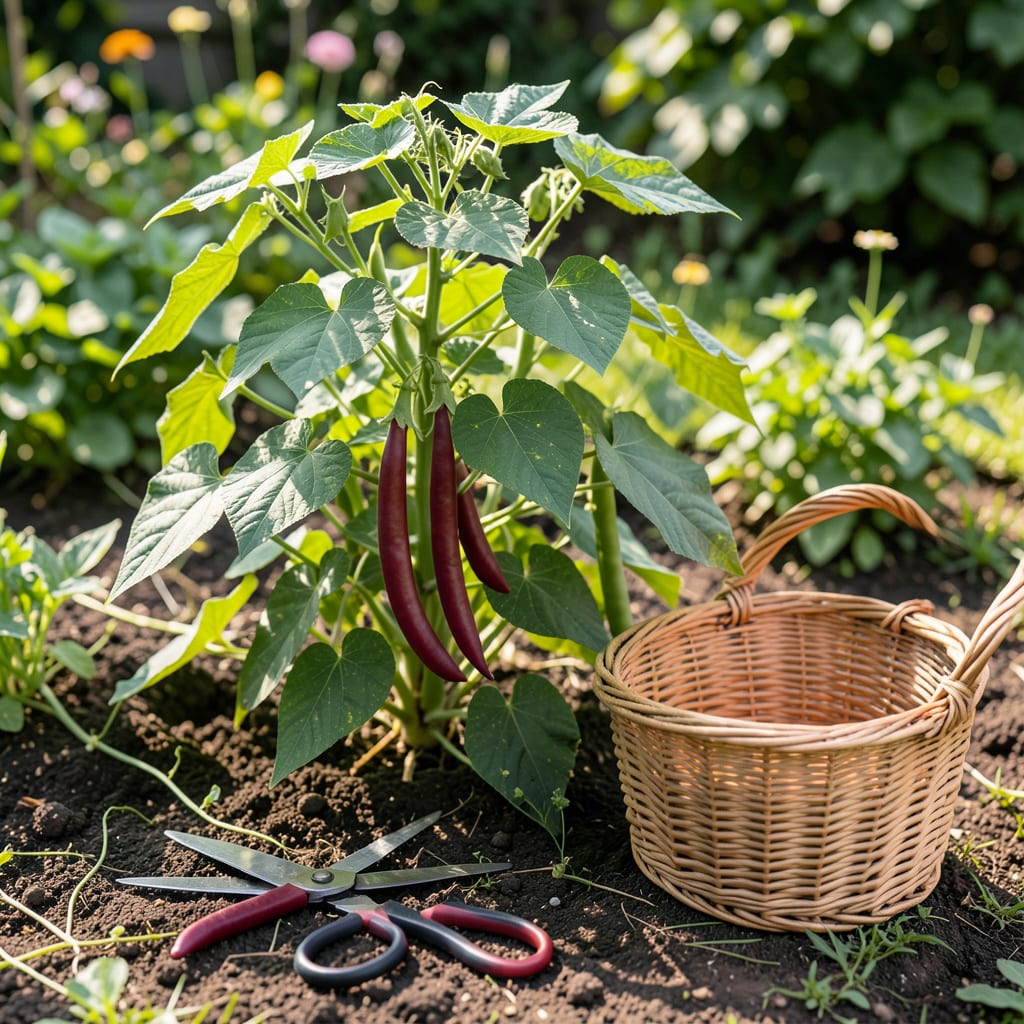
Timing is everything when growing Scarlet Runner Bean 🌱. Those tender, flavorful pods can turn tough and stringy if left on the vine too long.
I’ll show you exactly what to look for to harvest at peak perfection. From visual cues to the best time of day, you’ll learn how to pick these beans when they taste their best.


With Scarlet Runner Beans, the visual cues are unmistakable once you know what to look for. I watch for pods reaching 8-10 inches long, though they’re often ready at 6 inches for tender eating. The color is another telltale sign.
The pods transition from a vibrant green or scarlet to a slightly duller hue as they mature. This subtle shift indicates the seeds inside are developing but still small enough for the best texture. The texture itself should feel firm yet snap-able when bent.
| Sign | Description |
|---|---|
| Pod Length | 8-10 inches for mature, 6+ inches for tender |
| Color Change | Shifts from bright to slightly dull green/scarlet |
| Texture | Firm with a slight give, snaps cleanly |
| Seed Visibility | Small bumps visible but not bulging |
| Harvest Frequency | Every 2-3 days to encourage more production |
I always check the seeds inside the pod. When they’re just visible as tiny bumps but not yet plump or bulging, that’s your perfect window. If the seeds look fully formed, you’ve waited too long, and the pods will be fibrous.
The snap test is my go-to method. A ripe pod should break cleanly when bent. If it bends without snapping or feels rubbery, it needs more time. Conversely, if it’s so rigid it cracks harshly, it’s likely past its prime.
For the best flavor, I harvest in the cool morning hours. The pods are crispest then, and the plants are less stressed. This timing also helps preserve the beans’ freshness if you’re not using them immediately.
Another sign I watch for is the glossy appearance of the pods. A healthy sheen indicates they’re at their peak. Dull or matte pods often mean they’re either not ready or starting to toughen up on the vine.
If you see yellowing pods, that’s a clear sign they’re overmature. These are better left for seed saving rather than eating. The same goes for pods that have started to split open along the seams.
By paying attention to these visual and tactile cues, you’ll consistently harvest Scarlet Runner Beans at their most tender and flavorful stage. It’s all about that perfect balance between size, color, and texture ✂️
To maximize your Scarlet Runner Bean harvest, I recommend daily checks during peak season. These vines produce prolifically, and the pods can go from perfect to overmature in just a few days.
I follow the 3-day rule: if a pod reaches 6-8 inches and passes the snap test, it’s ready. Waiting longer risks tough, stringy beans that no one enjoys eating.
Regular picking actually encourages more production. When I remove mature pods, the plant redirects its energy to producing new ones. This can double your yield compared to infrequent harvesting.
Watch for signs you’re harvesting too late. If you notice many pods turning yellow or splitting, you’re waiting too long. These are better suited for seed saving than the table.
The end of the season approach differs. As cooler weather arrives, I check more frequently and harvest all mature pods, even if slightly smaller, before the first frost hits.
By maintaining this consistent harvesting rhythm, you’ll enjoy a steady supply of tender, flavorful beans throughout the growing season. The key is staying ahead of the plant’s production ✂️
Even experienced gardeners make harvesting mistakes with Scarlet Runner Beans. The most common is waiting too long, which results in tough, stringy pods that are unpleasant to eat.
At the other extreme, picking too early means you’ll get underdeveloped beans with little flavor. The pods should have some visible seed bumps but not be bulging with fully formed seeds.
Waiting too long – Pods become tough and fibrous
Picking too early – Beans lack flavor and size
Rough handling – Can damage the vine and reduce future yield
Harvesting in heat – Pods lose crispness quickly in sun
I’ve learned that damaging the vine during harvest is another critical error. Always use two hands – one to hold the vine and one to pick – to avoid tearing the plant.
Many gardeners also overlook proper storage after harvesting. Scarlet Runner Beans are best kept in cool, humid conditions and used within a few days for optimal freshness.
By avoiding these common mistakes and focusing on the visual and tactile cues we’ve discussed, you’ll consistently harvest Scarlet Runner Beans at their peak of tenderness and flavor ✂️
Scarlet runners typically produce harvestable pods in 55-90 days after planting. Most reach peak tenderness around 70 days in ideal conditions. Check daily once pods appear.
Yes, but wait until they’re at least 4-6 inches long. Smaller pods lack flavor and texture. The snap test confirms readiness—bend gently to check for a clean break.
Overmature pods turn tough and fibrous. If seeds bulge visibly or pods yellow, they’re past prime. Use these for seed saving rather than eating. Regular picking prevents this issue.
Yes! Harvest in cool morning hours for crispest texture and least plant stress. Pods stay fresher longer when picked early. Avoid harvesting during midday heat.
