
Beautiful Plants For Your Interior
Beautiful Plants For Your Interior
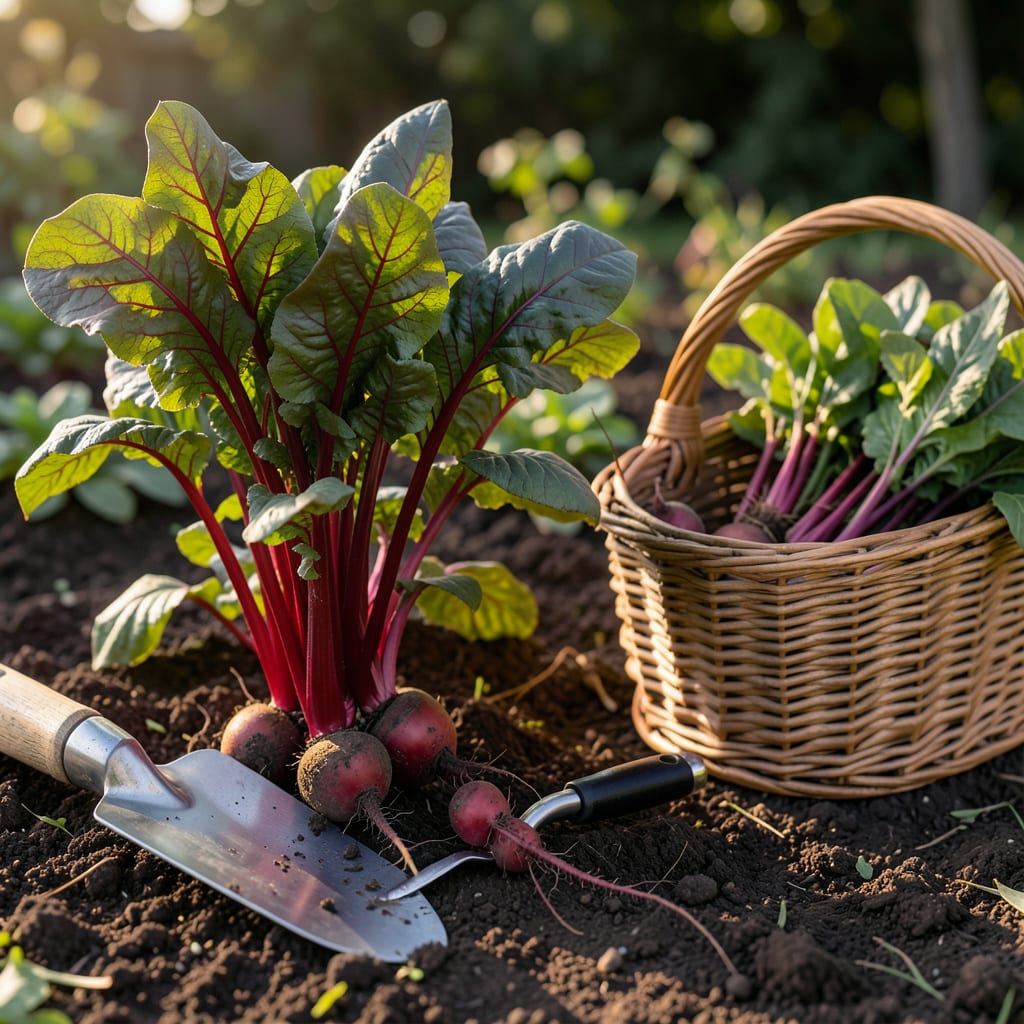
I used to pull my 🟣 Red Beets too early, only to find them tough and bitter. Timing is everything when it comes to these vibrant roots.
Discover the subtle signs that signal your beets are at their peak of sweetness and tenderness. Let me show you how to read your plants like a pro.


I’ve learned that red beets don’t follow a strict calendar for harvest. Instead, they give clear visual signals when they’re at their sweetest and most tender. Watching for these cues ensures you pull them at the perfect time.
The most reliable indicator is the shoulder of the beet—the part where the root meets the soil. When it reaches 1-3 inches in diameter, your beet is likely ready. This size ensures a balance between sweetness and texture.
| Visual Cue | Specs |
|---|---|
| Shoulder Width | 1-3 inches |
| Greens Height | 4-6 inches |
| Root Color | Deep consistent red |
| Root Firmness | Firm to touch |
Another sign is the greens above the soil. When they reach 4-6 inches tall, your beets are often ready. The leaves should look vibrant and healthy, not wilted or yellowing.
Check the color of the root if it’s visible above the soil. A deep, rich red indicates maturity, while pale or light colors suggest the beet needs more time. This color deepens as the beet matures and sugars develop.
Gently brush away soil at the base of the plant to inspect the top of the root. If it feels firm and solid when you press it lightly, it’s ready. Soft or spongy roots are a sign they’re not yet mature.
I’ve found that larger beets (over 3 inches) can become woody and less sweet. For the best flavor, aim for roots in the 1-3 inch range. This size is ideal for both fresh eating and storage.
If you’re unsure, try the “test pull” method. Gently pull one beet from the edge of your row. If it meets the size and color criteria, the rest are likely ready too.
Remember that soil moisture affects harvest timing. Beets grown in consistently moist but well-drained soil tend to mature more evenly. Dry conditions can slow growth and lead to tougher roots.
Finally, temperature plays a role. Cooler temperatures (50-70°F) enhance sweetness, while heat can make beets bitter or fibrous. If a heatwave is forecast, consider harvesting a bit earlier. 🌱
I’ve noticed that red beet varieties have slightly different harvest windows. Detroit Dark Red typically matures in 60 days, while Boltardy may take closer to 70 days. Knowing your variety helps fine-tune your timing.
Environmental factors also play a huge role. Cooler temperatures (50-70°F) slow growth but enhance sweetness, while warmer conditions speed maturity but can reduce flavor quality. Adjust your harvest based on the season’s temperatures.
| Variety | Days to Maturity | Ideal Size |
|---|---|---|
| Detroit Dark Red | 55-65 days | 1.5-3 inches |
| Boltardy | 60-70 days | 2-3 inches |
| Chioggia | 60-65 days | 2-2.5 inches |
Soil moisture impacts growth speed too. Consistent watering (1 inch per week) leads to even maturity, while drought stress can cause tough, cracked roots. I always check soil moisture before deciding to wait or harvest.
In spring plantings, beets often mature faster due to increasing daylight. For fall crops, cooler temperatures may extend the harvest window slightly, but watch for frost warnings.
If you’re growing in raised beds, the soil warms faster, potentially speeding up maturity by 5-7 days. Container-grown beets may need more frequent watering but follow similar size and color cues.
I always mark my planting date on the calendar and start checking for readiness about 10 days before the expected maturity date. This gives me time to catch the perfect harvesting moment. 🌱
I’ve made my share of mistakes with beet harvest timing, and each one taught me valuable lessons. The most common error is harvesting too late, which leads to tough, woody roots that lose their sweetness.
Another pitfall is pulling beets too early. Immature beets often lack the deep color and rich flavor that make them so delicious. Patience truly pays off with these vibrant roots.
The third mistake I see often is ignoring weather impacts. A sudden heatwave can cause beets to become bitter or develop tough spots. I always check the forecast before deciding to wait.
To avoid these issues, I recommend regularly checking your beets as they near maturity. Use the visual cues we discussed earlier to guide your timing rather than relying solely on days since planting.
Remember that storage potential decreases with over-mature beets. For the best keeping quality, harvest at peak readiness and store in cool, humid conditions. This preserves both flavor and texture. 🌱
Harvest when the shoulders (top of the root) reach 1-3 inches in diameter. This size ensures optimal sweetness and tenderness. Larger roots may turn woody.
Ideal greens height is 4-6 inches. They should appear vibrant and healthy, not wilted. Smaller greens often mean the root needs more time to mature.
Yes, over-mature beets become tough and fibrous. For best flavor and texture, harvest within the 50-70 day window. Check regularly as they near maturity.
Cooler temps (50-70°F) enhance sweetness, while heat can make them bitter. Harvest before a heatwave or after a cold snap for peak flavor.
