
Beautiful Plants For Your Interior
Beautiful Plants For Your Interior
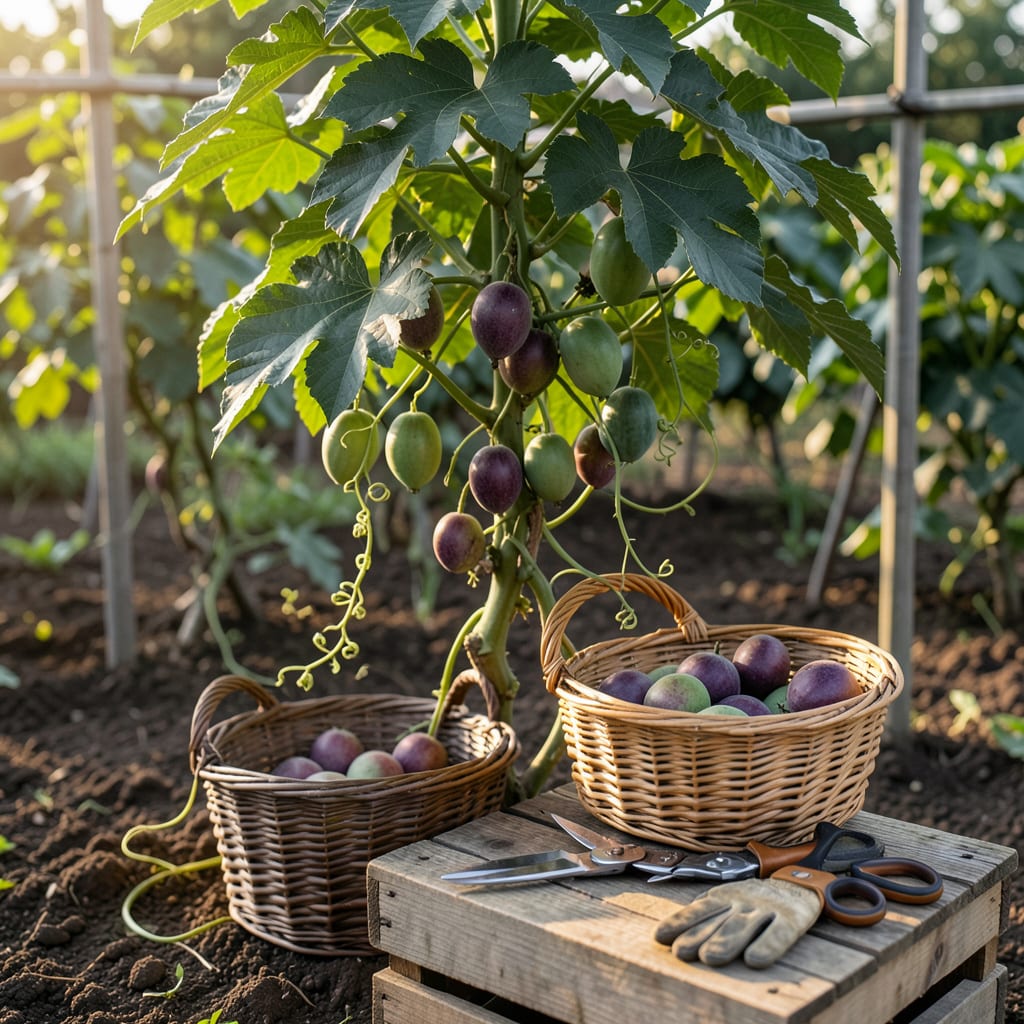
Knowing exactly when to harvest 🧡 Passion Fruit can mean the difference between tart disappointment and sweet, tropical perfection. The timing hinges on subtle visual cues most gardeners overlook.
I’ll show you the key signs to watch for, from color changes to natural fruit drop, so you can pick at the perfect moment every time.


Timing your passion fruit harvest perfectly ensures the best flavor and texture. I look for color changes first—most varieties shift from green to deep purple or golden yellow when ripe.
The skin also begins to wrinkle slightly, which is a telltale sign the fruit is at peak sweetness. Don’t wait too long, though, as overripe fruit can ferment on the vine.
| Sign | Description | Variety |
| Color Change | Deep purple or golden yellow | Purple Granadilla |
| Wrinkled Skin | Slight puckering appears | Banana Passionfruit |
| Fruit Drop | Falls naturally when ripe | All Varieties |
| Stem Drying | Stem turns brown and dry | All Varieties |
Another clear indicator is when the fruit detaches easily from the vine with a gentle tug. If it resists, it’s not ready yet. I always check for a slight softness when pressed lightly.
For Purple Granadilla, the skin turns almost black when fully ripe. Banana Passionfruit, on the other hand, develops a bright yellow hue. These color shifts are your best visual cues.
The wrinkling process starts at the stem and spreads outward. This is nature’s way of saying the fruit’s sugars have fully developed. I’ve found that fruits left to wrinkle slightly on the vine taste sweeter.
If you’re growing in cooler climates, the ripening process may take longer. In this case, I recommend harvesting when the color changes and letting the fruit ripen indoors at room temperature.
Remember that fruit drop is normal for ripe passion fruit. When they fall naturally, they’re usually at peak ripeness. I collect these immediately to prevent bruising or pest damage.
For the best results, I harvest in the early morning when temperatures are cooler. This helps preserve the fruit’s freshness and flavor. Always use clean, sharp pruning shears or twist gently by hand.
If you notice the stem drying out, that’s another reliable sign. A brown, withered stem indicates the fruit has finished drawing nutrients from the vine and is ready to be picked.
I’ve learned that overripe passion fruit develops a fermented smell. If you detect this, it’s past its prime for fresh eating but can still be used for juices or jellies. ☀️
Deciding between hand-picking and letting passion fruit fall naturally depends on your climate. I’ve found that in warmer regions, fruits ripen faster on the vine and often drop when ready.
In cooler areas, the process slows down, so I harvest when the color changes and finish ripening indoors. This prevents damage from unexpected cold snaps or pests.
If the fruit resists detachment, it’s not ready. I wait until it releases easily with a light twist. For Banana Passionfruit, the yellow skin deepens as it ripens, making it easier to spot.
A dry, brown stem is another sign the fruit is ready. This means it’s no longer drawing nutrients from the vine and can be safely picked. I check the stem color regularly as harvest time approaches.
In humid climates, passion fruit may ripen unevenly. I inspect each fruit individually, focusing on color consistency and skin texture. A mix of green and purple means it needs more time.
For the sweetest flavor, I let the fruit wrinkle slightly on the vine. This extra time allows the sugars to concentrate, but I monitor closely to avoid overripening.
I’ve learned that passion fruit ripens faster in direct sunlight. If your vine is in partial shade, expect a longer ripening period and plan accordingly. ☀️
Even experienced gardeners can make harvest timing errors with passion fruit. I’ve seen many pick too early, resulting in tart, underripe fruit that lacks sweetness. The color change is your first clue, but don’t rush it.
Equally damaging is waiting too long. Overripe passion fruit can ferment on the vine, developing an unpleasant smell and mushy texture. I check daily once the color starts to shift.
⚠️ Warning: Harvesting during rainy weather can lead to split fruits or fungal issues. Always pick in dry conditions and store fruits in a cool, ventilated area.
Another common mistake is ignoring the stem. A green stem means the fruit isn’t ready, while a brown, dry stem signals it’s time to harvest. I always inspect the stem before picking.
Improper storage methods can also ruin your harvest. I store passion fruit at room temperature for a few days to ripen further, then move to the fridge for up to a week. Avoid plastic bags, as they trap moisture.
In humid climates, leaving fruit on the vine too long invites pest damage. I harvest as soon as the color changes and wrinkling begins, then ripen indoors if needed.
Finally, don’t harvest in extreme heat. The fruit can become overly soft or develop off flavors. I aim for early morning picks when temperatures are mild for the best results. 🌿
Look for a full color change to deep purple, yellow, or red depending on the variety. The skin will also begin to wrinkle slightly and the stem turns brown and dry.
In warm climates, let it fall for peak ripeness. In cooler areas, pick when color changes and finish ripening indoors to avoid weather damage.
Underripe fruit will be tart and hard. It won’t develop full sweetness or aroma, even if left to ripen off the vine.
Place unripe fruit in a paper bag with a banana or apple at room temperature. The ethylene gas will help it ripen in 2-3 days.
