
Beautiful Plants For Your Interior
Beautiful Plants For Your Interior
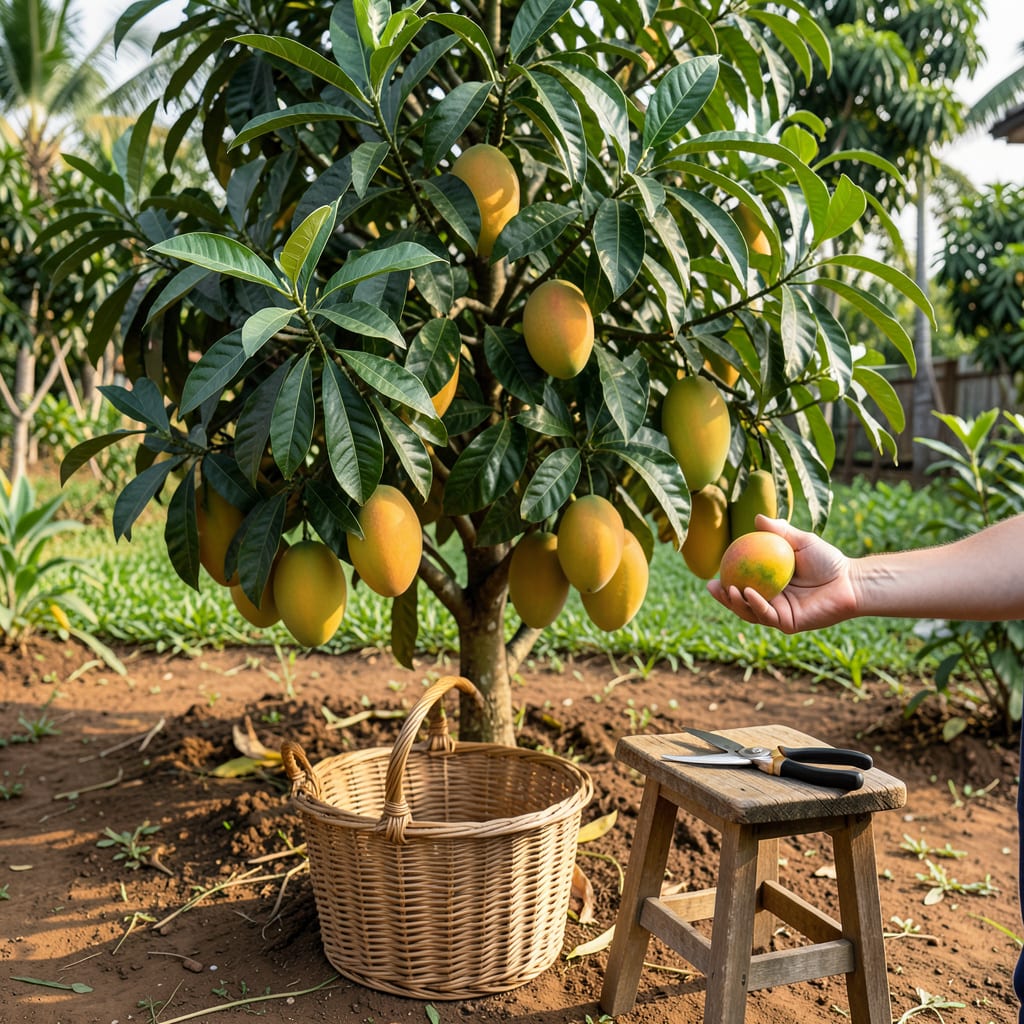
Picking a 🥭 Mango at the wrong time can leave you with either a rock-hard disappointment or a mushy mess. Knowing the exact moment to harvest ensures sweet, juicy perfection every time.
I’ve learned the hard way that timing is everything with these tropical fruits. Let me share the most reliable signs to look for so you’ll never question when your mango is ready again.


I’ve spent years watching my mango trees closely, and I’ve found that color changes are the first clue. Most varieties shift from deep green to shades of yellow, orange, or red as they ripen, but don’t rely on color alone—some stay green even when ripe.
Another telltale sign is the shoulder touch test. Gently press near the stem end—if it gives slightly like a ripe avocado, it’s likely ready. The fruit should also feel heavy for its size and have a sweet, tropical aroma at the stem.
| Variety | Color at Ripeness | Key Sign |
|---|---|---|
| Haden | Red-Yellow | Strong sweet aroma |
| Keitt | Green-Yellow | Yields to gentle pressure |
| Kent | Deep Red-Green | Slight wrinkling near stem |
| Ataulfo | Golden Yellow | Soft butter-like texture |
Size matters too. A mature mango will reach its full expected size for the variety, which can range from 2 inches for dwarf types to 8 inches for larger cultivars like Keitt. Check the stem end for slight wrinkling, a sure sign of ripeness.
The weight test is another reliable method. A ripe mango will feel denser and heavier than it looks. If it feels light for its size, it’s likely not yet ready. Also, the skin may develop tiny black speckles, which are harmless and normal.
Don’t forget the sound test. Tap the fruit lightly—if it sounds hollow, it’s often a sign of overripeness. A solid, dull thud means it’s still firm. I use this trick when I’m unsure about the touch test results.
For first-time growers, I recommend keeping a harvest journal. Note the date of flowering—most mangoes take 90 to 150 days to ripen from bloom. This helps you anticipate the harvest window and avoid guessing.
Pay attention to weather patterns too. A heatwave can speed up ripening, while cool, cloudy days may delay it. I’ve noticed my trees in USDA zones 10-11 often ripen faster in June and July than in May or August.
Finally, observe the tree itself. When most fruits on the tree show ripeness signs, it’s time to start harvesting. Picking a few test fruits first helps confirm the best timing for the rest. This way, you’ll enjoy peak flavor every time. ☀️
I always use the sniff test first—ripe mangoes emit a sweet, fruity aroma near the stem. If there’s no scent, the fruit isn’t ready yet. This is especially true for Haden or Ataulfo varieties, which are fragrant when ripe.
The gentle squeeze test is another favorite. Press the fruit lightly with your palm—it should give slightly like a ripe peach. Avoid using fingertips, as this can bruise the fruit. If it’s rock hard, leave it on the tree a bit longer.
For the float test, fill a bowl with water and place the mango in it. If it floats, it’s ripe; if it sinks, it needs more time. This works best for harvested fruit, not for testing on the tree.
Check the stem end for slight wrinkling or a yellowish tinge. This is a clear sign of ripeness in many varieties. Also, look for tiny black speckles on the skin, which are normal and indicate maturity.
I’ve found that morning harvesting yields the best results. The fruit is cooler and firmer, making it easier to handle without bruising. Use sharp pruners to avoid tearing the skin, and leave a short stem attached.
Remember, overripe mangoes on the tree can attract pests or split open. If you notice birds pecking at the fruit, it’s a sign they’re ready to pick. Trust your senses, and you’ll never harvest a mango too early or too late. 🌿
I’ve made my share of mango harvesting mistakes over the years, and the biggest one is picking too early. A hard, green mango won’t ripen properly off the tree and often stays starchy. Always wait for at least one ripeness sign before harvesting.
Another common error is ignoring weather conditions. A sudden heatwave can rush ripening, while cool, rainy days slow it down. I check my trees daily when temperatures fluctuate to adjust my harvest timing accordingly.
Picking too early: Leads to starchy, unripe fruit
Ignoring weather: Can cause uneven ripening
Improper handling: Bruises fruit, shortens shelf life
Wrong tools: Use sharp pruners to avoid tearing skin
Improper handling is another issue I see often. Never pull mangoes directly from the tree—this can damage the fruit and the branch. Instead, use clean, sharp pruners to snip the stem, leaving a short stub attached to the fruit.
Many growers also overlook variety-specific timing. A Keitt mango may take 150 days to ripen, while an Ataulfo can be ready in 90 days. Know your variety’s maturation period to avoid disappointment.
Finally, don’t harvest all your mangoes at once. Stagger your picking over a few days to ensure you catch each fruit at its peak ripeness. This way, you’ll enjoy a steady supply of perfectly ripe mangoes throughout the season. 🌳
Look for color change near the stem and a sweet aroma. Gently squeeze—it should give slightly like a ripe peach. Also check for tiny black speckles on the skin.
Yes, but only if the fruit has reached its full expected size for the variety. A mature mango feels heavy for its size. Dwarf types may be 2 inches, while Keitt can reach 8 inches.
A heatwave speeds up ripening, while cool, cloudy days delay it. In USDA zones 10-11, fruits often ripen faster in June and July than in May or August.
A hard, green mango won’t ripen properly off the tree. It often stays starchy and lacks sweetness. Always wait for at least one ripeness sign first.
