
Beautiful Plants For Your Interior
Beautiful Plants For Your Interior
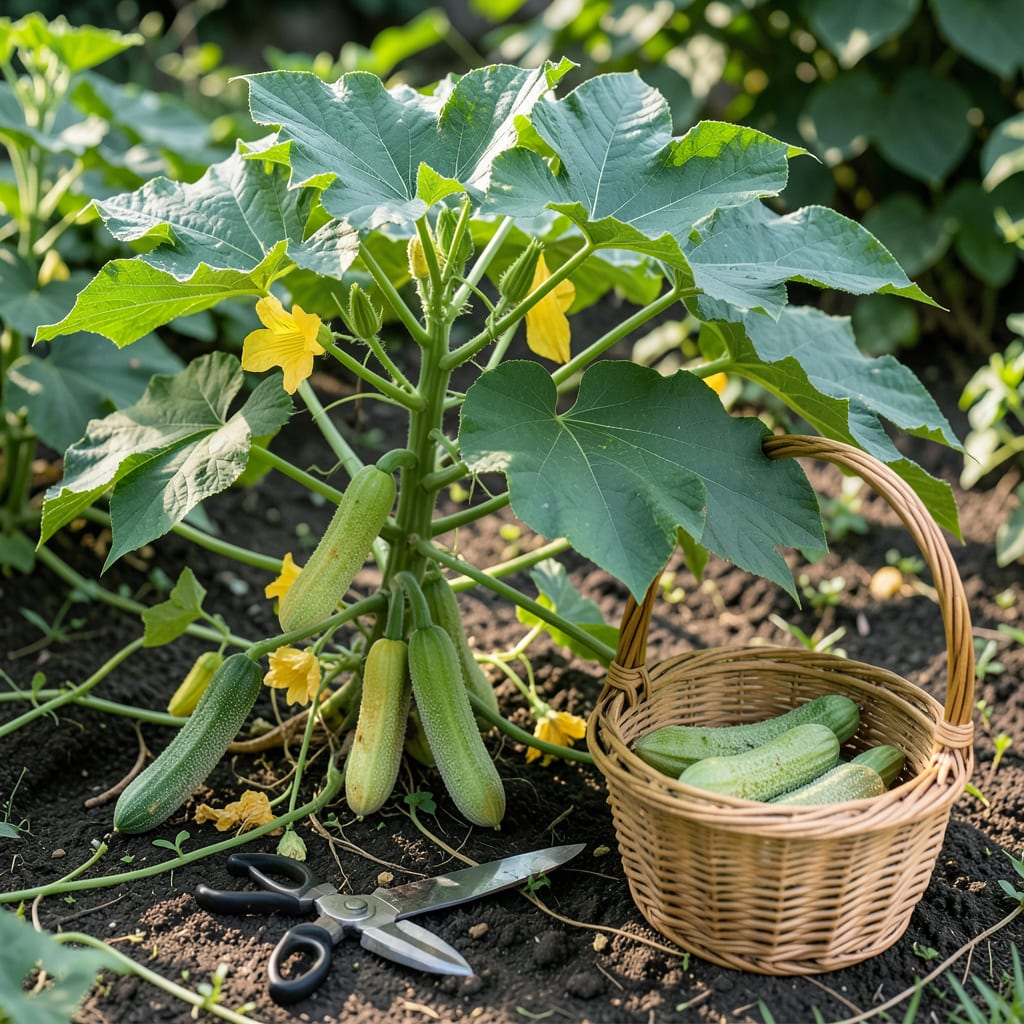
Timing your luffa harvest perfectly can feel like solving a puzzle. The 🥒 Luffa gives clear signals when it’s ready, and missing them means missing out on that perfect natural sponge.
I’ll show you the 2 key signs to watch for – no guesswork needed. With these simple cues, you’ll know exactly when to pick for the best results.


I’ve found that luffa gourds give clear signals when they’re ready to be picked. The most obvious sign is the color change from green to yellow or brown. This transformation happens gradually as the gourd matures on the vine.
Another key indicator is the weight and texture. A ripe luffa feels lightweight and dry to the touch, unlike the firm, heavy gourds that aren’t quite ready. You’ll notice the skin becomes tougher as it reaches maturity.
| Sign | Description |
|---|---|
| Color Change | Turns yellow or brown |
| Weight | Feels lightweight and dry |
| Seed Sound | Seeds rattle when shaken |
| Stem Condition | Begins to wither |
The auditory test is my favorite method for confirming ripeness. When you shake the gourd, mature luffa seeds will rattle inside. This sound means the interior is drying out perfectly, making it ideal for sponge production.
Don’t overlook the stem condition either. As the luffa matures, the stem connecting it to the vine will start to dry out and wither. This is nature’s way of telling you the gourd is no longer drawing nutrients from the plant.
For the best results, I recommend checking your luffa gourds weekly as they approach maturity. The transition from unripe to perfect can happen quickly, especially in warm weather. Keep a garden journal to track these changes.
Remember that regional climate affects harvesting time. In warmer zones, luffa may mature faster, while cooler areas might need extra weeks. The 150-day mark from planting is a good general guideline for most gardeners.
If you’re growing multiple varieties, note that smooth luffa typically matures slightly faster than ridged types. Both varieties follow the same ripeness indicators, so you can use these signs regardless of which you’re growing.
I’ve learned that harvesting too early results in green, sap-filled gourds that won’t dry properly. Conversely, leaving them too long can cause the outer skin to split, exposing the fibers to weather damage and potential mold.
The perfect harvest window is when all these signs align: color change, lightweight feel, rattling seeds, and withering stem. When you see this combination, it’s time to pick your luffa for the best sponge quality.
With practice, you’ll develop an eye for these cues and harvest with confidence every time.
I’ve seen many gardeners make the same harvesting errors with luffa. The most common is picking gourds too early when they’re still green and heavy. These won’t develop the fibrous interior needed for a good sponge.
Another frequent mistake is waiting too long to harvest. Overripe luffa can split open on the vine, exposing the fibers to weather damage and potential mold, which ruins the sponge quality.
⚠️ Avoid These Harvesting Pitfalls
Picking green luffa results in unusable sponges. Always wait for yellow/brown color and rattling seeds before harvesting.
Ignoring weather conditions can also lead to problems. Harvesting during wet weather increases the risk of mold development. I always check the forecast and aim for a dry, sunny day to pick my luffa.
Improper handling is another issue I’ve encountered. Rough treatment can damage the fibers inside the gourd. I recommend using pruning shears to cut the stem cleanly, leaving a few inches attached to the gourd.
Some gardeners forget that luffa varieties may have slightly different maturity times. While the basic signs remain the same, smooth luffa often matures a bit faster than ridged types. Adjust your expectations accordingly.
Lastly, don’t overlook the importance of regular checking. Luffa can go from perfectly ripe to overripe in just a few days, especially in hot weather. I make it a habit to inspect my vines every 2-3 days as harvest time approaches.
By avoiding these common mistakes, you’ll ensure a successful luffa harvest every time.
Once you’ve harvested your luffa at the perfect stage, the processing steps determine its final quality. I always start by peeling the outer skin, which comes off easily when the gourd is fully dry and mature.
After peeling, a thorough cleaning process removes any remaining sap or debris. I use a soft brush under running water to gently scrub the fibrous interior without damaging the delicate network.
🌱 Luffa Processing Steps:
The bleaching step is crucial for creating a clean, bright sponge. I mix 1 part bleach with 9 parts water and soak the peeled luffa for about 10 minutes. This kills any remaining bacteria and lightens the color.
After bleaching, rinsing thoroughly removes all chemical traces. I then squeeze out excess water and let the luffa dry completely in the sun or a well-ventilated area. This drying process can take 1-2 days depending on humidity.
For the best results, I recommend rotating the luffa during drying to ensure even exposure. Once completely dry, your luffa sponge is ready for use and will last for months with proper care. 🌿
Look for a yellow or brown skin and a lightweight, dry feel. Shake it—if the seeds rattle inside, it’s ready. The stem should also start to wither.
Harvesting green luffa results in sponges that won’t dry properly. The fibers stay underdeveloped, and the gourd remains heavy with sap. Always wait for the color change.
Yes, overripe luffa can split open, exposing the fibers to mold and weather damage. This ruins the sponge quality, so check regularly as harvest time nears.
Inspect your luffa every 2-3 days as it nears maturity, especially in warm weather. The transition from unripe to perfect happens quickly, and daily checks prevent missed opportunities.
