
Beautiful Plants For Your Interior
Beautiful Plants For Your Interior
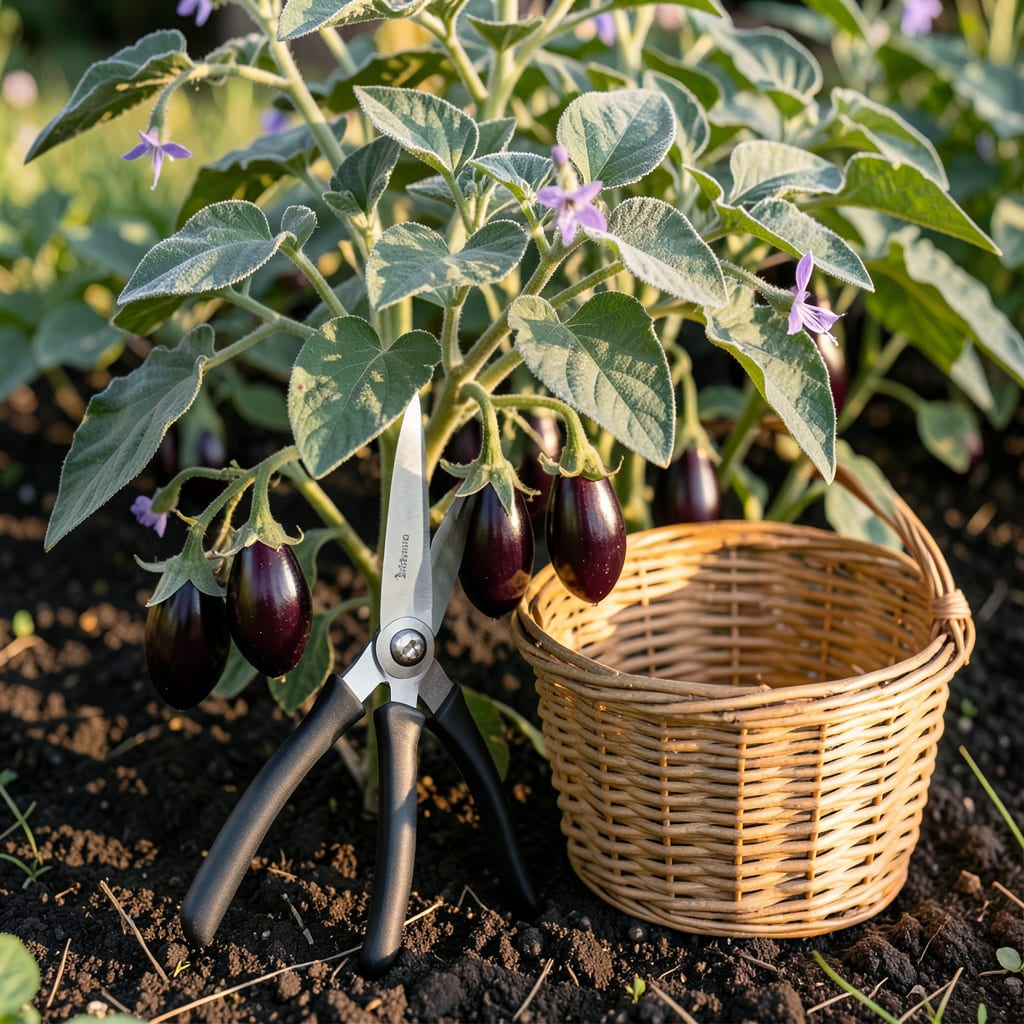
Knowing exactly when to pick your Japanese Eggplant 🍆 can transform your harvest from bitter to deliciously tender. These slender beauties reveal their readiness through subtle, telltale signs.
I’ll show you the key visual cues and timing tricks to ensure you gather them at peak flavor. No more guessing—just perfect eggplants every time.


I always check for glossy, taut skin first—this is the most reliable sign your Japanese eggplant is ready. The sheen indicates peak ripeness and optimal flavor development in these slender varieties.
Next, I gently press the fruit to confirm it’s firm but yielding. A ripe Japanese eggplant should bounce back slightly when touched, never feel soft or spongy.
| Harvest Indicator | What to Look For |
|---|---|
| Skin Appearance | Glossy and smooth |
| Texture | Firm to gentle pressure |
| Size | 6-8 inches long |
| Color | Deep purple or black |
| Stem | Green and fresh-looking |
The ideal size for Japanese eggplant is between 6-8 inches long. Smaller fruits are often underdeveloped, while larger ones may have tough seeds and bitter flesh.
I pay special attention to the color consistency. A ready-to-pick Japanese eggplant has a uniform, deep purple hue without any green patches or dull areas.
Another trick I use is the fingernail test. Gently press your fingernail into the skin—if it leaves a slight indentation that springs back, it’s perfect for harvesting.
Remember that harvesting frequently encourages more production. I check my plants every 2-3 days during peak season to catch eggplants at their prime.
I’ve found that morning harvesting works best. The fruits are firmer after a cool night, making them easier to pick without damaging the plant.
Always use sharp pruners or scissors to avoid tearing the plant. I cut the stem about 1 inch above the fruit to prevent damage to the remaining plant.
After harvesting, I inspect each eggplant for any signs of pests or disease. Early detection helps keep my entire crop healthy and productive. 🌱
I’ve learned the hard way that waiting too long to harvest leads to bitter, seedy eggplants. The fruits become tough and lose their delicate flavor when left on the vine past their prime.
Another common error is harvesting too early. Picking undersized eggplants means missing out on their full, sweet potential. They need that extra time to develop their rich taste.
⚠️ Warning: Using dull tools can crush stems and damage plants. Always use sharp pruners for clean cuts that heal quickly.
I always avoid pulling the fruit directly from the plant. This can tear the stems and harm the plant’s ability to produce more eggplants throughout the season.
It’s also important not to skip post-harvest care. Leaving damaged or overripe eggplants on the plant can attract pests and spread disease to healthy fruits.
I check my plants every 2-3 days during peak harvest season. Japanese eggplants can go from perfect to overripe surprisingly quickly in warm weather.
Finally, I never harvest during the hottest part of the day. The fruits are more delicate then, and the plant is stressed from the heat, making recovery harder. 🌱
I’ve discovered that picking at the right moment dramatically improves both the taste and productivity of my Japanese eggplants. The perfect timing ensures sweet, tender fruit and encourages the plant to keep producing.
Early harvesting often results in smaller, less flavorful eggplants. These underdeveloped fruits haven’t reached their full sugar content or ideal texture, which can be disappointing after all your hard work.
💡 Key Takeaway: Harvesting at 6-8 inches with glossy skin maximizes flavor and encourages continuous production throughout the growing season.
On the other hand, late harvesting leads to bitter, seedy eggplants. The fruits become tough and develop a unpleasant aftertaste that’s hard to disguise, even in the kitchen.
I’ve noticed that regular harvesting stimulates the plant to produce more. By removing ripe fruits promptly, I signal to the plant that it should continue flowering and setting new eggplants.
For the best results, I check my plants daily during peak season. Japanese eggplants can mature quickly, especially in warm weather, so frequent monitoring ensures I never miss the optimal window. ☀️
Hold the fruit under sunlight or a bright light. A ready eggplant will have a shiny, reflective surface like polished stone. If it looks dull or matte, wait another day or two.
Underdeveloped eggplants often taste bitter or bland and lack the creamy texture of mature ones. They’ll also be under 4 inches long with pale color. Patience pays off here!
Yes, but wait until the foliage and fruit are dry to prevent spreading disease. Morning is ideal—plants are hydrated but not waterlogged. Avoid harvesting when wet to protect plant health.
Bitterness often comes from stress or overripeness. Ensure consistent watering and harvest before the skin loses its shine. Older fruits develop tough seeds and a harsh aftertaste.
