
Beautiful Plants For Your Interior
Beautiful Plants For Your Interior
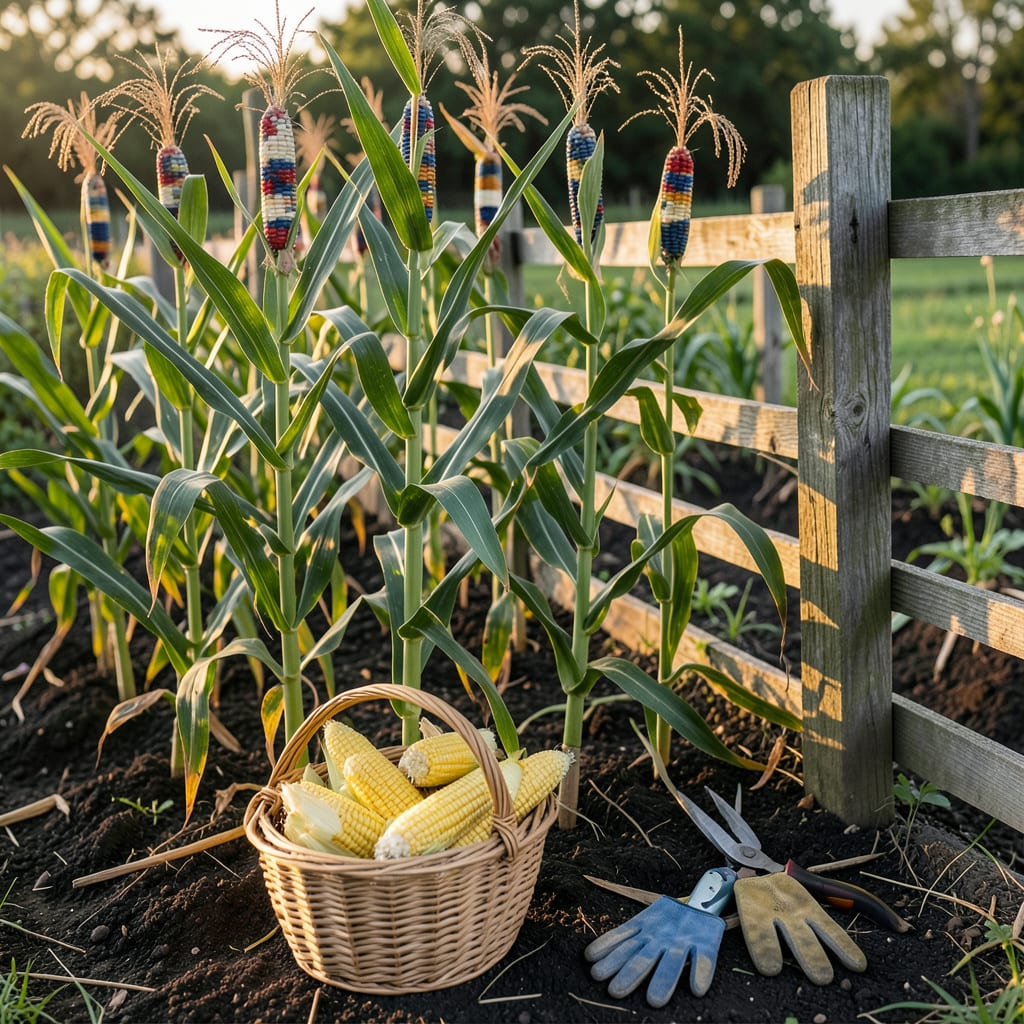
Timing your Indian Corn 🌽 harvest perfectly makes all the difference between a lackluster crop and one that stores beautifully for months. This isn’t about guessing – it’s about knowing the exact signs to look for.
From dry husks to rock-hard kernels, I’ll show you the most reliable indicators that your corn is ready. No more second-guessing when to pick!


Harvesting Indian Corn at the right time is crucial for its longevity and ornamental value. Unlike sweet corn, which is picked fresh, Indian corn needs to fully mature and dry on the stalk for the best results.
I always look for four key indicators that tell me my corn is ready. These signs ensure the kernels are hard and the husks are dry, which is perfect for storage or decoration.
| Sign | Description |
|---|---|
| Dry Husks | Husks turn brown and feel papery |
| Hard Kernels | Kernels are glossy and cannot be dented |
| Firm Ears | Ears feel solid when squeezed |
| Dry Silks | Silks are completely brown and brittle |
The first sign I check is the husk color. When it turns from green to a tan or brown, it means the corn is nearing maturity. This usually happens 100-120 days after planting, depending on the variety.
Next, I examine the kernels by peeling back a small portion of the husk. If they’re hard and glossy, and I can’t make a dent with my fingernail, the corn is ready. Soft kernels mean it needs more time.
The ears themselves should feel firm when I give them a gentle squeeze. If they feel solid rather than squishy, that’s another good sign. I also listen for a mature sound when I shake the ear.
Finally, the silks at the top of the ear should be completely dry and brown. If they’re still moist or green, the corn isn’t ready yet. This is often the last sign to appear.
In my experience, morning harvesting works best. The cooler temperatures help preserve the corn’s quality during the drying process. I use sharp pruners to cut the stalks cleanly.
Remember, Indian corn is different from sweet corn. It’s meant to dry on the stalk, so don’t rush the process. Patience ensures the best results for storage or decorative use.
If you’re in a humid climate, you might need to extend the drying time indoors. I’ve found that hanging the ears in a well-ventilated area works perfectly for this. ☀️
Harvesting Indian Corn correctly ensures it stays beautiful and fresh for months. I’ve found that timing and technique matter just as much as the signs of readiness we discussed earlier.
Since we already know to look for dry husks and hard kernels, the next step is to pick at the right time of day. I always aim for early morning when the air is cool and dry.
I use clean, sharp pruners to avoid damaging the stalks. Cutting too close to the ear can make it harder to hang for drying. I leave about 4-6 inches of stalk for easy handling.
After cutting, I gather the ears into small bundles. Hanging them upside down in a well-ventilated space speeds up drying. A shed, garage, or covered porch works perfectly for this.
For storage, I wait until the ears are completely dry. This can take 2-3 weeks depending on humidity. Once dry, I store them in mesh bags or open baskets to allow airflow.
If you’re in a humid climate, consider using a fan to improve circulation. This prevents mold and ensures even drying. Proper storage keeps your Indian corn vibrant for months. 🌽
Harvesting Indian Corn too early is one of the most common mistakes I see. Picking before the husks dry or kernels harden leads to poor storage quality. Patience is key with this crop.
Another frequent error is improper drying. If you leave the ears in a damp or poorly ventilated area, they can develop mold. Always ensure good airflow during the drying process.
Harvesting too soon – Husks still green, kernels soft
Poor drying conditions – Damp or enclosed spaces cause mold
Incorrect storage – Sealed containers trap moisture
Cutting stalks too short – Makes hanging difficult
I’ve also seen people store their corn in sealed containers too soon. This traps moisture and can ruin your harvest. Always use mesh bags or open containers for storage.
Cutting the stalks too short is another issue. You need at least 4-6 inches of stalk to properly hang the ears for drying. This makes the process much easier and more effective.
Finally, don’t rush the drying process. Indian corn needs 2-3 weeks in a dry, ventilated space. Trying to speed it up with heat can cause the kernels to crack. Slow and steady wins the race here. 🌽
Try pressing a kernel with your fingernail. If it resists and feels glossy, it’s ready. Soft kernels mean the corn needs more time on the stalk.
Harvest in the early morning when humidity is low. This helps preserve quality during drying and prevents moisture issues.
Yes, hang ears in a well-ventilated area like a garage or shed. Use a fan in humid climates to ensure even drying.
It typically takes 2-3 weeks in dry conditions. Avoid heat sources, as they can crack the kernels.
