
Beautiful Plants For Your Interior
Beautiful Plants For Your Interior
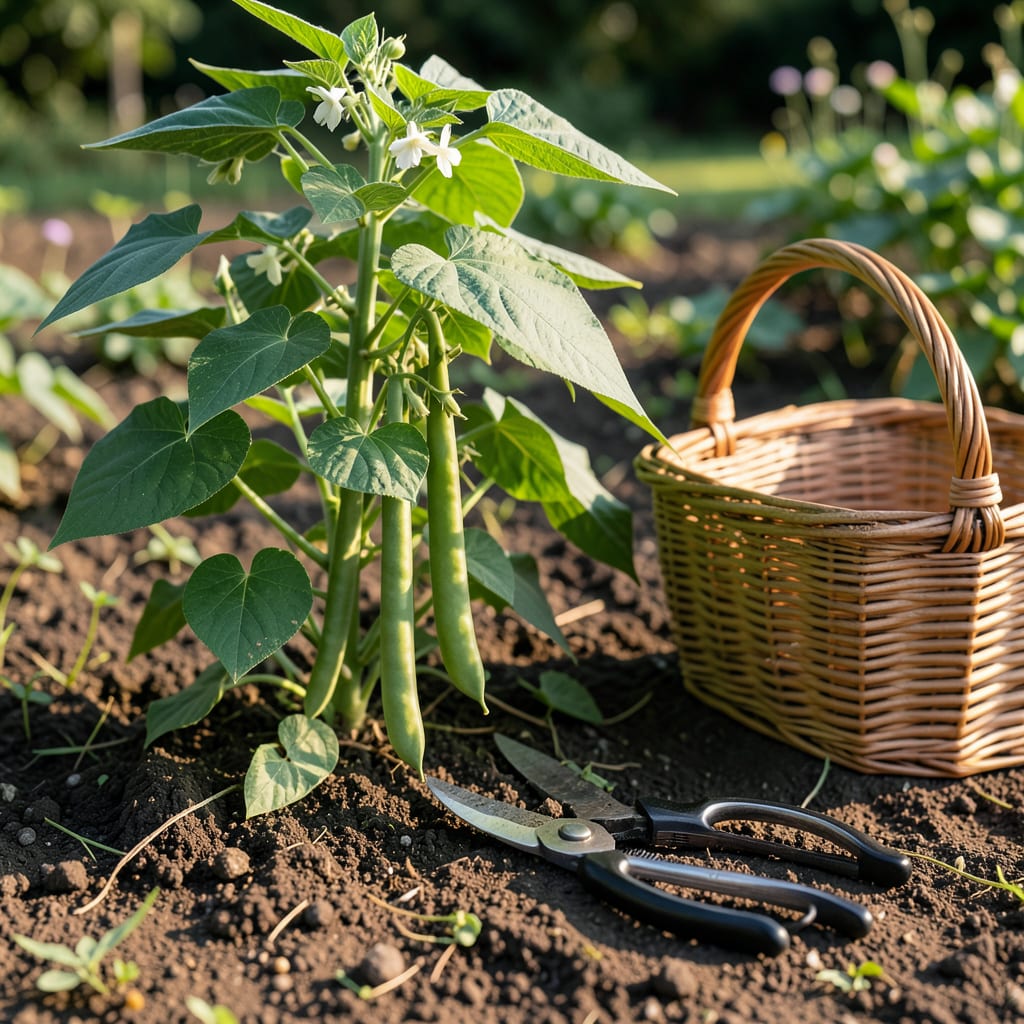
There’s nothing better than plucking a crisp pod straight from the vine. With 🌱 Green Beans, timing is everything for that perfect snap and sweet flavor.
I’ll show you the simple signs to watch for, so you can harvest at peak tenderness. Discover how to get the most from your crop this season.


Timing your green bean harvest perfectly ensures the best flavor and texture. I look for pods that are 4-6 inches long, firm to the touch, and a vibrant green color. These signs tell me the beans are at their peak tenderness.
Both bush beans and pole beans follow similar rules, but pole varieties may produce for a longer period. I always check the pods daily once they start forming to catch them at the right moment.
| Sign | Description |
|---|---|
| Pod Length | 4-6 inches long |
| Firmness | Crisp and firm to touch |
| Color | Bright green and uniform |
| Snap Test | Pods snap easily when bent |
| Seed Visibility | Seeds not visibly bulging |
If the pods feel too thin or floppy, they’re not ready yet. I wait until they plump up and the seeds inside are tiny and underdeveloped. This is when they’ll taste the sweetest.
Another trick I use is the snap test. If a pod bends without snapping, it needs more time. A crisp break means it’s harvest-ready and packed with flavor.
For bush beans, I start checking around 50-60 days after planting. Pole beans may take a bit longer, but both varieties give clear signals when they’re ready.
I also watch for daily changes in the pods. Green beans grow quickly, and missing a day can mean the difference between tender and tough. Consistency is key.
Harvesting at the right time encourages the plant to produce more pods. I’ve found that picking every 2-3 days keeps the production steady throughout the season.
The color uniformity is another clue. If the pods start turning yellow or developing spots, they’re past their prime. I aim to pick them while they’re still glossy and green.
By paying attention to these visual and tactile cues, I ensure my green beans are always at their best. It’s a simple process that rewards me with a bountiful, flavorful harvest every time.
Timing and observation make all the difference in your garden’s success 🌱
Harvesting green beans the right way keeps your plants productive and healthy. I always use clean hands or sharp scissors to avoid tearing the vines. Gentle handling prevents damage that can reduce future yields.
I start by locating mature pods that meet the size and firmness criteria. Holding the vine with one hand, I use the other to pinch or cut the stem just above the pod. This method protects the plant while removing the bean.
For pole beans, I use a small ladder or stool if the vines are tall. This helps me reach the top pods without straining or pulling the vines. I also check the lower parts of the plant, as beans often mature at different rates.
I avoid harvesting when the plants are wet, as this can spread disease. Early morning, after the dew has dried, is my preferred time. Dry conditions make the pods easier to handle and reduce the risk of mold or rot.
If I notice any overripe pods, I remove them immediately, even if I don’t plan to use them. Leaving them on the plant signals it to stop producing, which can shorten your harvest season.
By following these simple steps, I ensure a steady supply of fresh green beans all season long. Consistency and care are the keys to a thriving garden ☀️
Even experienced gardeners can make simple mistakes when harvesting green beans. I’ve learned that waiting too long to pick can result in tough, stringy pods that are past their prime. The window for peak tenderness is short, so timing is crucial.
Another common error is harvesting during wet conditions. Wet plants can spread disease and make pods more prone to spoilage. I always wait for dry mornings to pick my beans, ensuring better quality and plant health.
Avoid picking overripe pods—they signal the plant to stop producing and reduce your overall yield.
Using dull tools or rough handling can damage the vines and reduce future production. I prefer using my hands or sharp scissors to cleanly remove pods without harming the plant.
Some gardeners also neglect to check the entire plant, especially with pole beans. I
Harvesting too infrequently is another mistake. I aim to pick every 2-3 days to keep the plants productive. This regular attention encourages the plant to continue producing fresh pods.
Small adjustments in your approach can lead to a much more successful harvest season 🌿
Most varieties are ready in 50-70 days after planting. Bush beans tend to mature faster, around 50-60 days, while pole beans may take closer to 60-70 days.
Overripe pods become tough, stringy, and less flavorful. The seeds inside will bulge, and the plant may stop producing new beans. Harvest every 2-3 days for best results.
No, wet conditions can spread disease and cause spoilage. Always wait for dry mornings to pick your beans. This keeps both the pods and plants healthy.
Yes! Regular harvesting encourages the plant to produce more pods. Bush beans typically yield 2-3 harvests, while pole beans can produce continuously for weeks.
