
Beautiful Plants For Your Interior
Beautiful Plants For Your Interior
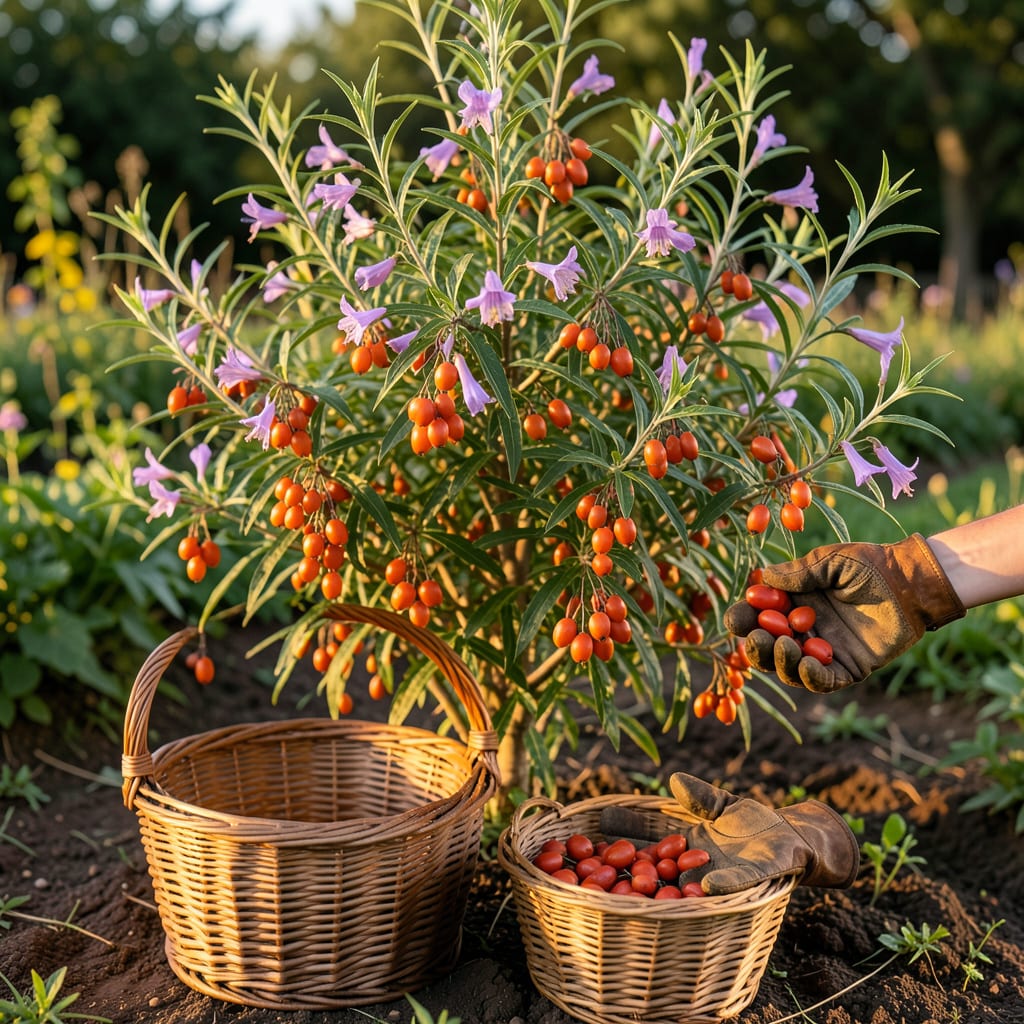
There’s nothing quite like the satisfaction of picking Goji Berry 🍇 at its peak ripeness. Those vibrant red oranges and that perfect plumpness signal it’s time to harvest.
I’ll guide you through the most important signs to look for and when to expect them, so you can enjoy the sweetest, most flavorful berries from your garden.


I always watch for the first color change in my goji berries. They start pale green and gradually deepen to a vibrant red-orange as they ripen. This transformation is your first clue that harvest time is near.
The perfect plumpness follows close behind. A ripe goji berry will feel slightly soft when gently squeezed, unlike the hard unripe fruit that resists pressure. This texture change is just as important as the color shift.
In my experience, the timing varies slightly by region. In USDA zones 5-9, you’ll typically start seeing ripe berries from July through October. Cooler climates may have a shorter window.
I recommend checking your berries daily once they start changing color. The transition from almost ripe to perfect can happen surprisingly fast, sometimes in just 24-48 hours during warm weather.
Another tip I swear by: taste test a few. If they’re sweet with just a hint of tartness, they’re ready. If they’re still sour or bitter, give them more time on the vine.
The morning hours are ideal for harvesting. The berries are firmest then, making them easier to pick without crushing. Plus, the cool temperatures help preserve their freshness longer.
Don’t be alarmed if you see some slightly wrinkled berries. This can actually indicate peak sweetness, especially in very ripe fruit. However, avoid berries that are mushy or leaking juice.
Remember that goji berries ripen at different rates on the same plant. I often find myself harvesting in stages, picking the ripest ones first and returning every 2-3 days for new batches.
Finally, always use clean, sharp tools or your hands to harvest. I prefer gentle hand-picking to avoid damaging the plant or the remaining berries. This method also lets me inspect each berry for ripeness as I go.
✂️I’ve found that gentle hand-picking works best for goji berries. This method lets me check each berry’s ripeness while avoiding damage to the plant or unripe fruit. It’s a bit time-consuming but worth it.
The optimal time of day is early morning. Berries are firmest then and less likely to crush. Plus, the cool temperatures help maintain freshness during and after harvesting.
For larger goji bushes, I sometimes use the shaking method. I spread a clean tarp under the plant and gently shake the branches. Ripe berries will fall off easily, while unripe ones stay attached.
If you’re using tools like scissors, make sure they’re sharp and sanitized. Dull tools can crush berries, and dirty ones can introduce diseases to your plant.
I always harvest in stages because goji berries don’t ripen uniformly. I make multiple passes through my garden every 2-3 days during peak season to catch each berry at its best.
One thing I avoid is harvesting wet berries. Morning dew or rain can make them prone to mold during storage. If the berries are damp, I wait until they dry or gently pat them with a clean cloth.
✂️I’ve learned the hard way that harvesting too early is a common mistake. Those green or pale berries might look tempting, but they’ll be bitter and hard, not the sweet treat you expect.
On the flip side, waiting too long can be just as problematic. Overripe goji berries become mushy and fermented, losing their fresh flavor and texture. I aim for that perfect middle ground of deep color and slight softness.
Avoid picking wet berries to prevent mold. Never pull hard on unripe fruit. Don’t harvest during peak heat as berries may spoil faster.
Another mistake I see often is ignoring weather conditions. Harvesting during or right after rain can lead to moldy berries. I always check the weather forecast and plan my harvest for dry periods.
Using the wrong tools can also cause problems. Dull scissors or shears can crush the berries, while dirty tools might spread disease. I always use clean, sharp tools or my hands for gentle picking.
Finally, improper storage can ruin a good harvest. I’ve found that goji berries keep best when stored in a cool, dry place or refrigerated in a breathable container. Avoid plastic bags which can trap moisture and lead to spoilage.
✂️Look for deep red-orange color with no green and slight softness when gently squeezed. They should also detach easily from the vine without pulling.
Harvest in the early morning when berries are firmest and coolest. This prevents crushing and helps maintain freshness longer during storage.
Avoid picking wet berries. Wait until they’re completely dry to prevent mold during storage. A damp cloth can help if they’re only slightly damp.
Check daily once color change begins. Berries can go from nearly ripe to perfect in just 24-48 hours during warm weather.
