
Beautiful Plants For Your Interior
Beautiful Plants For Your Interior
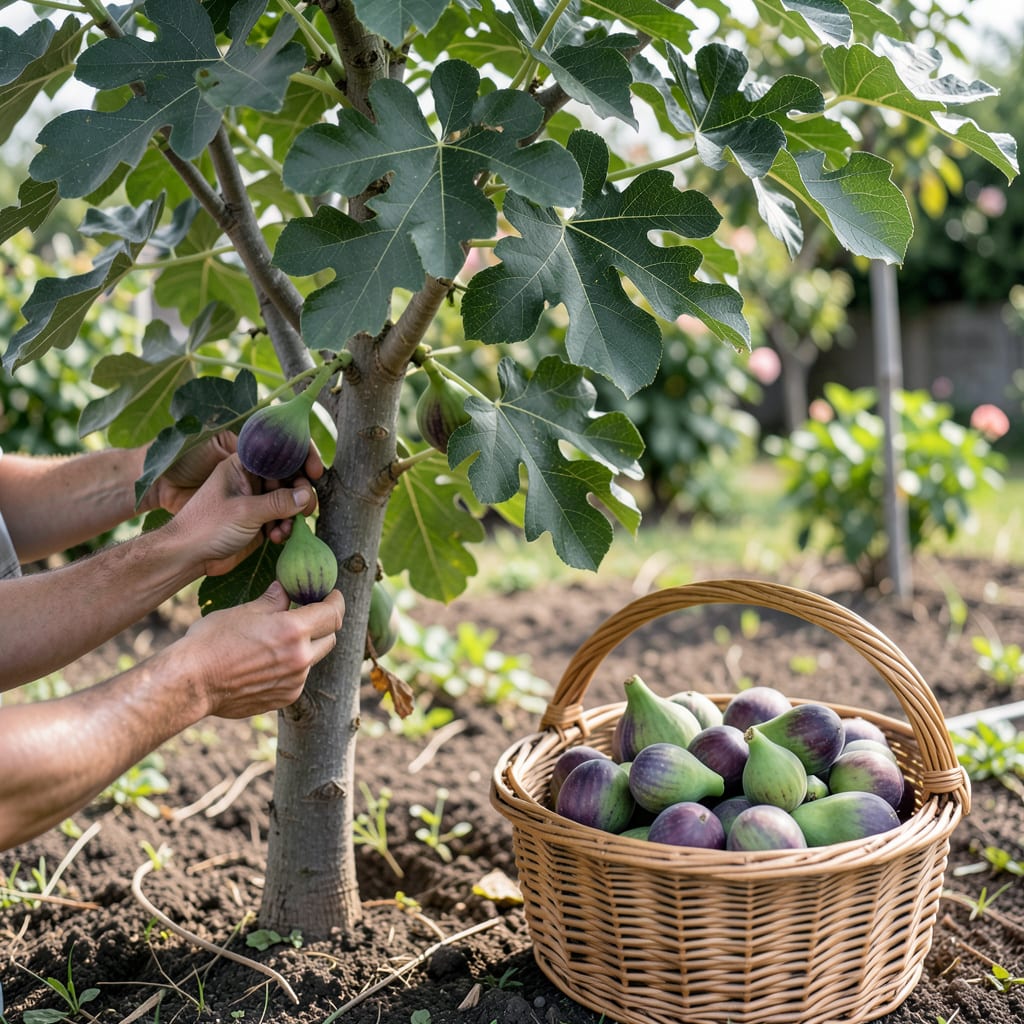
Nothing beats the taste of a perfectly ripe Fig 🍈 picked at its peak. But how do you know when that moment arrives?
I’ve learned the most important signs—like neck bending and softness—that tell you it’s time to harvest. Let me share these game-changer tips so you never pick too early or too late again.


Timing your fig harvest perfectly ensures the sweetest flavor and best texture. I always watch for the neck bending first—when the stem curves downward, it’s nature’s way of saying, “I’m ready!”
Another can’t-miss sign is softness to touch. A ripe fig yields slightly under gentle pressure, much like a ripe avocado. Color changes from green to deep purple, brown, or black, depending on the variety.
| Sign | Description |
|---|---|
| Neck Bending | Stem bends downward when ripe |
| Color Change | Shifts to purple, brown, or black |
| Softness | Gently squeezes with slight give |
| Size | Reaches full mature size for variety |
| Easy Detachment | Twists off easily from the tree |
Don’t ignore small cracks near the stem. These often appear as the fig ripens and indicate peak sweetness. However, avoid harvesting if the cracks are large or oozing, as this may signal overripeness.
For Brown Turkey figs, the skin turns a rich brown when ready. Black Mission figs deepen to an almost black hue. Each variety has its own color timeline, so know your tree’s specifics.
The squeeze test is my go-to. Apply light pressure with your fingers—if the fig gives slightly, it’s time. If it’s rock hard, leave it for a few more days. If it’s mushy, you’ve waited too long.
Another trick is the stem check. A ripe fig’s stem will loosen easily when you twist it. If it resists, the fruit isn’t ready. This method prevents damaging the tree or the fruit.
Seasonal timing matters too. In most regions, late summer to early fall is prime harvest time. However, in warmer climates, you might get a second crop in late fall, called the breba crop.
Weather plays a role as well. A dry spell before harvest concentrates the sugars, making the figs sweeter. But too much rain can cause splitting or diluting the flavor. Keep an eye on the forecast.
Finally, taste-test one if you’re unsure. A perfectly ripe fig will be bursting with sweetness and have a creamy texture. If it’s bland or firm, give the others more time. Patience pays off with figs! 🌳
Picking figs too early is one of the most common mistakes I see. It leads to tough fruit with underdeveloped sweetness. The fig might look ready but often needs more time on the tree.
Waiting too long is just as bad. Overripe figs become mushy and fermented, attracting pests like fruit flies. They also spoil faster once picked, reducing storage life.
⚠️ Warning: Harvesting unripe figs results in bland taste and poor texture. Overripe figs may split or rot quickly.
Another mistake is ignoring the variety. Different fig types have unique ripening signs. For example, Celeste figs stay greenish even when ripe, while Kadota figs turn golden.
Many gardeners also forget the weather. A sudden rainstorm can cause ripe figs to split or crack. If heavy rain is forecasted, harvest your figs a day or two early to prevent damage.
Lastly, don’t pull figs off the tree. Always use a gentle twist or pruning shears to avoid harming the plant or the fruit. Rough handling can bruise the figs and reduce quality.
Remember, the neck bending and softness test are your best guides. When in doubt, check a few figs daily as the season progresses. This way, you’ll catch them at their peak ripeness every time. 🌿
Testing fig ripeness is simple once you know the tricks. I always start with the squeeze test—gently press the fruit with your fingers. A ripe fig gives slightly, like a soft peach.
The stem check is equally reliable. Twist the fig gently—if it detaches easily, it’s ready. If it resists, leave it for another day or two. This prevents damaging the fruit or tree.
For color inspection, compare the fig to its variety’s mature hue. Black Mission turns nearly black, while Brown Turkey develops a rich brown. Celeste figs may stay green but soften noticeably.
The neck bend is my favorite visual cue. When the stem droops, the fig is almost always ready. Combine this with the squeeze test for foolproof results. If both signs are present, it’s time to pick.
Finally, the taste test is the ultimate check. Pick one fig and sample it. If it’s sweet and creamy, harvest the rest. If not, wait a day and test another. Patience ensures perfectly ripe figs every time. 🌳
Most fig trees produce 1-2 crops per year. The first, called the breba crop, appears in early summer. The main crop follows in late summer to early fall.
Early harvesting results in hard, bland fruit with underdeveloped sweetness. The fig won’t ripen properly off the tree, so it’s best to wait for the right signs.
Yes, but act quickly. Heavy rain can cause ripe figs to split or crack. Pick them within 24-48 hours to prevent spoilage.
Overripe figs feel mushy and may ooze near the stem. They often fall off the tree easily and attract pests like fruit flies.
