
Beautiful Plants For Your Interior
Beautiful Plants For Your Interior
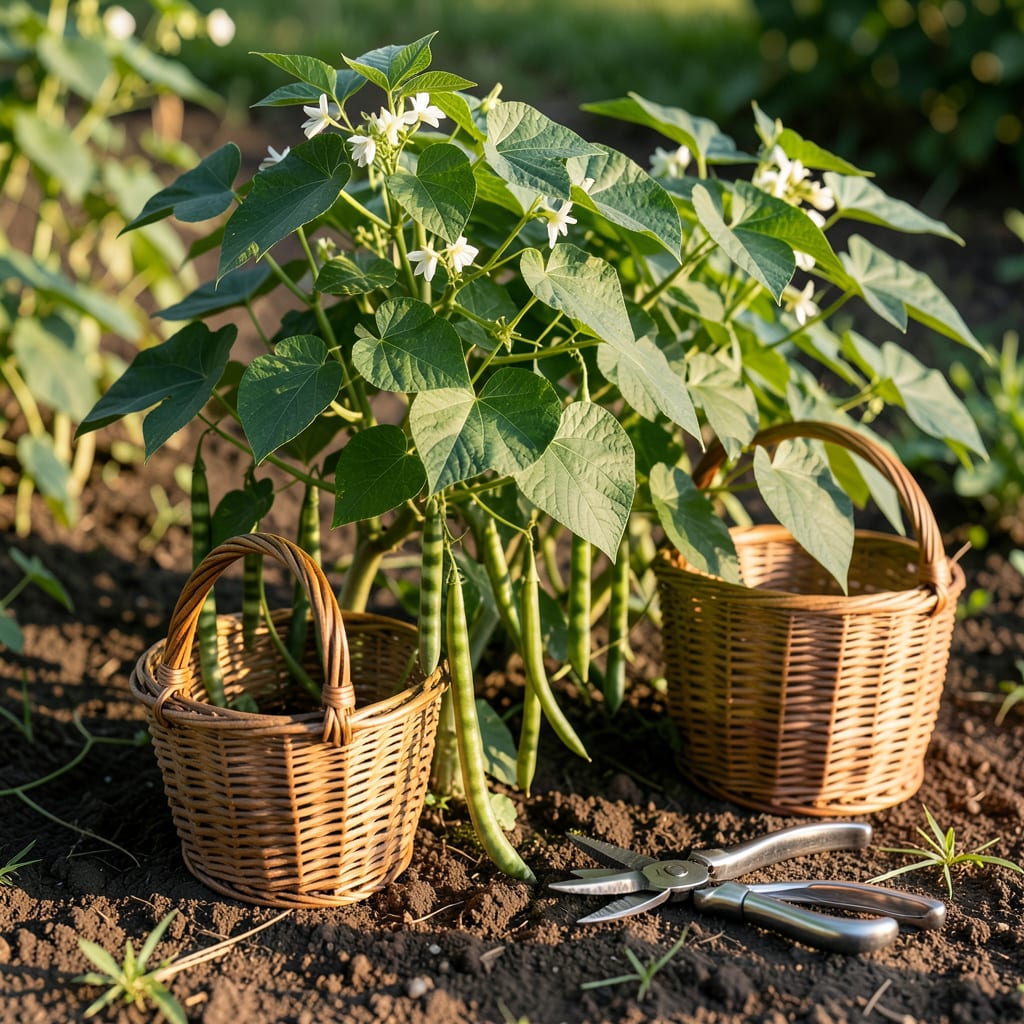
Nothing beats the satisfaction of picking Dragon Tongue Beans 🌱 at just the right moment. The difference between a perfectly tender pod and a tough, overripe one is all in the timing.
I’ll show you the visual cues to watch for and why harvesting during the July to August window ensures the best flavor and texture for your homegrown beans.


Timing is everything when it comes to picking Dragon Tongue Beans. These heirloom beans taste best when harvested at their peak ripeness, which usually occurs between 55 to 70 days after planting.
I always look for specific visual cues to ensure I’m picking them at the perfect moment for the best tender texture and sweet flavor. 🌱
| Visual Sign | Description |
|---|---|
| Pod Size | Reach 4-6 inches in length |
| Color | Bright green with white streaks |
| Texture | Firm and crisp, snaps easily |
| Seed Visibility | Small and flat, not bulging |
| Streak Pattern | Distinct white streaks on green pods |
The pod size is the first indicator I check. If they’re under 4 inches, they’re likely too small and won’t have developed their full flavor. On the flip side, pods over 6 inches may be starting to toughen up. ✂️
Color is another critical factor. Dragon Tongue Beans should display a vibrant green base with clear white streaks. If the streaks start to turn yellow, the beans are past their prime.
Texture can’t be ignored. A ready pod will feel firm and smooth. When I gently bend one, it should snap cleanly with a crisp sound. If it bends without breaking, it’s not ready yet.
Inside the pod, the seeds should be tiny and underdeveloped. If the seeds are plump and visible through the pod, the beans are overripe. This affects both texture and flavor, making them starchy rather than sweet.
The streak pattern is unique to this variety. The white streaks should be bold and well-defined against the green background. Faded streaks often mean the beans are aging and losing their tender quality.
I make it a habit to check my plants every 2-3 days during the peak harvest window. Dragon Tongue Beans can go from perfect to overripe quickly, especially in hot weather. ☀️
If you notice pods turning yellow or feeling spongy, it’s a sign they’ve stayed on the vine too long. These beans are best removed to encourage the plant to produce more fresh pods.
Consistency in checking these visual signs ensures I harvest at the ideal time. It’s rewarding to see a basket full of perfectly ripe Dragon Tongue Beans, ready to be enjoyed at their best. 🌿
Harvesting Dragon Tongue Beans at the right time ensures continuous production. I’ve found that picking them every 2-3 days during peak season keeps the plants productive and healthy.
The best time of day to harvest is in the early morning. The pods are crispest then, and the plants are less stressed from heat. ☀️
✅ Best Harvesting Practices
Using sharp scissors or pruning shears helps prevent damage to the plant. I avoid pulling the pods directly, as this can harm the vines and reduce future yields.
Harvesting frequently encourages the plant to produce more beans. If I leave mature pods on the vine, the plant may stop producing new ones, thinking its job is done.
I also
After harvesting, I store the beans in a cool, dry place and use them within a few days for the best flavor. This keeps them fresh and ready for my next gardening adventure.
Even experienced gardeners can make harvesting mistakes that reduce both yield and flavor quality. I’ve learned the hard way that timing and technique matter just as much as planting. 🌱
One of the biggest errors is leaving overripe pods on the vine. Once beans pass their 4-6 inch prime, they become tough and starchy, and the plant may stop producing new pods.
⚠️ Harvesting Pitfalls to Avoid
Waiting too long causes tough pods and reduced production. Always harvest at the first sign of readiness to keep plants productive.
Another common mistake is pulling pods instead of using scissors or pruners. This can damage the vine and stems, leading to fewer future harvests and potential disease entry points. ✂️
Ignoring the harvest frequency also impacts yield. I check my plants every 2-3 days during peak season. Skipping checks means missing the optimal window for tenderness and flavor.
Finally, harvesting during the hottest part of the day can stress the plants. I always aim for early morning when pods are crisp and plants are less heat-stressed. ☀️
Check your plants every 2-3 days during peak season. These beans mature quickly, especially in hot weather, and frequent checks ensure you catch them at their prime.
Overripe pods become tough and starchy. The plant may also stop producing new beans if mature pods remain on the vine, reducing your overall yield.
Early morning is ideal. The pods are crispest then, and the plants are less stressed from heat. This timing helps maintain both flavor and texture.
It’s best to use sharp scissors or pruners. Pulling pods can damage the vines and reduce future production, so always cut carefully to protect the plant.
