
Beautiful Plants For Your Interior
Beautiful Plants For Your Interior
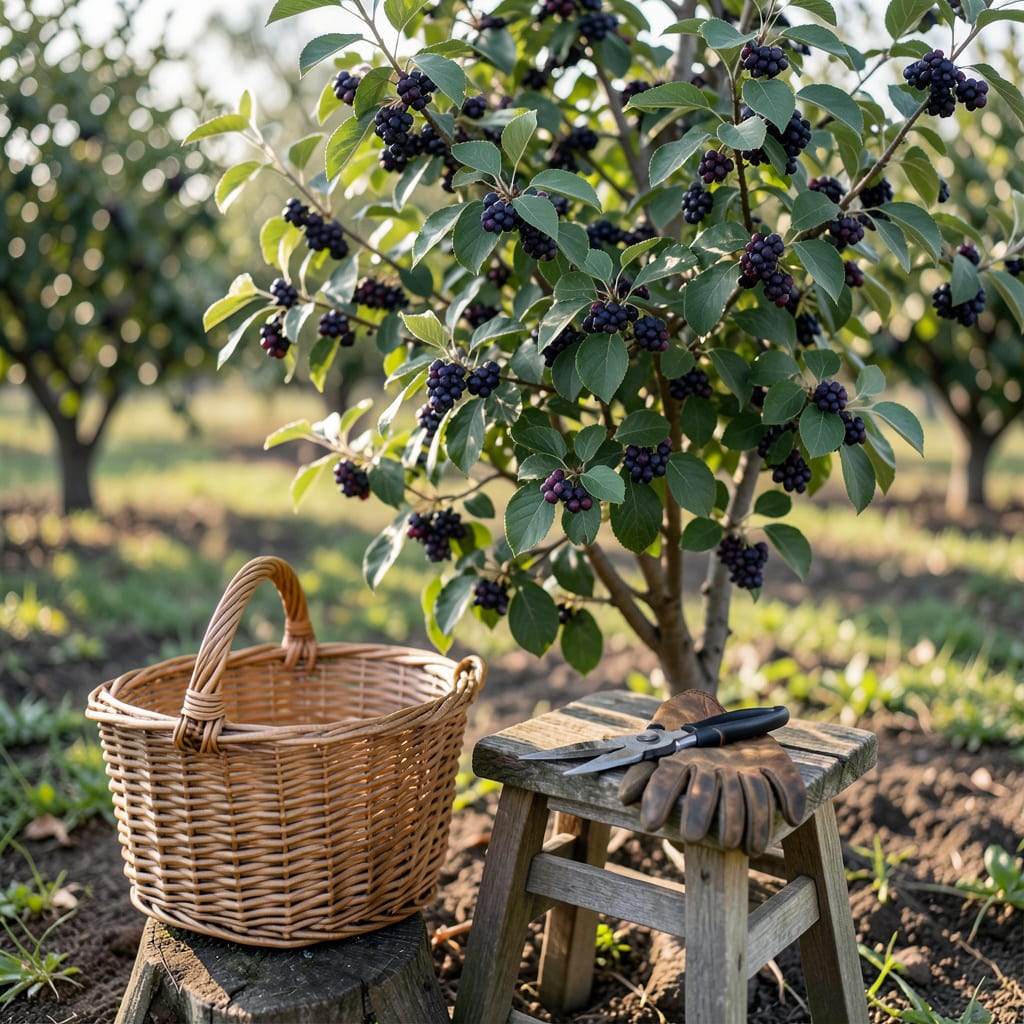
I remember the first time I picked chokecherries too early—bitter doesn’t begin to describe it. The 🍒 Chokecherry’s perfect harvest window makes all the difference between astringent and deliciously sweet.
From July to September, watch for deep purple-black clusters that detach easily. I’ll show you the exact signs to look for so your harvest is always spot-on.


I’ve learned that chokecherries won’t reach their full potential unless you harvest them at the perfect moment. The window is narrow, but the signs are unmistakable once you know what to look for.
From mid-summer to early fall, your chokecherry clusters will transition from green to red, then finally to a deep purple-black. That’s your first clue that harvest time is near.
| Sign | Description |
|---|---|
| Color | Deep purple to black |
| Texture | Slightly soft to touch |
| Cluster | Fully colored, no green |
| Stem | Easily detaches |
The color transformation is the most obvious indicator. When the berries shift from red to dark purple, they’re getting close, but wait until they’re nearly black for the best flavor.
Next, check the texture. A ripe chokecherry will yield slightly when you gently squeeze it. If it’s still hard, it needs more time on the tree.
Look at the entire cluster. Every berry should be uniformly dark. If you spot any green or red berries, the cluster isn’t ready yet.
The stem test is my favorite. Give a berry a light tug—if it comes off easily, it’s ready. If it resists, leave it for another few days.
Size matters too. Mature chokecherries are typically 1/3 to 1/2 inch in diameter. Smaller berries may still be developing.
I always harvest in the cool morning hours to preserve freshness. The berries are firmer then, which makes them easier to handle without bruising.
If you’re unsure, taste one! A ripe chokecherry will be sweet with just a hint of tartness. An unripe one will be painfully astringent.
Remember, chokecherries ripen at different times depending on your climate and location. In USDA zones 3-7, you’ll typically harvest from July through September. 🌿
I always use the gentle hand-picking method for chokecherries to avoid damaging the fruit or the tree. This approach gives me the most control over quality and ripeness selection.
For larger trees, I’ve found that shaking branches over a tarp works well, but it requires careful timing to prevent overripe berries from bursting. The key is to harvest in stages as clusters ripen.
The hand-picking method lets me inspect each cluster for full ripeness. I look for that uniform deep purple-black color and test a few berries from different parts of the tree.
When using the shake-and-catch method, I spread a clean tarp beneath the branches. A gentle shake dislodges ripe berries while leaving unripe ones on the tree. This works best for larger harvests when time is limited.
I always wear thick gardening gloves because chokecherry branches have sharp thorns. Safety first—those thorns can be painfully sharp and might ruin your harvesting experience.
For storage, I use shallow containers to prevent crushing. Chokecherries bruise easily, so I never pack them too tightly. A cool, dark place keeps them fresh for a few days before processing. ☀️
I’ve made the mistake of harvesting chokecherries too early and paid the price with mouth-puckering bitterness. Timing truly affects both flavor and usability of your harvest.
Picking unripe chokecherries results in hard, astringent berries that are nearly inedible. Even sugar can’t salvage their bitter taste in preserves or syrups.
Harvesting too late brings its own problems. Overripe chokecherries become mushy and fermented, which can ruin your entire batch if you’re making jams or jellies.
I’ve found that overripe berries also attract more birds and pests, reducing your yield. The fruit may even start fermenting on the tree if left too long.
If you do pick unripe berries by accident, try mixing them with fully ripe ones in preserves. The sugar and ripe fruit can help balance the bitterness.
For overripe berries, process them immediately to prevent further deterioration. They’re still usable but require quick action to avoid waste. 🌿
Look for deep purple-black color and 1/3 to 1/2 inch size. They should detach easily with a gentle tug and feel slightly soft.
Unripe berries will be hard, bitter, and astringent. Even sugar won’t fix the harsh taste in jams or syrups.
Check clusters daily during peak season (July-September). Pick only the ripe ones to avoid waste.
They were likely left on the tree too long. Overripe berries become mushy and start fermenting, especially in warm weather.
